EU rejects COP31 climate deal over fossil fuels; Russia fires back at Western green trade measures
Source Entity
Latest News: Todays Latest News Headlines from India & World | Hindustan Times
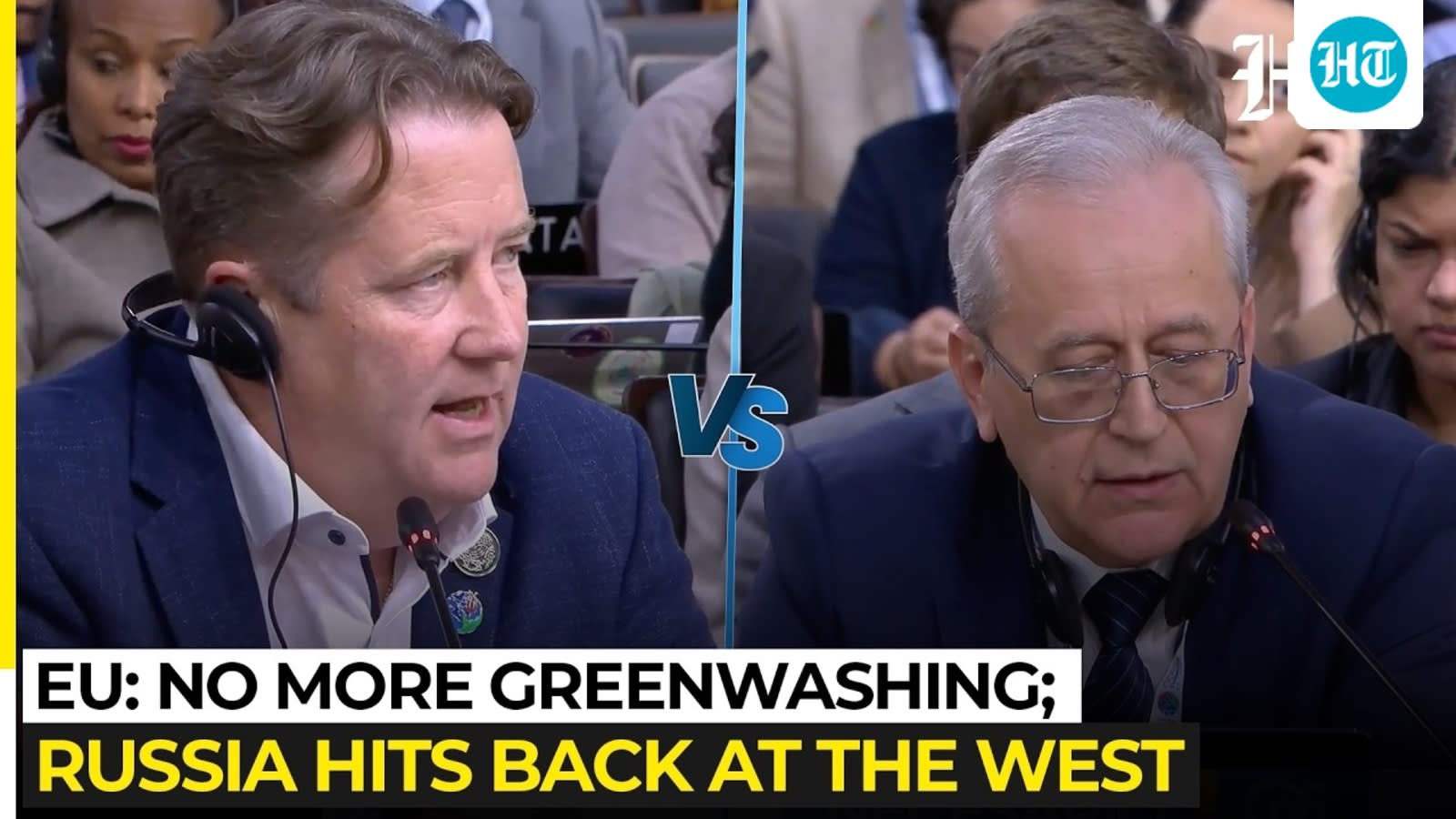
COP31 negotiations in Antalya have stalled due to deep disagreements over fossil fuel phase-out timelines and climate financing. While the EU and island nations demand aggressive action, oil-producing states and Russia argue that Western policies unfairly impact global trade.
The Antalya Impasse: Climate Ambition Meets Geopolitical Reality
The COP31 climate summit in Antalya has reached a critical stalemate, exposing the deepening chasm between nations advocating for an immediate fossil fuel phase-out and those prioritizing economic protectionism. Jointly hosted by Türkiye and Australia—both significant consumers of fossil fuels—the summit failed to produce a unified agreement despite the circulation of three separate drafts. This failure highlights the persistent friction that has long plagued global climate diplomacy: the balance between urgent environmental necessity and the economic realities of energy-dependent nations.
The Core Conflict: Fossil Fuels and Finance
At the heart of the dispute is the lack of consensus on the specific timeframe for phasing out fossil energy. The European Union, bolstered by a coalition of island nations and the United Kingdom, has adopted a firm stance, refusing to accept ambiguous language regarding the transition. Conversely, a bloc of oil-producing countries led by Saudi Arabia has resisted setting concrete deadlines. This deadlock is compounded by the perennial, unresolved issue of climate finance—specifically, how to provide developing and emerging economies with the capital required to transition without sacrificing their growth trajectories.
Geopolitical Tensions and Trade Measures
Beyond the environmental debate, COP31 has become a theater for broader geopolitical rivalries. Russia has emerged as a vocal critic, accusing Western nations of weaponizing climate policy through green trade measures. Moscow argues that these policies are designed to restrict trade and disadvantage economies that rely on traditional energy sectors. This friction is further exacerbated by peripheral diplomatic disputes involving Belarus, which have bled into the climate negotiations, casting doubt on the summit's ability to achieve a consensus-driven outcome.
The Resilience of the Renewable Transition
Despite the diplomatic gridlock in Antalya, the global energy landscape is undergoing a structural shift independent of formal climate treaties. Recent data indicates that renewable energy accounted for nearly 34% of the global energy mix in 2025. This suggests that while diplomatic failure at COP31 is a significant setback for international coordination, it may not derail the broader economic transition toward green energy. Market forces, rather than treaty mandates, are increasingly driving the adoption of sustainable technologies.
Future Implications and Outlook
The inability of COP31 to deliver a unified agreement signals a transition in climate politics, where national self-interest often overrides collective ambition. As the world moves toward 2030, the discord at Antalya suggests that future climate progress will likely be defined by regional coalitions and market-driven shifts rather than comprehensive global pacts. The summit serves as a stark reminder that as long as the economic costs of the energy transition remain unevenly distributed, achieving a truly global consensus will remain an elusive goal.
Verification Required?