Why is COP31 perceived to be a failure? | Explained
Source Entity
India Latest News: Top National Headlines Today & Breaking News | The Hindu
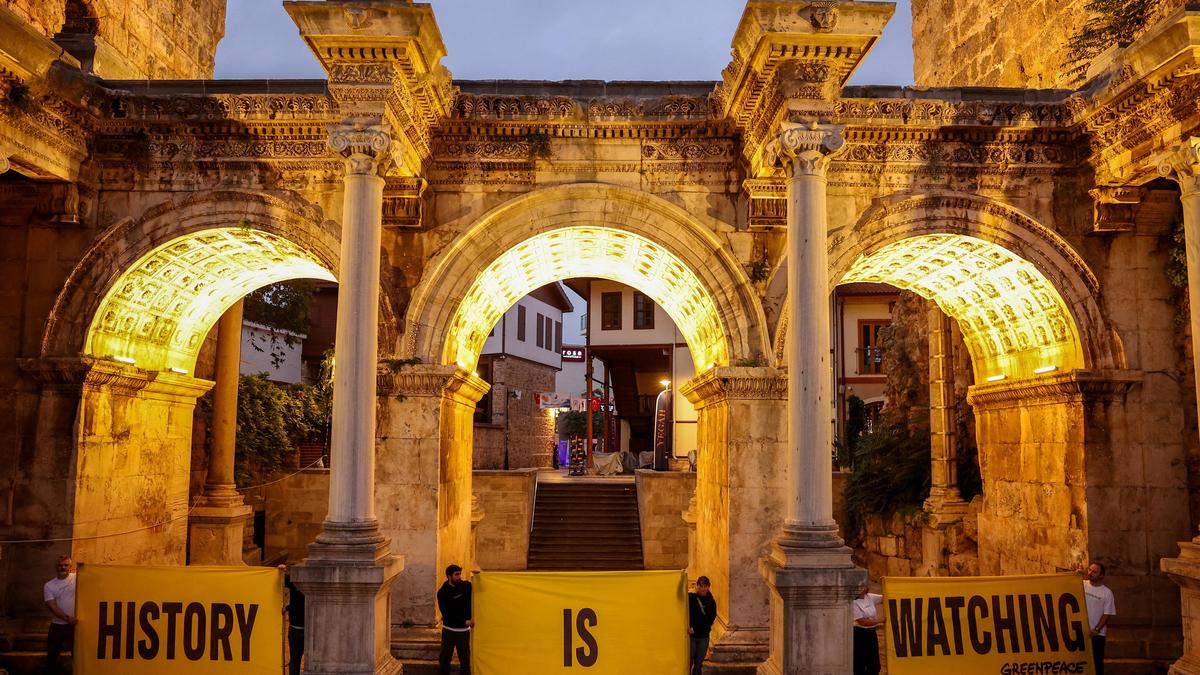
COP31 in Antalya concluded without a consensus on the 'Antalya Pact' due to deep divisions over fossil fuel phase-outs. The conference faced significant criticism for being underfunded, particularly regarding the Adaptation Fund's transition to the Paris Agreement framework.
The Collapse of the Antalya Pact: Analyzing the COP31 Deadlock
The 31st UN climate conference (COP31) in Antalya, Turkiye, has concluded under a cloud of diplomatic frustration. After extending the negotiations by a record-breaking 48 hours beyond the scheduled November 20, 2026, deadline, delegates failed to secure a consensus on the 'Antalya Pact.' This 'cover text'—the primary political instrument meant to define the summit's legacy—remained unsigned, highlighting the profound geopolitical fissures currently hindering global climate action.
The Role of the 'Cover Text' and Diplomatic Standoff
At the heart of the failure was the 'cover text' proposed by COP31 President Murat Kurum. In the architecture of UN climate negotiations, the cover text serves as the overarching political roadmap, signaling the collective intent of the international community. Because UN climate summits operate on the principle of consensus among more than 190 delegations, the inability to find common ground on the language regarding fossil fuel phase-outs effectively paralyzed the entire summit. This lack of a unanimous agreement underscores the difficulty of reconciling the diverse economic interests of fossil fuel-reliant nations with the urgent demands of climate-vulnerable states.
Financial Hurdles: The Adaptation Fund Crisis
Beyond the political deadlock, the conference revealed stark systemic issues regarding climate financing. While parties did manage to agree on arrangements for the Adaptation Fund to transition to serving the Paris Agreement exclusively—contingent upon revenue from the Article 6.4 carbon-market mechanism—the reality remains grim. The fund is currently critically underfunded. This reliance on future, uncertain revenue streams from carbon markets suggests that the financial safety net for developing nations remains fragile and insufficient to meet the escalating costs of climate adaptation.
Structural Limitations of the Paris Agreement
The standoff at COP31 exposes the inherent limitations of the current UN framework. The Article 6.4 mechanism, intended to create a robust international carbon market, was meant to be a cornerstone of the Paris Agreement's success. However, the slow progress in operationalizing this mechanism, coupled with the reliance on its proceeds to fund adaptation, creates a 'wait-and-see' approach that the planet cannot afford. The failure to finalize these details in Antalya reflects a broader reluctance among major emitters to commit to binding, aggressive phase-out timelines.
Implications for Future Climate Diplomacy
Looking ahead, the failure to adopt the Antalya Pact sets a challenging precedent for upcoming climate summits. The record-breaking 48-hour extension confirms that the diplomatic machinery of COP is straining under the weight of conflicting national agendas. As the world moves toward future COPs, the pressure to reform the consensus model or find alternative avenues for climate finance will only increase. Without a shift in how fossil fuel phase-outs are negotiated and how adaptation funds are capitalized, the international community risks entering a period of climate stagnation where political posturing replaces tangible progress.
Verification Required?