US too focused on Middle East and not pushing Russia hard enough, Zelensky tells BBC
Source Entity
BBC News
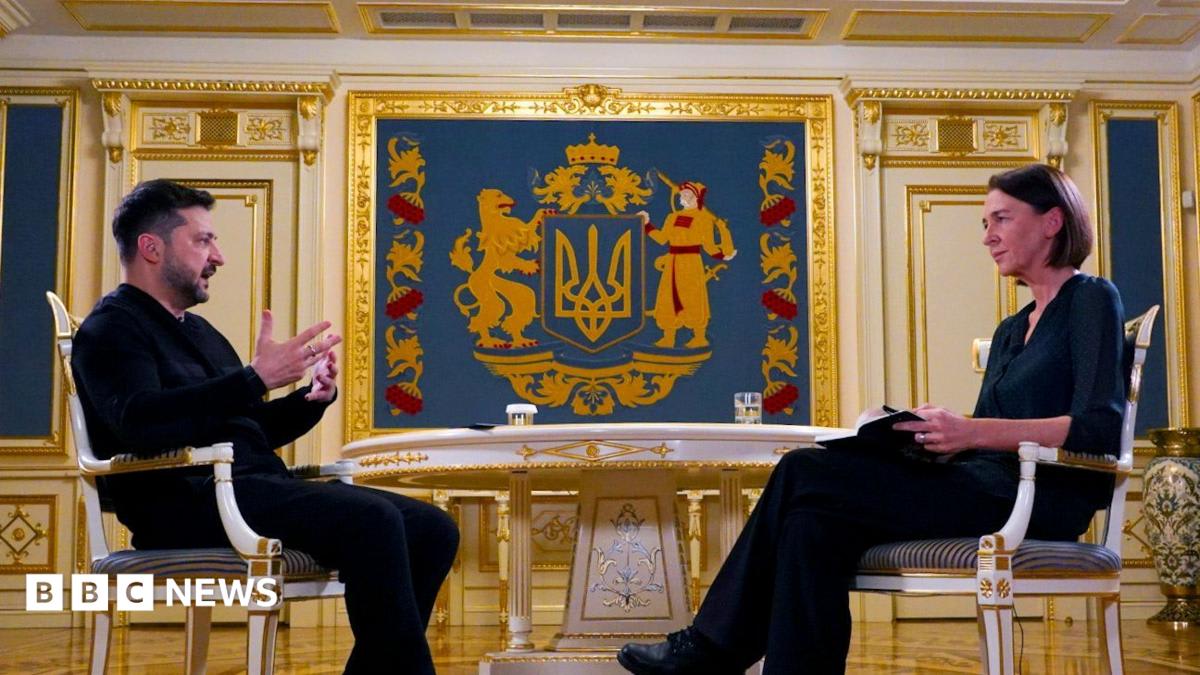
Ukrainian President Volodymyr Zelensky has criticized US President Donald Trump’s public description of Vladimir Putin as a friend. Zelensky expressed deep frustration over perceived US inaction in the conflict and the potential implications of this diplomatic shift.
The Growing Diplomatic Chasm Between Kyiv and Washington
Recent statements from Ukrainian President Volodymyr Zelensky have brought the underlying tensions between his administration and the current United States leadership into sharp focus. In a candid interview with the BBC, Zelensky expressed profound concern regarding the evolving rapport between US President Donald Trump and Russian President Vladimir Putin. At the heart of this friction is a public display of camaraderie from the US side, specifically a social media post on Truth Social where President Trump depicted himself embracing the Russian leader and labeling him a "friend."
The Rhetorical Collision: Defining the Aggressor
President Zelensky’s reaction to this diplomatic posturing was immediate and stern. By characterizing Putin as an "aggressor" and a "killer," Zelensky is attempting to reframe the narrative back to the realities of the ongoing conflict in Ukraine. He drew a stark historical comparison, suggesting that treating Putin as a friend while he oversees the destruction of Ukrainian territory is akin to befriending Adolf Hitler during the Second World War. This rhetorical strategy is designed to challenge the moral legitimacy of the current US approach to the Kremlin.
Strategic Frustrations and Military Delays
Beyond the symbolic tension, Zelensky’s commentary highlights tangible strategic anxieties. The Ukrainian president explicitly voiced frustration regarding the pace of US support, specifically citing delays in the delivery of vital anti-ballistic missile systems. He argues that these logistical bottlenecks are directly contributing to the loss of Ukrainian lives. Furthermore, he noted that the US appears to be losing focus on the Ukrainian theater, distracted by developments in the Middle East and failing to exert sufficient pressure on Russia during peace negotiations.
The Shift in US-Ukraine Relations
This public airing of grievances marks a significant evolution in the bilateral relationship since the 2025 Oval Office meeting between the two leaders. Zelensky’s tone, once characterized by careful diplomatic maneuvering, has shifted toward a more urgent and confrontational stance. The disconnect between Trump’s desire to cultivate a personal rapport with Putin—which the US President claims is a necessary step to ending the war—and Zelensky’s view of Putin as an irredeemable adversary, creates a complex geopolitical standoff.
Broader Implications for Global Security
The implications of this "strange" friendship, as Zelensky termed it, extend far beyond the two individuals involved. If the United States pivots toward a policy of personal diplomacy with the Kremlin, it risks undermining the coalition of Western allies who have maintained sanctions and military support for Ukraine. Should the US continue to prioritize this personalized approach over the structural containment of Russian expansionism, the stability of European security architectures could face unprecedented strain.
Looking Ahead: A Testing Ground for Alliances
As the conflict continues, the divergence in perspective between Kyiv and Washington will likely serve as a primary indicator of future international policy trends. If President Trump’s belief that he can leverage a personal friendship with Putin to bring about an end to the war fails to materialize, or if the delay in military aid leads to further territorial losses for Ukraine, the political fallout could be severe. The world is watching to see whether this diplomatic gamble by the US administration will lead to a breakthrough or further isolate a key ally in the face of continued aggression.
Multiple Citing Sources