Eisenkot moves to replace Netanyahu, strikes two key coalition deals in Israel
Source Entity
SUBHADRA SRIVASTAVA
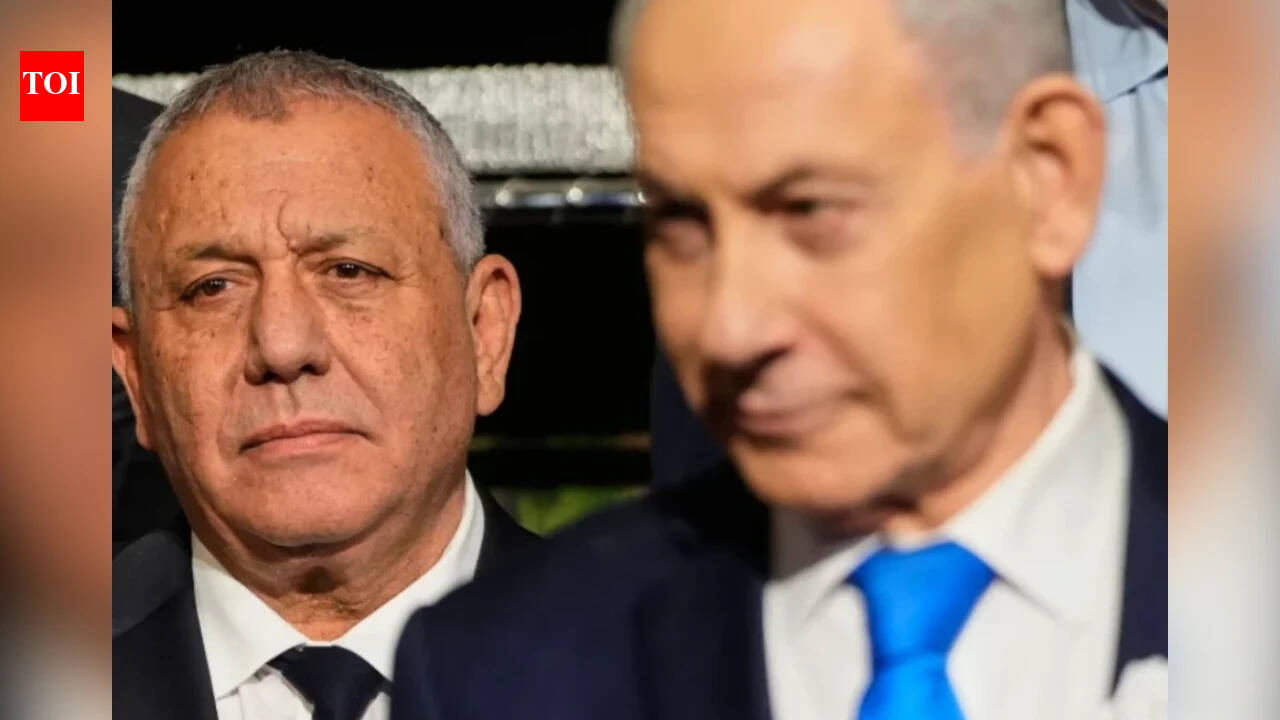
Gadi Eisenkot has secured a coalition agreement with the left-wing Democrats to bolster his bid to form an Israeli government. This move aims to challenge Prime Minister Benjamin Netanyahu following recent inconclusive elections.
The Shift in Israeli Governance: Eisenkot’s Strategic Coalition
Israeli politics remains in a state of flux as Gadi Eisenkot, leader of the centrist Yashar party, secures a vital coalition agreement with the left-leaning Democrats, headed by Yair Golan. This development marks a significant milestone in the ongoing effort to form a government following the most recent inconclusive election cycle. With a hard deadline of December 6 to present a viable coalition, Eisenkot is aggressively consolidating support to unseat long-standing Prime Minister Benjamin Netanyahu.
Overcoming Internal Friction
The path to this agreement was not without its hurdles. Earlier in the week, the Democrats had paused negotiations, signaling deep dissatisfaction with Eisenkot’s parallel discussions regarding a potential unity government with Netanyahu’s Likud party. By securing this deal, Eisenkot has effectively quelled concerns from his left-wing partners, reaffirming his commitment to a platform focused on replacing the current administration rather than compromising with it.
The Goal: Replacing Netanyahu
The central pillar of this emerging coalition is a unified front against Benjamin Netanyahu. Yair Golan and the Democrats have explicitly framed their participation in this government as a mission to 'defend democracy.' This rhetoric highlights the deep ideological polarization currently defining the Israeli Knesset, where the question of Netanyahu’s political future has become the primary driver of legislative maneuvering.
The December 6 Deadline
Time is of the essence for Eisenkot, as the constitutional clock ticks toward the December 6 deadline. In the Israeli parliamentary system, failure to secure a majority by this date could lead to yet another round of elections, a prospect that has exhausted the electorate. Eisenkot’s ability to bridge the gap between centrist and left-wing factions is a critical test of his political capital and his capacity to manage a diverse, often fractious, legislative bloc.
Broader Political Implications
Should Eisenkot successfully form this government, it would represent a significant pivot in Israeli policy. The alliance between the centrist Yashar party and the left-wing Democrats suggests a government focused on reversing recent trends associated with Netanyahu’s tenure. However, the fragility of such coalitions is well-documented in Israeli history; maintaining unity among such varied interests while navigating complex national security and social issues will be the ultimate challenge for a nascent Eisenkot-led administration.
Conclusion
As the December 6 deadline approaches, all eyes remain on whether this newly formed alliance can withstand the pressures of Israeli coalition-building. By aligning with the Democrats, Eisenkot has taken a decisive step toward challenging the status quo. Whether this coalition proves sufficient to replace Netanyahu and offer a stable alternative remains the most pressing question in Israeli political life today.