COP31 climate talks collapse: What Saudi Arabia opposed and why it matters
Source Entity
AADRITA HALDER
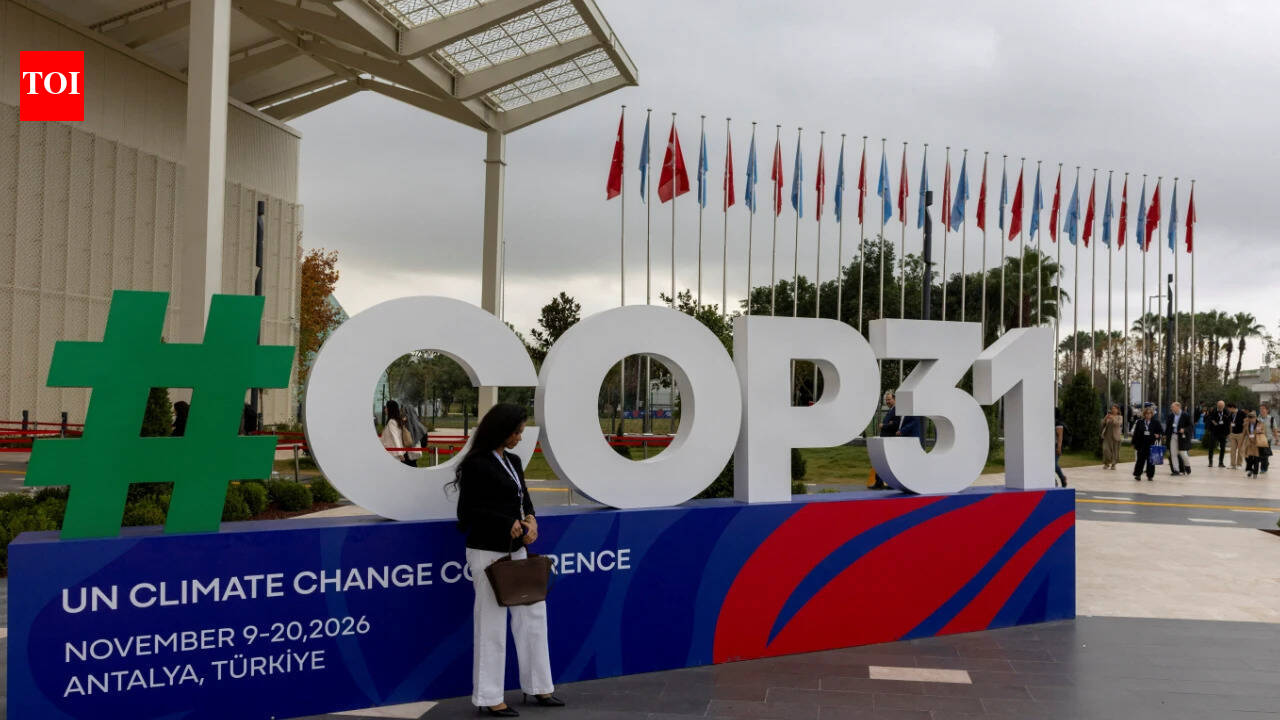
COP31 in Antalya has concluded without an agreement on the proposed Antalya Pact, marking the first such failure since 2009. Negotiations stalled over the exclusion of fossil fuel phase-outs and controversial targets for carbon capture technology.
The Collapse of COP31: A Historic Impasse
The 31st session of the UN climate conference (COP31) in Antalya, Turkey, has concluded in an unprecedented deadlock, marking the first time since 2009 that a climate summit has failed to reach a consensus on a final cover decision. Despite extending the conference well beyond its scheduled Friday conclusion, negotiators were unable to bridge the deep-seated divisions that have paralyzed international climate diplomacy in recent years.
The Antalya Pact and the Fossil Fuel Controversy
At the heart of the failure was the proposed 'Antalya Pact.' The draft agreement drew immediate ire from several nations and blocs, including the European Union, Norway, and Panama. A significant point of contention was the conspicuous absence of any mention of fossil fuels—coal, oil, and gas—in the draft text. For many delegates, a climate summit that avoids addressing the primary drivers of global warming is inherently flawed, leading to the outright rejection of the proposal.
The Flashpoint of Carbon Capture
Beyond the omission of fossil fuels, the summit became a battleground over the role of carbon capture technology. The hosts, Türkiye and Australia, proposed a target of capturing 1 billion tonnes of carbon dioxide, specifically targeting industrial sectors that struggle to transition to renewables. However, critics argue that this focus serves as a loophole, allowing heavy polluters to continue operations under the guise of technological mitigation rather than systemic decarbonization.
The 1.5C Threshold and Political Paralysis
Adding to the complexity was the growing anxiety regarding the 1.5C global warming limit. Nations remain deeply divided on how to respond to the looming breach of this threshold, a target established by the Paris Agreement to prevent the most catastrophic effects of climate change. The inability to agree on a pathway to honor this commitment underscores the growing gap between scientific reality and political willpower.
Implications for Global Climate Policy
This failure signals a challenging era for international climate governance. Since the Copenhagen summit in 2009, the world has generally operated under a framework of incremental progress. The collapse at Antalya suggests that the geopolitical consensus required for global climate action is fracturing, particularly as nations weigh industrial interests against environmental imperatives. Future summits will now face the daunting task of rebuilding trust and finding a middle ground between rapid decarbonization and economic stability.
Conclusion: A Future at a Crossroads
As the world stares down the barrel of an escalating climate crisis, the outcome of COP31 serves as a stark reminder of the limitations of multilateral negotiation. With no binding outcome to guide global policy, the burden of action may increasingly shift toward regional blocs and individual national policies, potentially leading to a more fragmented and unpredictable global response to the climate emergency.
Multiple Citing Sources