'I want to destroy capitalism, not France': On the streets with the French ultra left
Source Entity
BBC News
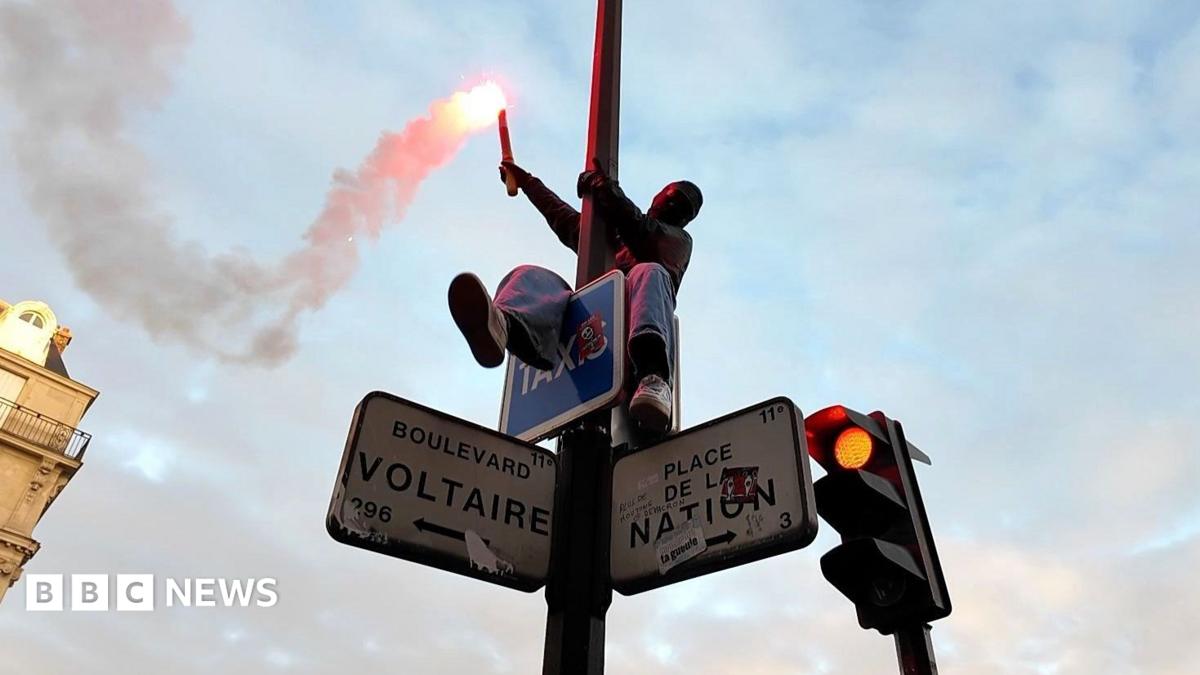
France faces deepening social instability fueled by economic grievances and political polarization. President Macron has labeled far-left elements as key instigators, while critics point to systemic failures in governance.
The Crisis of the French Republic: A Nation at a Crossroads
France is currently grappling with a profound period of instability, characterized by a convergence of economic hardship and deep-seated political resentment. The nation is contending with crippling public debt and a government that many perceive as ineffective, with President Emmanuel Macron now functioning as a "lame-duck" leader with only six months remaining in his current term. This power vacuum, combined with escalating social unrest, has created a volatile atmosphere that threatens the traditional stability of the French Republic.
The Roots of the Unrest
The current wave of protests, which has now entered its sixth consecutive weekend, is primarily driven by the tangible impact of soaring inflation and the perceived degradation of essential public services. Citizens are taking to the streets to express their frustration with the rising cost of living, an issue that has become the primary catalyst for the movement. What began as peaceful demonstrations has, in several instances, erupted into looting and violence, reflecting a deep-seated anger that transcends mere policy disagreement.
The Political Narrative: Macron vs. The Ultra-Left
President Macron has taken a firm stance against the demonstrators, publicly attributing the violence and civil disobedience to "delinquents" and "ultra-left groups." He has characterized these factions as existential threats to the Republic, suggesting their primary goal is not reform, but the total destruction of the French state. This narrative serves to frame the conflict as a battle between institutional order and radical anarchy, effectively delegitimizing the protesters' grievances by focusing on their methods rather than their motivations.
Implications for Upcoming Elections
As France approaches critical presidential and parliamentary elections next year, the unrest has evolved into a strategic political football. The political left has countered the President’s accusations by shifting the blame onto the center and right-wing administrations. They argue that the current crisis is a direct result of failed economic policies that have exacerbated wealth inequality and eroded the social contract, making the cost-of-living crisis the defining issue for the upcoming electoral cycle.
Historical Context and Future Outlook
France has a long historical tradition of street-level activism serving as a check on executive power. However, the current intensity and duration of these demonstrations suggest a new level of polarization. As the country moves toward the next election, the ability of any candidate to reconcile these factions will be severely tested. If the government cannot address the underlying economic pressures while simultaneously managing the public's perception of its legitimacy, the cycle of violence and political gridlock is likely to persist well into the next administration.