31 Summits, 1 Fossil Fuel Mention: COP31 Was Failure In Making For Years
Source Entity
NDTV News Search Records Found 1000
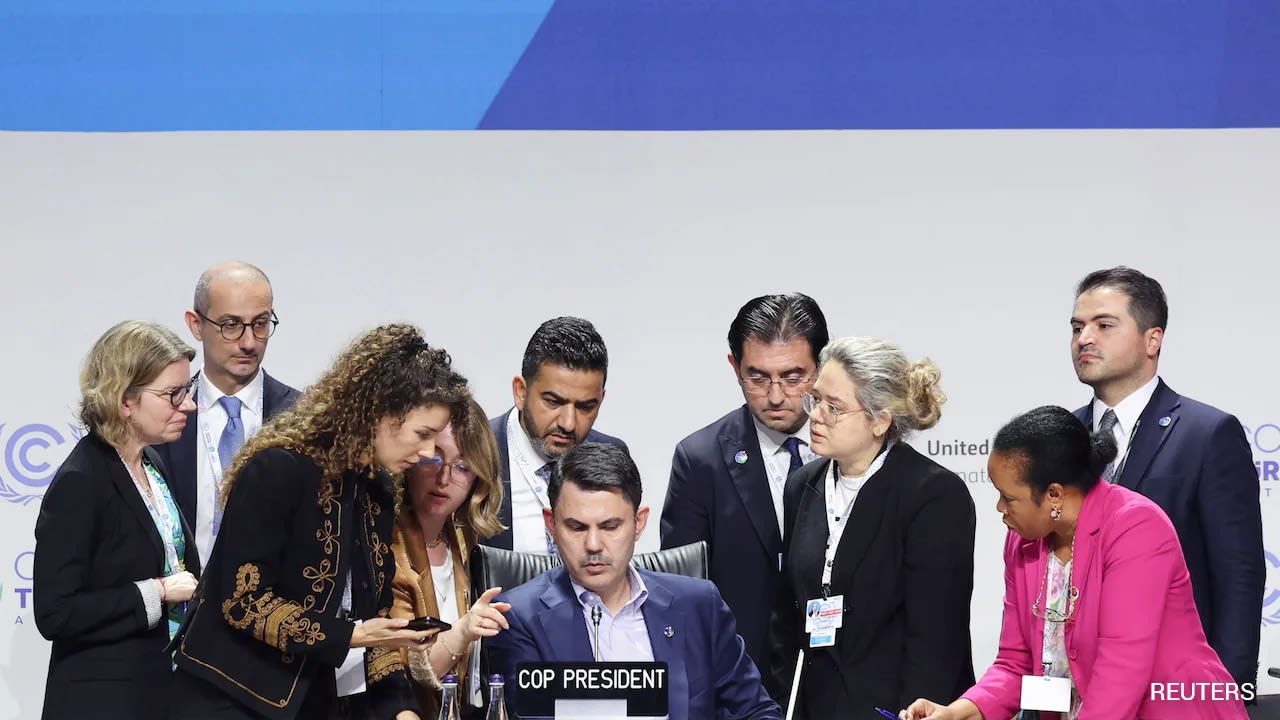
COP31 in Antalya concluded without an overarching agreement, marking the first such failure since 2009. Deep divisions over fossil fuel language, carbon capture technology, and climate finance prevented a consensus among nearly 200 nations.
The Collapse of COP31: A Historic Deadlock
The 31st session of the United Nations climate conference (COP31), held in Antalya, Turkey, concluded on Sunday without an overarching political and binding outcome. This failure marks a historic low point in climate diplomacy, as it is the first time since 2009 that a COP summit has failed to reach a consensus on a final cover decision. Despite extending negotiations for more than 50 hours beyond the scheduled Friday conclusion, the conference ended in a stalemate that underscores the intensifying friction between global powers regarding the trajectory of the energy transition.
The Fossil Fuel Flashpoint
At the heart of the collapse was a profound disagreement over the language used to address fossil fuels. The final draft text, released by the hosts—Türkiye and Australia—faced significant scrutiny for omitting explicit references to coal, oil, and gas. Critics and various negotiating blocs, including the EU, Norway, and Panama, expressed strong objections to a framework that they argued would allow industrial polluters to continue business-as-usual practices without a clear mandate for phase-out.
Carbon Capture: A Contested Solution
A major point of contention was the proposed inclusion of carbon capture technology, with a target of capturing 1 billion tonnes of carbon. While the hosts presented this as a vital tool for industrial sectors that cannot easily transition to renewable energy, it became a significant flashpoint in the negotiations. Critics argue that relying on carbon capture—which traps emissions at the source—without a concurrent commitment to reduce fossil fuel consumption provides a loophole for polluters rather than a solution for the climate crisis.
Geopolitical Influence and Finance
The failure also highlighted the outsized influence of major oil-producing nations, specifically Saudi Arabia, in shaping the narrative of the negotiations. Questions regarding the role of these nations in blocking more ambitious language have intensified, as have concerns over the lack of progress on climate finance. These divisions over how to fund and implement climate action, coupled with the skepticism surrounding carbon capture versus carbon removal, effectively paralyzed the decision-making process.
The 1.5°C Threshold and Future Implications
The collapse of COP31 comes at a precarious time, with the 1.5°C global warming threshold increasingly slipping out of reach. By failing to secure a binding agreement, the international community has sent a concerning signal about its collective ability to address the climate crisis. While the summit did record progress on some separate, smaller initiatives, the absence of a unified global pact leaves a significant vacuum in international climate policy.
Conclusion: A Turning Point for Diplomacy
The failure of COP31 to reach an agreement after the longest overtime in the history of these summits serves as a stark reminder of the complexities inherent in global climate governance. As the world stares at an escalating climate crisis, the inability to bridge the gap between industrial interests and environmental necessity suggests that future climate diplomacy will require a fundamental shift in strategy to reconcile the disparate economic and environmental priorities of nearly 200 nations.
Multiple Citing Sources
Verification Required?