Why copper — ‘the commodity for all seasons’ — is more precious than gold nowadays
Source Entity
Jules Rimmer
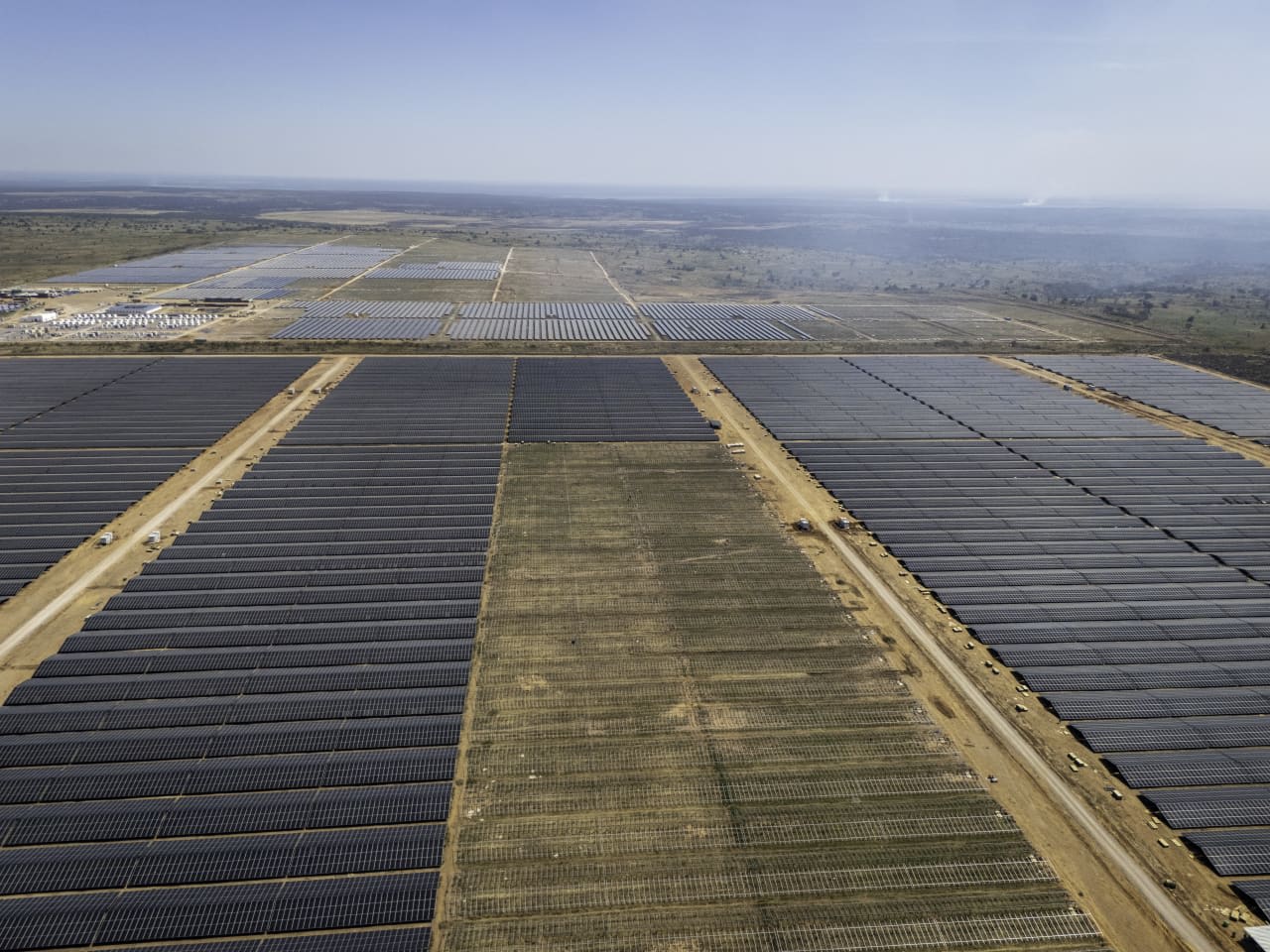
Copper is increasingly viewed as a superior investment to gold due to its dual role as an inflation hedge and a critical industrial commodity. Analysts suggest its unique demand profile provides resilience against interest rate volatility.
The Strategic Rise of Copper in Modern Portfolios
Recent market analysis from Panumre Liberum highlights a significant shift in investor sentiment regarding copper, effectively positioning the metal as the premier "commodity for all seasons." Unlike precious metals, which often rely solely on store-of-value narratives, copper is gaining traction due to its fundamental role in the global economy. This dual-purpose utility suggests that copper is no longer just a cyclical industrial input, but a sophisticated asset class capable of providing stability in uncertain economic climates.
Inflation Protection and Industrial Demand
The core argument for copper’s current prestige lies in its unique ability to mirror gold's historical role as an inflation hedge while simultaneously benefiting from robust industrial demand. While gold serves as a passive safeguard against currency devaluation, copper is actively consumed in the production of everything from electrical grids to electric vehicles. This industrial-backed demand growth story ensures that even if speculative financial interest wanes, the physical necessity of the metal creates a natural floor for its valuation.
Resilience Against Interest Rate Volatility
One of the most compelling aspects of the recent analysis is copper’s relative immunity to movements in interest rates. Traditionally, high interest rates exert downward pressure on non-yielding assets like gold, as the opportunity cost of holding them increases. Copper, however, operates within a different paradigm; its price trajectory is often dictated by infrastructure spending cycles and the global energy transition. This decoupling from the typical interest rate sensitivity makes it an attractive diversifier for institutional portfolios seeking to mitigate macroeconomic risk.
The Global Energy Transition Context
Looking toward future trends, the demand for copper is intrinsically linked to the global push for decarbonization. As nations transition toward renewable energy sources and electrified transportation, the requirement for copper—a highly efficient conductor—will only intensify. This long-term structural deficit, where demand is expected to outpace current mining output, reinforces the narrative that copper is becoming increasingly precious in the modern era.
Implications for Future Investment Strategies
Investors are increasingly viewing copper as a primary vehicle for capturing the growth of the green economy while maintaining a hedge against systemic inflation. By moving away from the binary choice of either industrial metals or precious metals, market participants are embracing copper as a hybrid asset. As the global economy continues to prioritize electrification, the strategic importance of copper will likely continue to grow, potentially redefining its status in the commodity hierarchy for decades to come.
Conclusion
The transformation of copper into a "commodity for all seasons" reflects a broader maturation of commodity markets. By balancing the defensive characteristics of gold with the aggressive growth potential of industrial materials, copper offers a compelling value proposition. As identified by Panumre Liberum, the combination of inflation protection and industrial demand resilience positions it as a cornerstone asset for navigating the complexities of the current global economic landscape.
Verification Required?