Corn hair is being called a kidney remedy: What science actually says
Source Entity
The Indian Express
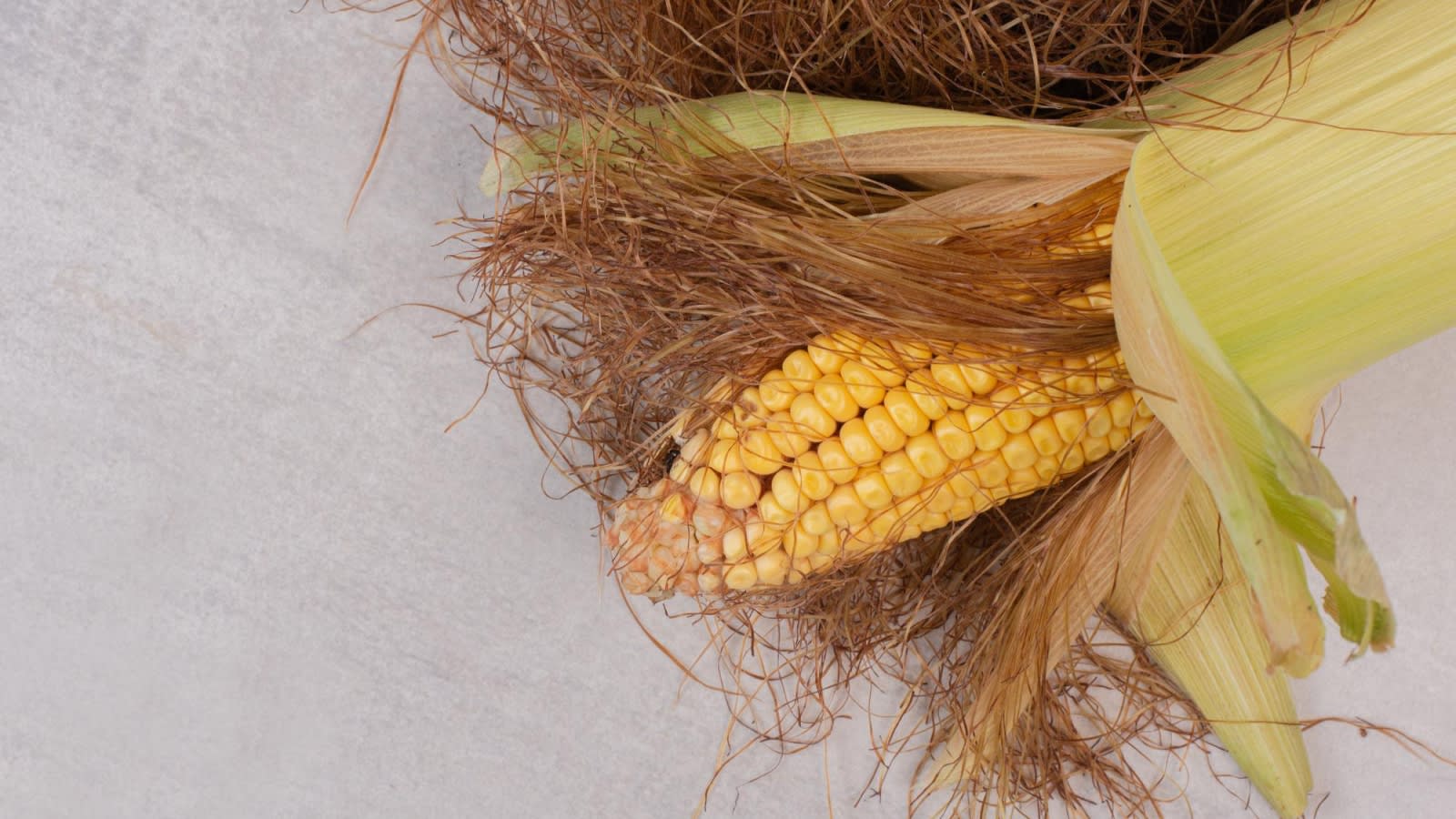
Recent claims by wellness influencers suggest corn silk acts as a potent diuretic and kidney remedy. However, while traditionally used in herbal medicine, scientific evidence remains limited and medical consultation is advised.
The Rising Popularity of Corn Silk in Holistic Wellness
Recent social media discourse, led by wellness influencers like Radhesa, has brought the humble corn silk—the thread-like strands found inside corn husks—into the spotlight. Often discarded as agricultural waste, these fibers are now being touted as a potent natural remedy for various ailments, particularly those affecting the renal and urinary systems. By framing corn silk as a functional medicine for the kidneys, liver, and bladder, these claims tap into a growing consumer trend of 'kitchen-remedy' wellness that seeks to repurpose food waste into health-boosting agents.
The Claim: Diuretic Properties and Urinary Health
The central argument presented is that corn silk acts as a natural diuretic. Proponents suggest that by increasing urine flow, the substance helps flush the urinary tract, potentially alleviating issues like recurrent urinary tract infections (UTIs) and aiding in the management of kidney stones. Historically, various cultures have utilized corn silk in traditional herbal medicine for its perceived soothing properties on the lining of the urinary tract, which aligns with the contemporary claims being shared online.
Analyzing the Scientific Landscape
While traditional medicine often utilizes botanical substances, it is vital to distinguish between anecdotal wellness advice and clinical evidence. Scientifically, corn silk contains proteins, carbohydrates, vitamins, and minerals, along with various phytochemicals that may exert mild diuretic effects. However, the rigorous, large-scale clinical trials required to validate its efficacy for treating specific medical conditions like kidney stones or diabetes are largely absent. Consumers should view these claims through a cautious lens, as 'natural' does not automatically equate to 'medically proven' or 'safe for everyone.'
Potential Risks and Medical Considerations
Any substance that acts as a diuretic has the potential to impact electrolyte balance and hydration levels. When influencers suggest using such remedies at home without professional medical oversight, it introduces risks, particularly for individuals already on prescription medications. For instance, those taking diuretics for hypertension or individuals with pre-existing chronic kidney disease could experience adverse interactions. Relying on an unregulated home remedy to manage systemic issues like blood sugar or kidney function can lead to delayed diagnosis or improper treatment of underlying conditions.
The Intersection of Social Media and Public Health
This trend highlights the influence of digital platforms in shaping modern health behaviors. While the push toward sustainable living and utilizing food waste is positive, the democratization of health advice often bypasses the necessary nuance of medical science. As viewers consume content about 'miracle' remedies, the lack of disclaimers regarding individual health history poses a significant challenge for public health literacy.
Conclusion: A Balanced Approach
In summary, while corn silk represents an interesting area of traditional herbal interest, it should not be considered a replacement for conventional medical care. The claims circulating online regarding its ability to treat complex conditions like kidney stones and diabetes require a healthy dose of skepticism. Before incorporating such remedies into a daily regimen, individuals are strongly advised to consult with a qualified healthcare professional who can assess the safety of these practices in the context of their specific medical history.