Cornell Faculty Senate Declares No Confidence In University Leadership
Source Entity
NDTV News Search Records Found 1000
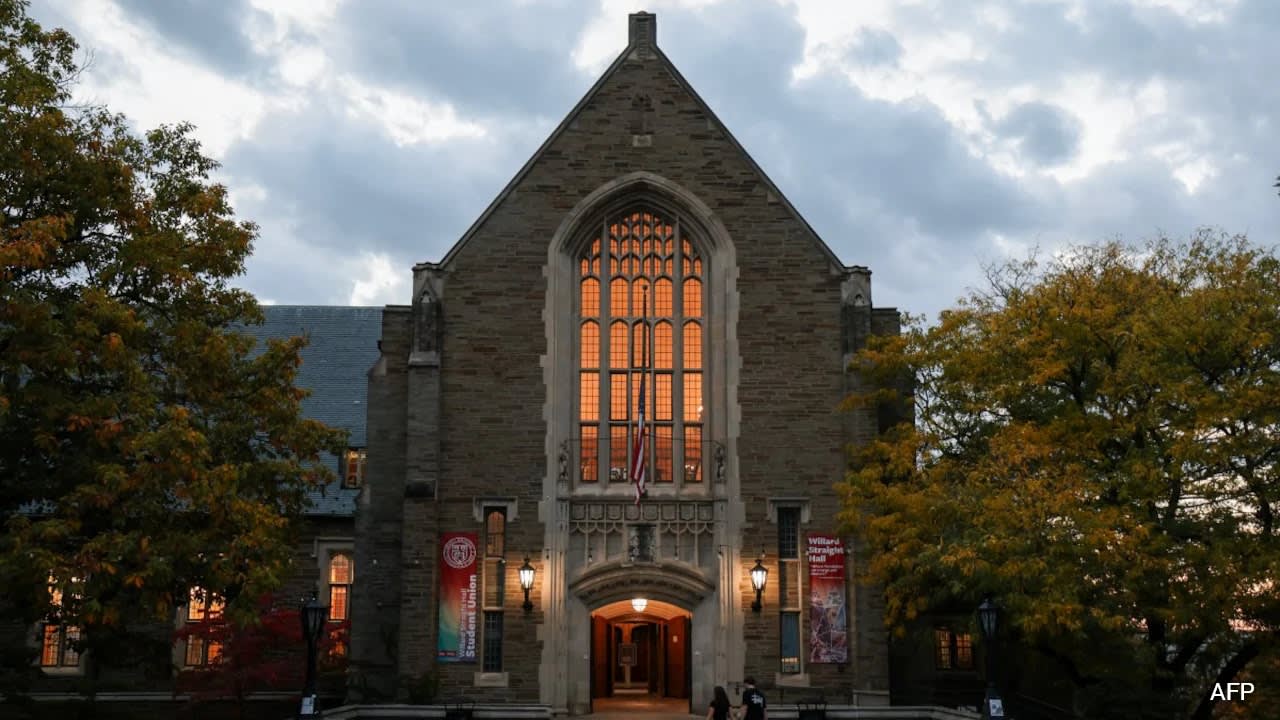
The Cornell University Faculty Senate has passed a vote of no confidence in university leadership following allegations of a 2024 fraternity gang rape. The resolution highlights deep faculty dissatisfaction regarding the administration's handling of sexual misconduct cases.
Cornell Faculty Senate Issues Vote of No Confidence
In a significant escalation of campus tensions, the Cornell University Faculty Senate has formally approved a resolution of "no confidence" against the university's top leadership. The vote, which concluded with 75 in favor and 50 against, serves as a powerful condemnation by the institution's primary legislative body. This symbolic yet consequential move signals a profound breakdown in trust between the faculty and the administration led by President Michael Kotlikoff.
The Catalyst: Addressing Sexual Misconduct
The primary driver for this extraordinary measure is the administration’s response to a disturbing allegation of sexual violence. A former student has filed a lawsuit claiming she was gang-raped at a fraternity party in 2024. This incident has reignited long-standing concerns regarding the safety of the student body and the efficacy of university protocols in addressing sexual misconduct. The faculty's decision to move forward with the vote followed weeks of intense debate regarding whether the university has adequately addressed these allegations.
Accountability and Administrative Oversight
At the heart of the faculty's discontent is the question of institutional accountability. Critics within the faculty argue that the administration has not taken sufficient steps to curtail sexual violence or provide transparent support for victims. By passing this resolution, the Faculty Senate is demanding a higher standard of oversight and a more robust approach to campus safety. This vote challenges the current leadership's ability to effectively manage the university's moral and legal obligations to its students.
Historical Context and Institutional Governance
Historically, votes of no confidence in higher education are rare and serve as a "red alert" to boards of trustees and the broader academic community. Such actions often precede structural changes, policy overhauls, or leadership transitions. Cornell, as a prestigious institution, now finds itself under intense scrutiny to prove that its administrative mechanisms are not just functional, but aligned with the ethical expectations of its academic community.
Broader Implications for Campus Culture
This event underscores a broader trend in academia where faculty are increasingly asserting their influence in matters of campus culture and student welfare. As universities navigate the complexities of Title IX compliance and student safety, the friction between faculty oversight and executive decision-making is likely to intensify. The outcome at Cornell will likely serve as a case study for other universities grappling with similar crises.
Future Outlook
As the fallout from this vote continues, the focus will shift to how President Kotlikoff and his administration respond to the Faculty Senate's demands. Whether this leads to a formal change in leadership or a significant shift in policy remains to be seen. The university now faces the dual challenge of restoring its reputation while ensuring that the systemic issues surrounding sexual misconduct are addressed with the transparency and urgency that the faculty expects.
Multiple Citing Sources
Verification Required?