Cornell University Bans Fraternity Parties After Student's Sexual Assault
Source Entity
NDTV News Search Records Found 1000
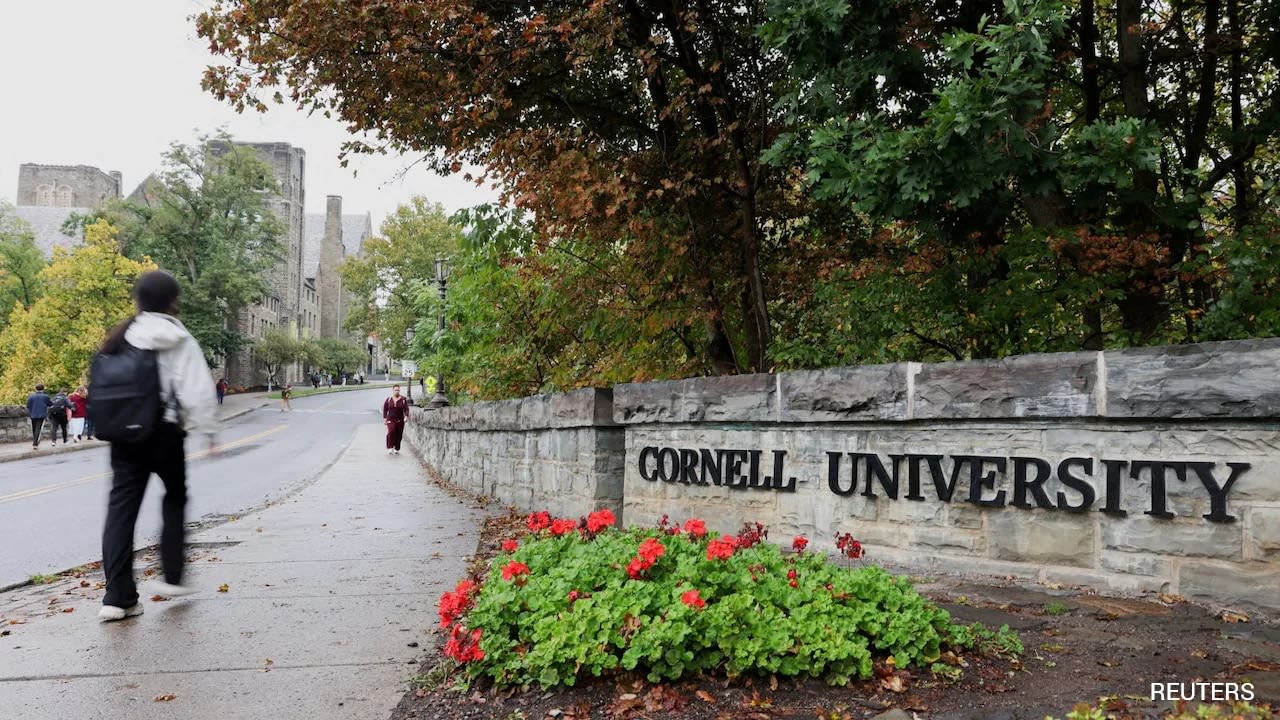
Cornell University has suspended all fraternity social events for the remainder of the 2026-27 academic year following intense scrutiny over its handling of sexual assault allegations. The institution is now involving the New York State Police in ongoing investigations to address campus safety concerns.
Cornell University Imposes Total Ban on Fraternity Social Events
Cornell University has taken the drastic step of suspending all social events and parties at its fraternity houses for the remainder of the 2026-27 academic year. This decision, announced by University President Michael Kotlikoff on October 13, comes in response to mounting public and internal pressure regarding the institution's handling of a 2024 sexual assault case. By leveraging a zero-tolerance policy, the university aims to address a systemic crisis that has left many students, particularly women, questioning their safety on campus.
The Context of Campus Greek Life
Fraternities have long been a fixture of the American collegiate experience, serving as social hubs where students live, study, and socialize. However, these all-male organizations have increasingly faced criticism for fostering environments characterized by binge-drinking, dangerous hazing rituals, and, in severe cases, sexual violence. With more than 20 active fraternities affiliated with Cornell’s Interfraternity Council, the university is now grappling with the inherent risks associated with these autonomous social structures and the culture they can perpetuate.
Legal Scrutiny and Accountability
The university’s response was catalyzed by a civil lawsuit filed by a woman identified as Jane Doe. Her legal representation, Thomas Giuffra, has explicitly stated that the suit aims to force institutional reform regarding how the university processes abuse claims. While the administration has begun to implement stricter oversight, Giuffra noted that these measures, while positive, arrived too late to protect his client, highlighting a significant failure in the university's historical duty of care.
Institutional Reform and External Intervention
A pivotal element of the university's new strategy is the integration of the New York State Police into the investigation of campus sex crimes. This move represents a significant shift toward external oversight, signaling that the university recognizes its internal mechanisms have been insufficient to handle the gravity of the allegations. By bringing in state-level law enforcement, Cornell is attempting to restore credibility to its investigative processes and provide a more robust framework for addressing criminal conduct.
Future Implications and Zero-Tolerance
President Kotlikoff’s announcement of a zero-tolerance policy, which includes the immediate emergency suspension of any fraternity chapter found in violation, marks a new era for Greek life at Cornell. This policy serves as a stern warning that the university is moving away from the leniency that defined its past responses. The success of these measures will likely be measured by the university's ability to maintain a safer campus environment and its commitment to transparency throughout the ongoing investigations.
Conclusion
Cornell University is at a critical juncture. The suspension of fraternity social events is not merely a reactionary policy but a necessary step toward dismantling a culture of silence surrounding sexual assault. As the institution navigates this period of intense scrutiny, the collaboration with state police and the implementation of stringent accountability measures will be essential in determining the future of student safety and organizational life at the university.
Verification Required?