Messy make-up: cosmetics addiction takes the sheen out of childhood
Source Entity
India Latest News: Top National Headlines Today & Breaking News | The Hindu
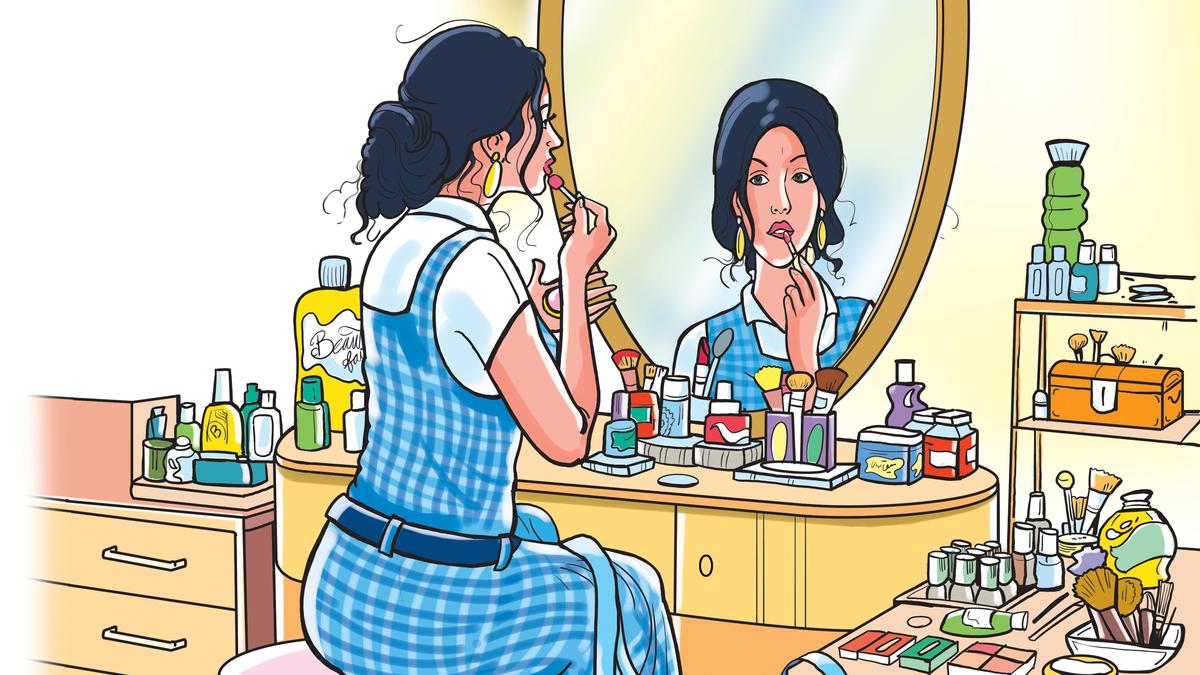
Schoolchildren in Kerala are increasingly exhibiting 'Cosmeticorexia,' an obsessive reliance on beauty products that impacts their mental health. This trend reflects a growing psychological tether between adolescent self-worth and external appearance.
The Rise of Cosmeticorexia Among Youth
A concerning trend has emerged within Kerala’s school system, where middle-school students are increasingly displaying signs of what experts call 'Cosmeticorexia.' This term describes a morbid, obsessive fascination with cosmetics that transcends typical adolescent experimentation. As evidenced by students like Aliya, who maintains a strict morning ritual of applying brightening creams, kajal, and lip tints, the classroom is no longer just a space for academic growth but a stage for performance-based identity construction.
The Psychological Tether to Appearance
The core issue lies in how these students internalize their self-worth through beauty products. For many, the make-up kit serves as a psychological crutch. When teachers intervene—as seen in the case where a student’s cosmetics were confiscated—the reaction is not merely teenage defiance but profound emotional distress. This indicates that the cosmetics are not being used for casual enhancement, but are integral to the child's perceived stability and social standing within their peer group.
Socio-Economic Disparities and Accessibility
The accessibility of cheap, unregulated beauty products plays a significant role in this phenomenon. Even students from low-income backgrounds, such as those with parents working as daily wage earners, are able to acquire these items. This accessibility creates a paradox where children prioritize the purchase of 'brightening' creams and tints over other needs, often without parental understanding or oversight regarding the long-term mental or physical implications of such habits.
Physical and Developmental Concerns
Beyond the psychological impact, there is a looming concern regarding the physical consequences of early, daily exposure to chemical-laden beauty products. The use of 'chalky' brightening agents and cheap tints on developing skin poses risks that are often overlooked by young users. The obsession with achieving an 'instant' aesthetic brightness suggests a shift in societal standards that is being mirrored in the behavior of eighth-graders, potentially causing lasting damage to their skin health and self-image.
A Call for Educational and Parental Intervention
To address this trend, there is an urgent need for educators and parents to recognize the signs of Cosmeticorexia. The emotional collapse observed when these items are removed highlights the depth of the behavioral issue. Moving forward, it is essential to foster environments where self-esteem is decoupled from superficial appearances, ensuring that students like Aliya can find value in their academic and personal growth rather than the contents of their school bag.
Future Trends and Social Implications
If left unchecked, this trend could lead to widespread body dysmorphia among the youth in Kerala. As social media continues to influence beauty standards, the pressure to conform will likely intensify. Future interventions must focus on media literacy and mental health support, teaching children to critically evaluate the marketing of beauty products rather than viewing them as essential tools for social survival.
Verification Required?