Court relies on the testimony of key witness to convict four and acquit two
Source Entity
Sohini Ghosh
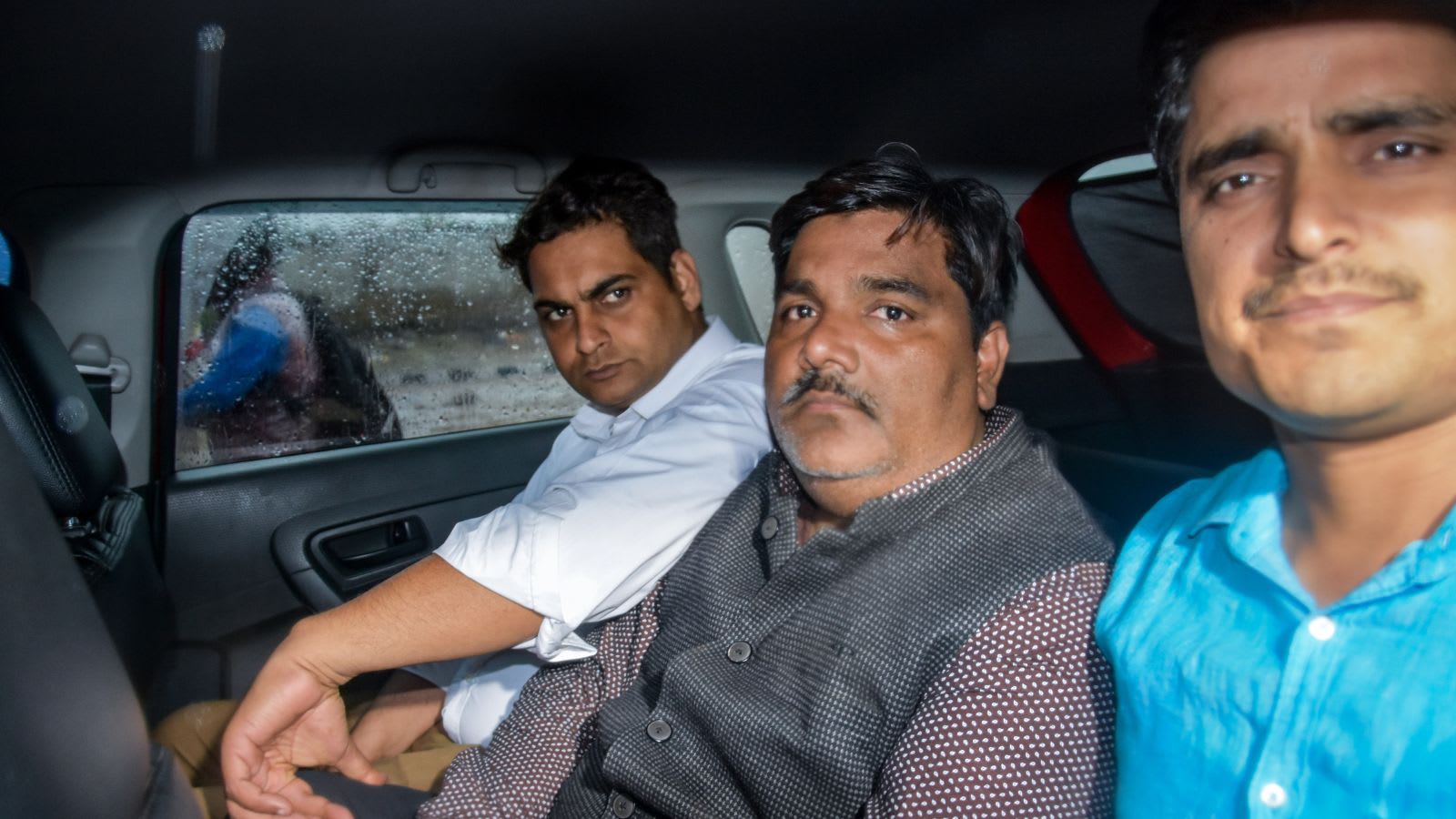
A court has convicted four individuals and acquitted two in riot-related cases, relying heavily on the testimony of witness Pradeep Verma, whom the court found credible despite his involvement in nine other FIRs.
Judicial Determination in Riot-Related Convictions
In a significant legal development, a trial court has delivered a verdict convicting four individuals and acquitting two others in connection with riot-related offenses. The crux of the judicial decision rested upon the testimony of a key prosecution witness, Pradeep Verma. This case highlights the intricate balance courts must maintain when evaluating witness credibility, especially when that witness has a history of involvement in multiple legal proceedings. The decision to convict four of the accused suggests that the court found the evidence presented—specifically the eyewitness account—to be sufficiently robust to meet the threshold of 'beyond a reasonable doubt.'
The Paradox of the 'Professional Witness'
A central point of contention in this trial was the credibility of Pradeep Verma. The defense likely argued that Verma's status as a witness in nine other riot-related First Information Reports (FIRs) rendered him a 'professional witness' or an unreliable source whose testimony was patterned rather than factual. In many legal systems, particularly within the Indian judicial framework, the frequency with which a person appears as a witness in similar cases can be used to question their objectivity. However, the court's decision to overlook this pattern and uphold Verma's credibility indicates that his testimony in this specific instance was likely corroborated by other circumstantial evidence or was internally consistent enough to withstand rigorous cross-examination.
Challenges in Riot-Related Prosecutions
Prosecuting riot-related crimes presents unique challenges for the judiciary. Riots are characterized by chaos, anonymity, and mass participation, making it exceptionally difficult for investigators to pinpoint specific individuals committing specific acts. In such environments, the reliance on eyewitnesses becomes paramount. This case underscores the fragility and importance of human testimony in the absence of comprehensive digital or forensic evidence. By convicting four but acquitting two, the court demonstrated a discerning approach, suggesting that it did not simply accept the witness's word blindly but filtered the testimony to separate the genuinely implicated from those who may have been wrongly accused in the heat of the moment.
Legal Implications and Precedents
The court's willingness to rely on a witness cited in multiple FIRs sets a noteworthy precedent for how 'habitual witnesses' are viewed in communal or civil unrest cases. It suggests a judicial philosophy where the quality of the testimony in a specific case outweighs the quantity of the witness's previous appearances in court. This approach prevents the defense from using a witness's civic engagement or frequent victimization/observation of crimes as a blanket tool for disqualification. However, this also places a heavier burden on the trial judge to ensure that such witnesses are not being coached or utilized by investigative agencies to secure convictions through systemic patterns.
Broader Societal and Legal Context
Historically, riot cases often suffer from low conviction rates due to hostile witnesses or lack of concrete evidence. The successful conviction of four individuals in this instance represents a victory for the prosecution but also opens a dialogue about the reliability of eyewitness-led convictions. As legal systems evolve, there is a growing trend toward integrating CCTV footage, call detail records (CDRs), and social media forensics to supplement human testimony. The reliance on Pradeep Verma in this case may be viewed as a traditional approach to justice, which, while effective here, highlights the need for more modernized evidentiary standards to avoid the controversies associated with 'key witnesses.'
Conclusion
Ultimately, the court's verdict serves as a reminder that judicial discretion remains the final arbiter of truth. By convicting four and acquitting two, the court navigated the precarious line between trusting a contested witness and ensuring that the innocent are not penalized. The case underscores the enduring importance of eyewitness testimony in riot-related litigation while simultaneously highlighting the scrutiny such testimony must undergo when the witness has a documented history of involvement in similar legal disputes.