CPI(M) review says ‘personalising’ campaign around Pinarayi Vijayan weakened political initiative in 2026 Kerala Assembly polls
Source Entity
India Latest News: Top National Headlines Today & Breaking News | The Hindu
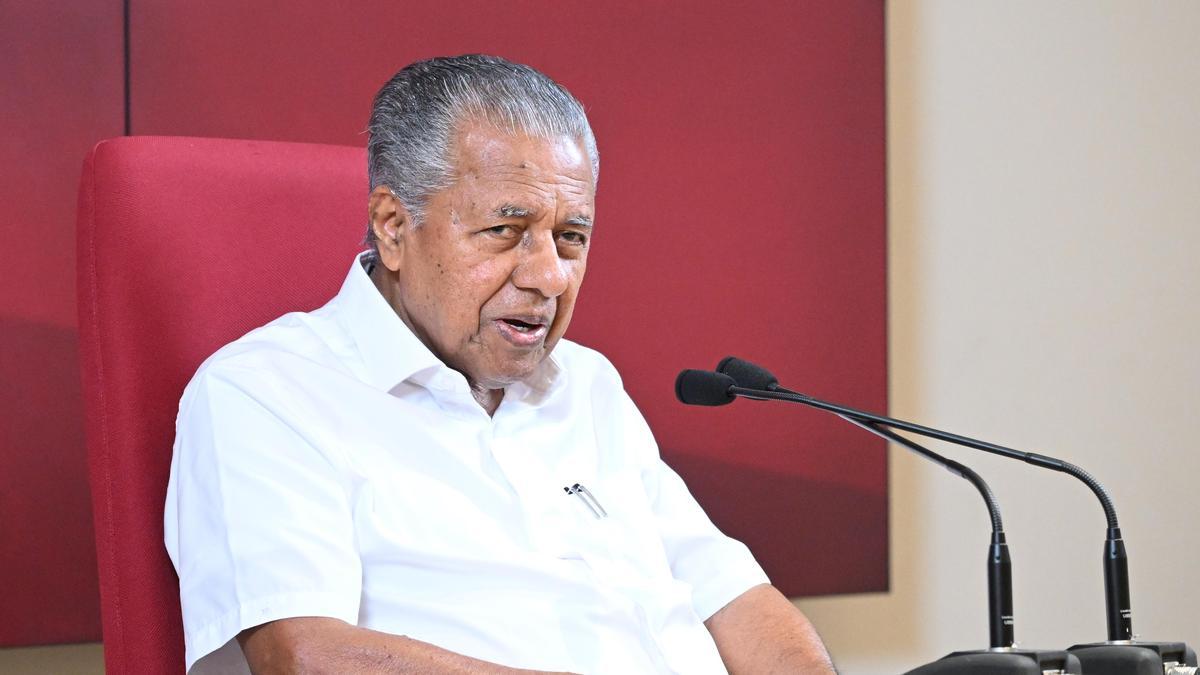
The CPI(M) Central Committee's review of the 2026 Kerala Assembly elections identifies the personalization of the campaign around Pinarayi Vijayan as a strategic failure. The party also acknowledged its inability to effectively counter the combined influence of RSS-BJP Hindutva propaganda and corporate interests.
Analysis of CPI(M) Electoral Setbacks in 2026
The Failure of 'Individualisation'
Following the 2026 Kerala Assembly election results, the Communist Party of India (Marxist) [CPI(M)] Central Committee has released a candid post-mortem identifying core strategic errors. A primary finding of the review is that the decision to center the electoral campaign exclusively around former Chief Minister Pinarayi Vijayan weakened the party’s broader political initiative. By personalizing the campaign, the party inadvertently shifted the focus away from collective ideology and policy, allowing the opposition to frame the entire election as a referendum on a single individual rather than a contest of political visions.
Impact on Political Narrative
This strategic pivot toward 'individualisation' had severe consequences for the Left Democratic Front (LDF). According to the review, the campaign became susceptible to a targeted vilification strategy against Mr. Vijayan, which dominated the public discourse. Consequently, the CPI(M) found itself unable to effectively expose what it terms the 'reactionary, ruling class bias' of the Congress party and the United Democratic Front (UDF). By failing to keep the focus on structural political differences, the LDF lost its ability to define the election narrative, leaving the electorate distracted by personality-driven debates.
Confronting the Hindutva-Corporate Nexus
Beyond internal tactical errors, the CPI(M) has admitted to a significant deficit in its ideological and organizational preparedness. The party’s review explicitly states that it is not sufficiently equipped to combat the multifaceted propaganda deployed by the RSS-BJP. This 'Hindutva-communal-corporate' narrative appears to have successfully challenged the traditional ideological foundations of the Left in Kerala, signaling a shift in how political messaging is received by the electorate.
Broader Implications for the Left
The admission of these shortcomings highlights a critical juncture for the CPI(M). As traditional political parties struggle to maintain their relevance in an era of hyper-mediated, personality-centric politics, the party’s inability to counter sophisticated communal and corporate-aligned propaganda suggests a need for a fundamental overhaul of its communication strategy. The reliance on legacy campaign structures may no longer be sufficient against opponents who effectively utilize modern, tech-driven narrative techniques.
Future Trends and Strategic Outlook
The 2026 post-mortem serves as a sobering reminder of the volatility of Kerala’s political landscape. For the CPI(M) to regain its electoral footing, it will likely need to move away from leadership-centric campaigning and return to robust, grassroots-level ideological mobilization. The challenge lies in balancing the need for a strong, recognizable face with the necessity of maintaining a party-driven, collective identity that can withstand the pressures of modern political warfare.
Multiple Citing Sources
Verification Required?