CPM leader arrested in Baruipur mob violence case: Who is Md Lahek Ali?
Source Entity
Ravik Bhattacharya
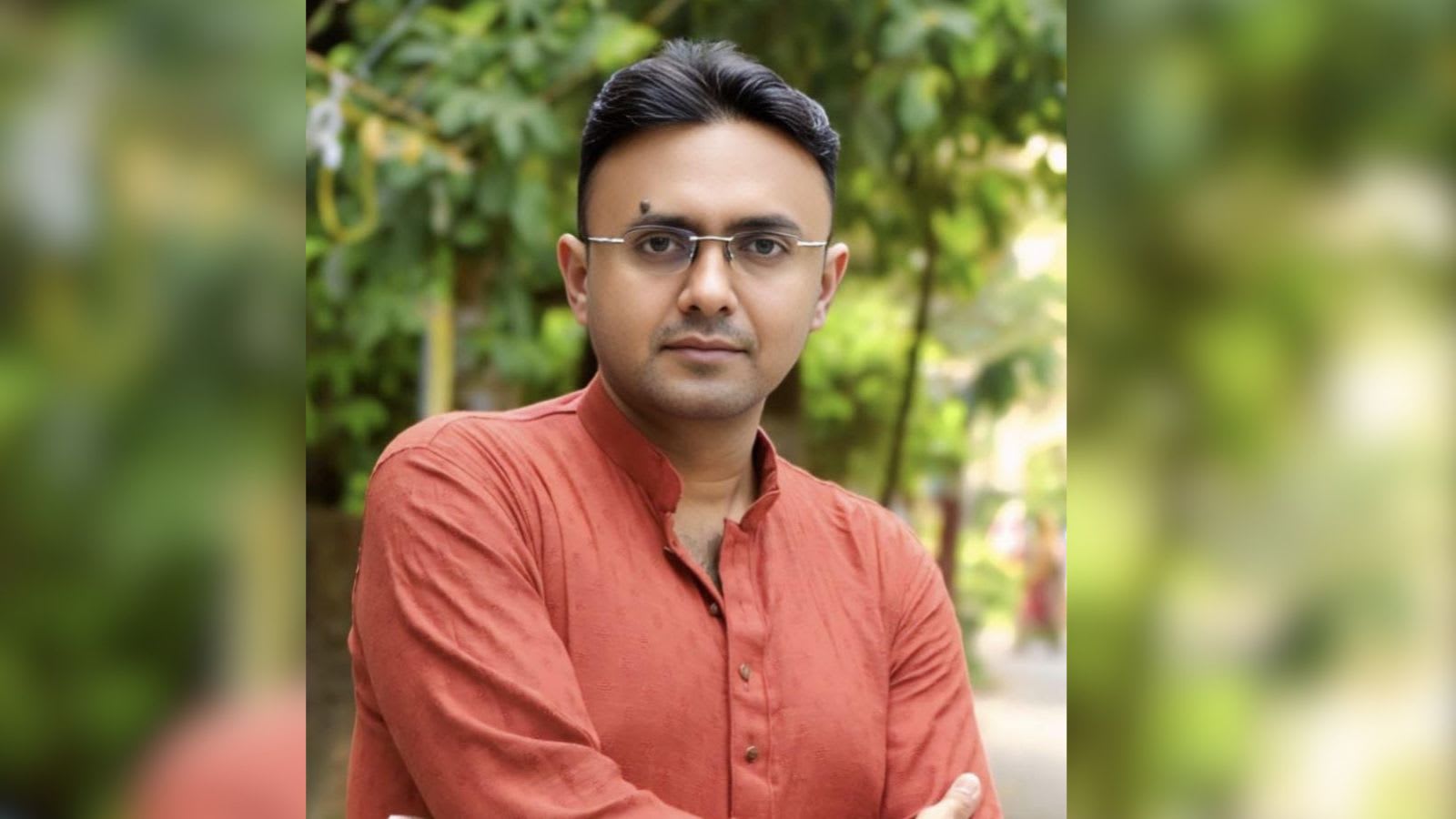
The West Bengal Police on Sunday night arrested 45-year-old CPI(M) leader Md Lahek Ali on charges of inciting mob violence and lynching that followed the alleged rape and murder of an 11-year-old girl...
Legal Action Against Political Leadership in Baruipur
The arrest of 45-year-old CPI(M) leader Md Lahek Ali marks a significant escalation in the legal response to the unrest in Baruipur, West Bengal. The incident was triggered by the heinous rape and murder of an 11-year-old girl, a crime that sparked immediate and intense public outrage. While the initial tragedy was a criminal act of extreme violence, the subsequent reaction devolved into mob justice, leading the West Bengal Police to intervene and arrest Ali on charges of inciting violence and participating in lynching activities.
The Catalyst: A Community in Trauma
The core of this volatility lies in the profound trauma experienced by the local community following the discovery of the 11-year-old girl's death. In many regions of India, crimes against children often act as a flashpoint for collective anger, where the perceived slowness of the judicial system leads citizens to seek immediate, albeit illegal, retribution. In Baruipur, this sentiment was weaponized, transforming a community's grief into a violent mob. The arrest of a political figure like Md Lahek Ali suggests that the violence was not merely spontaneous but was potentially steered or encouraged by individuals in positions of influence.
The Role of Political Incitement
Md Lahek Ali's alleged role in inciting the crowd highlights a dangerous intersection between political leadership and vigilante justice. When political figures lend their voice to mob sentiment, it provides a veneer of legitimacy to illegal acts, encouraging ordinary citizens to bypass the rule of law. By allegedly inciting lynching, Ali is accused of overriding the state's monopoly on violence and justice. This incident underscores the volatility of the political landscape in West Bengal, where party affiliations often intertwine with local grievances, sometimes leading to clashes between political cadres and law enforcement.
Sociopolitical Implications of Mob Violence
This event is reflective of a broader, concerning trend of mob lynching across various Indian states. The phenomenon often follows a pattern: a triggering event (such as a crime or a rumor), the rapid spread of information via social media, and the subsequent mobilization of a crowd. When leaders within the community or political sphere fail to call for calm and instead fuel the fire, the result is often a breakdown of civil order. The West Bengal Police's decision to arrest a CPI(M) leader indicates an attempt to signal that political stature will not grant immunity in cases involving the incitement of lethal violence.
Legal Ramifications and Police Strategy
The charges against Md Lahek Ali are severe, likely involving sections of the Indian Penal Code (IPC) related to promoting enmity between different groups, rioting, and abetment of murder. The police strategy in Baruipur appears to be focused on identifying the 'ringleaders' to dismantle the organizational structure of the mob. By targeting a known political figure, the authorities aim to deter others from using political platforms to organize illegal gatherings or incite violence. This legal battle will likely serve as a litmus test for how the state handles the overlap of political activism and criminal incitement.
Conclusion: The Path Toward Rule of Law
In summary, the arrest of Md Lahek Ali is a critical step in restoring order in Baruipur, but it also highlights the fragility of law and order in the face of extreme emotional trauma and political manipulation. While the community's anger over the murder of a child is entirely justified, the transition from grief to lynching represents a failure of the social contract. For the region to heal, there must be a dual pursuit of justice: a rigorous prosecution of the perpetrators of the child's murder and a firm legal stance against those who incite mob violence, regardless of their political affiliation.