Prayagraj launches week-long drive to recharge dwindling groundwater
Source Entity
Latest News: Today's Latest News Headlines from India & World | Hindustan Times | Hindustan Times
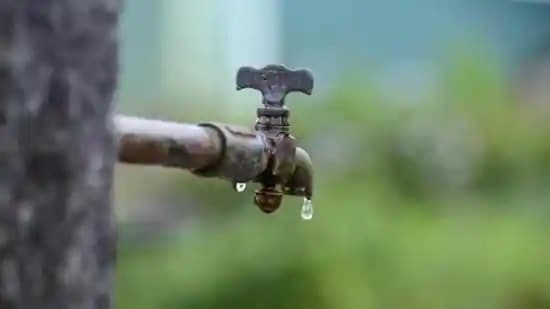
Prayagraj District Magistrate Manish Kumar Verma has launched a coordinated, week-long campaign ending July 22 to combat declining groundwater levels through integrated departmental action plans.
Combatting Water Scarcity: Prayagraj's Strategic Groundwater Recharge Drive
The administration of Prayagraj has taken a decisive step to address the critical issue of falling water tables. Under the direction of District Magistrate (DM) Manish Kumar Verma, a week-long intensive drive has been launched to recharge dwindling groundwater levels. This initiative, running through July 22, signifies an urgent administrative response to an escalating environmental crisis, emphasizing the need for systemic intervention rather than fragmented efforts to ensure the city's long-term water security.
A Coordinated Administrative Framework
A key feature of this campaign is the mandate for a "coordinated action plan." By directing all concerned departments to work in tandem, the DM is attempting to break down bureaucratic silos that often hinder environmental projects. This coordination likely involves the Public Works Department (PWD), the irrigation department, and urban local bodies. Such a synchronized approach is essential because groundwater recharge is a multi-faceted challenge—ranging from the desilting of traditional ponds and the creation of soak pits to ensuring that new urban infrastructure does not impede natural percolation.
Regional Hydrogeological Context
Prayagraj, situated at the confluence of the Ganga and Yamuna rivers, possesses a unique hydrogeological profile. However, rapid urbanization and the increasing demand for irrigation in the surrounding rural belts have put immense pressure on the local aquifers. When extraction rates for domestic and agricultural use exceed the natural recharge rate, the water table drops precipitously, leading to dried-up wells and increased mineral salinity. This drive is a direct attempt to reverse this trend by maximizing the absorption of seasonal precipitation into the earth.
Strategic Timing and the Monsoon Window
The timing of the drive, concluding on July 22, is strategically aligned with the peak of the Indian monsoon season. In Northern India, the window for effective groundwater recharge is narrow, coinciding with the heavy rainfall of June and July. By implementing recharge structures and cleaning catchment areas during this specific window, the administration ensures that the maximum volume of rainwater is diverted into the ground rather than flowing away as surface runoff, which often contributes to urban flooding and waste of a precious resource.
Broader Implications for Water Security
Beyond the immediate week-long drive, this move signals a shift toward proactive water security management. If the action plans developed during this period are sustained and monitored, Prayagraj could serve as a blueprint for other cities across Uttar Pradesh facing similar ecological stresses. Ensuring a stable groundwater level is not merely an environmental goal but an economic necessity, as water scarcity directly impacts agricultural yields in the periphery and increases the cost of living for urban residents who rely on deep-borewell systems.
Future Trends in Urban Water Management
Looking forward, this campaign likely marks the beginning of a transition toward "Sponge City" concepts in the region. The future of urban water management in Prayagraj will depend on integrating permeable pavements, mandatory rooftop rainwater harvesting, and the restoration of ancestral water bodies. The current drive acts as a critical catalyst, forcing government departments to identify vulnerable zones and map out recharge points that can be maintained as permanent infrastructure.
Conclusion
In summary, the initiative led by DM Manish Kumar Verma is a timely and necessary intervention to safeguard Prayagraj's most vital hidden resource. While a week-long drive provides the necessary initial momentum and organizational structure, the ultimate success will depend on the rigor of the departmental execution and the continued monitoring of aquifer levels. By prioritizing recharge today, the city is investing in its ecological resilience for the future.
Verification Required?