Four arrested for ₹2.9cr theft from Gujarat native in Vrindavan
Source Entity
Latest News: Today's Latest News Headlines from India & World | Hindustan Times | Hindustan Times
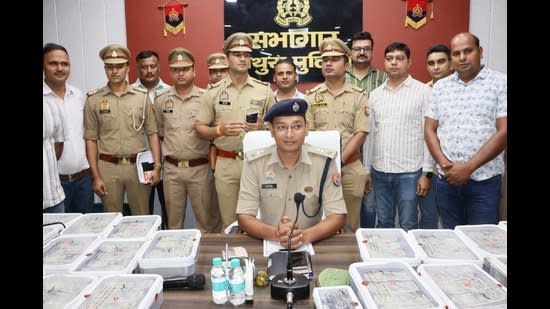
Mathura police have arrested four individuals for the theft of ₹2.9 crore from a Gujarat native in the Sunrakh area of Vrindavan, following a case registered on June 22 for an incident that occurred on June 9.
Analysis of the ₹2.9 Crore Theft in Vrindavan
Introduction
In a significant law enforcement operation in the Mathura district, authorities have successfully apprehended four suspects involved in a high-value heist. The incident involved the theft of ₹2.9 crore from a native of Gujarat who was visiting the spiritual hub of Vrindavan. This case highlights the vulnerabilities faced by high-net-worth pilgrims and visitors in densely populated religious centers, where the movement of large sums of cash can attract organized criminal elements.
Chronology and Procedural Timeline
According to the available reports, the crime occurred on June 9 in the Sunrakh area of Vrindavan, falling under the jurisdiction of the Jaint police station. A notable aspect of this case is the timeline between the occurrence of the crime and the official filing of the case, which did not happen until June 22. This delay of nearly two weeks suggests a period of initial confusion or perhaps a private attempt by the victim to recover the funds before involving the authorities. Despite this gap, the Mathura police were able to track the suspects and make four arrests, indicating a focused investigation once the formal legal process was initiated.
The Victim Profile and Target Selection
The victim, a native of Gujarat, represents a common target profile in pilgrimage sites like Vrindavan. Gujarat is known for its affluent business community, and individuals traveling from the state for spiritual purposes often carry significant assets or cash for donations and personal expenses. Criminal syndicates often monitor such visitors, leveraging the chaotic environment of crowded religious sites to execute thefts. The scale of the theft—₹2.9 crore—suggests that this was not a random act of opportunistic crime but likely a planned operation targeting a specific individual.
Geographic and Security Context of Sunrakh
The incident took place in the Sunrakh area, which is a peripheral yet active zone within the broader Vrindavan-Mathura region. The involvement of the Jaint police station underscores the localized nature of the policing effort. Religious hubs often struggle with a 'security paradox': while they attract millions of visitors, the infrastructure for surveillance and rapid response is often stretched thin. The ability of the police to resolve this case demonstrates a capability to navigate these complexities, though the incident itself points to gaps in the immediate safety of visitors in the Sunrakh vicinity.
Broader Implications for Religious Tourism
This event raises critical questions regarding the safety of domestic tourists in India's most visited spiritual cities. When high-profile thefts occur, it can create a perception of insecurity that may deter affluent visitors or lead to an increased reliance on private security. Furthermore, the carriage of such large amounts of cash (₹2.9 crore) is an anomaly in an increasingly digital economy, suggesting that some visitors still prefer traditional currency for religious offerings or personal transactions, which inadvertently increases their risk profile.
Future Trends and Preventative Measures
Looking forward, this case will likely prompt the Mathura and Vrindavan administrations to enhance CCTV surveillance and increase police patrolling in areas like Sunrakh. There is a growing trend toward 'Smart City' initiatives in religious hubs, which include integrated command and control centers to monitor crowd movements and criminal activity in real-time. For visitors, this incident serves as a stark reminder of the necessity of using secure banking channels rather than carrying large sums of physical currency during travel.
Conclusion
The arrest of the four suspects brings a measure of justice to the victim and reinforces the authority of the Jaint police station in maintaining order. While the recovery of the full amount remains a primary objective, the swift apprehension of the culprits serves as a deterrent to other criminal elements operating within the Mathura district. The case stands as a pivotal example of the intersection between religious tourism, high-value crime, and the subsequent challenges of law enforcement in a crowded urban-spiritual landscape.
Verification Required?