Eight injured as crane topples onto houses in Mumbai’s Kurla
Source Entity
India Latest News: Top National Headlines Today & Breaking News | The Hindu
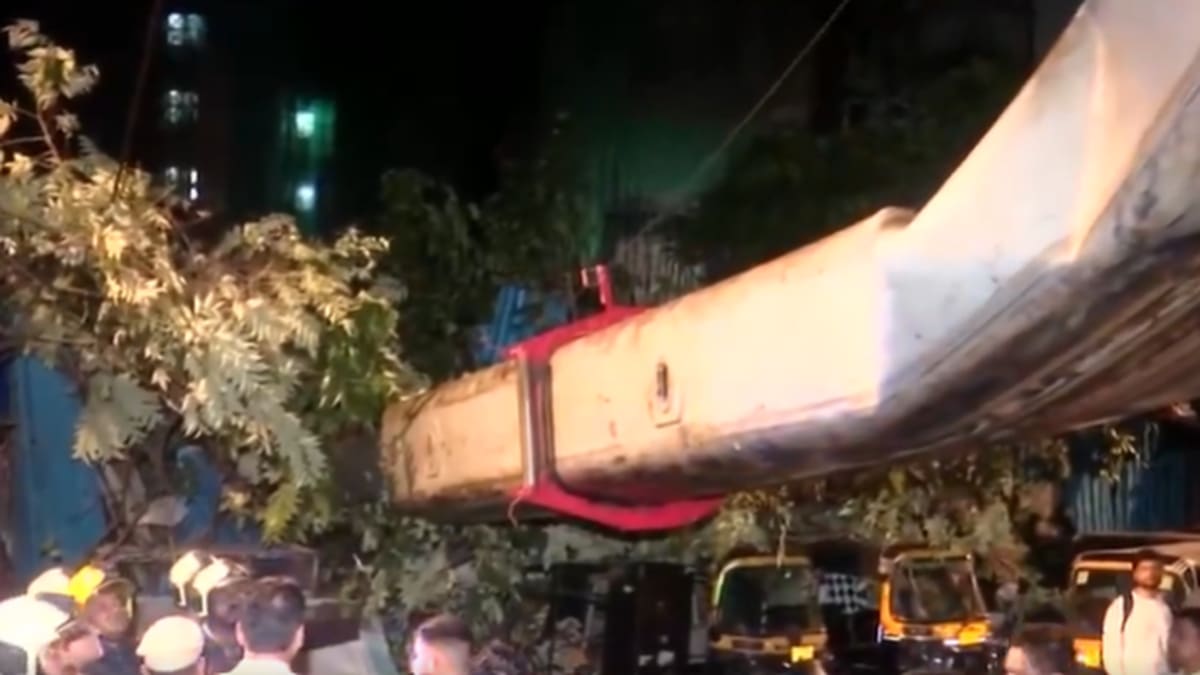
A crane collapsed during a demolition operation in Kurla, Mumbai, injuring at least ten people and damaging railway overhead equipment. While the incident caused significant structural damage, train services remained operational as the site handles only goods traffic.
Construction Accident in Kurla: An Analysis of the Crane Collapse
Overview of the Incident
In the early hours of Friday, at approximately 2:40 a.m., a significant industrial accident occurred in the Qureshi Nagar area of Kurla, Mumbai. A crane, which was being deployed for an eviction and demolition operation, suffered a mechanical failure and collapsed. The impact of the falling machinery caused injuries to at least ten individuals and resulted in substantial damage to the overhead equipment (OHE) of the nearby Kurla-Trombay railway section. The incident serves as a stark reminder of the risks associated with large-scale urban infrastructure and demolition projects in densely populated areas.
Operational Context and Responsibility
The incident took place as teams were preparing for a planned eviction and demolition operation managed by the Maharashtra Housing and Area Development Authority (MHADA). Reports indicate that the accident occurred while the crane was being mounted using a hydraulic excavator. Central Railway officials have pointed to the Mumbai Metropolitan Region Development Authority (MMRDA) regarding the provenance of the equipment involved. This attribution of responsibility underscores the complex multi-agency coordination required for urban development projects in Mumbai, where railway land and municipal infrastructure often intersect.
Impact on Infrastructure and Safety
While the physical damage to the OHE was significant—with the crane arm reportedly breaking in half—the operational impact on Mumbai's vital railway network was mitigated by the location of the event. Because the affected Kurla-Trombay section is primarily designated for goods traffic rather than passenger transport, the collapse did not cause widespread disruption to the city's commuter services. However, the injury count, with victims transported to Sion Hospital and Kurla Bhabha Hospital, highlights the immediate human cost of the failure to maintain strict safety protocols during high-risk demolition tasks.
Broader Implications for Urban Safety
This event raises critical questions regarding safety oversight in Mumbai’s rapid urban expansion. Demolition operations in congested neighborhoods like Kurla necessitate rigorous structural assessments and precise machinery handling. The fact that the crane collapsed during the setup phase suggests a potential failure in equipment stability or operational procedure. As Mumbai continues to undergo massive infrastructure changes, the intersection of private, municipal, and railway interests demands a higher threshold of accountability to prevent such hazards from recurring.
Future Trends and Regulatory Needs
Looking forward, this incident will likely trigger a formal inquiry into the safety protocols followed by the agencies involved. For the future, it is expected that authorities will implement stricter guidelines regarding the placement of heavy machinery near critical infrastructure like railway lines. Ensuring that specialized contractors adhere to rigorous safety standards during eviction drives is essential for the protection of both the workers on-site and the residents in surrounding areas. The reliance on heavy equipment in tight urban spaces remains a significant operational challenge that necessitates both technological improvements in machinery and more stringent site management.
Verification Required?