Woman in soup for ‘We are Gen Z’ remark
Source Entity
HADI KHAN
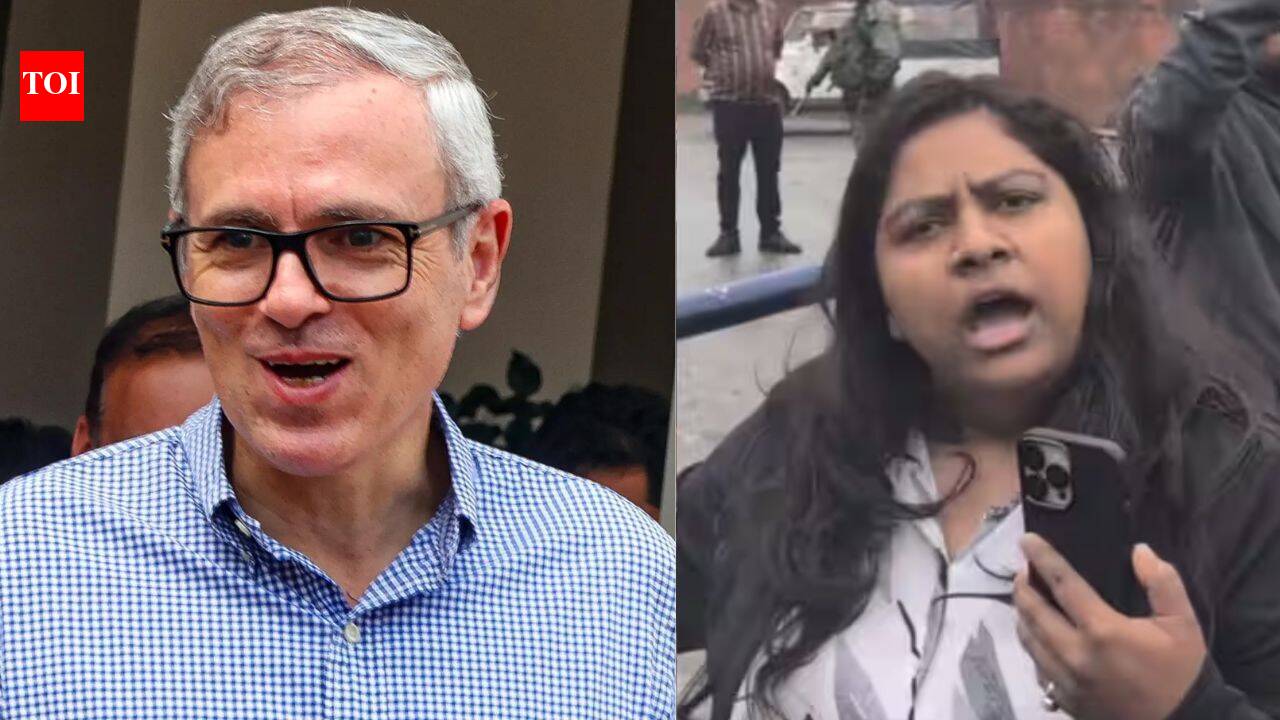
A viral video of a tourist arguing with security personnel at a Ladakh checkpoint has sparked a national debate on public conduct. J&K CM Omar Abdullah criticized the use of 'Gen Z' as a sense of entitlement, while the individual involved has since apologized and claimed the footage was misrepresented.
The 'Gen Z' Entitlement Debate: Analyzing the Ladakh Checkpoint Incident
The Incident at Minimarg
A viral video featuring a young woman arguing with security personnel at the Minimarg checkpoint in Ladakh has ignited a significant public discourse regarding the expectations of tourists in sensitive border regions. The individual, caught on camera claiming, "We are Gen Z and we are not going to tolerate this," was protesting a five-hour wait caused by VIP movement. This event, occurring in the lead-up to Kargil Vijay Diwas, placed the interaction in a highly charged atmosphere where security protocols are paramount.
Political Commentary and Social Implications
Jammu and Kashmir Chief Minister Omar Abdullah weighed in on the controversy, drawing a sharp comparison between the "We are Gen Z" declaration and the infamous Indian trope of "jaanta hai mera baap kaun hai" (do you know who my father is). Abdullah’s critique highlights a growing concern among public figures that generational identity is being weaponized to bypass rules or express entitlement. He warned that such behavior risks eroding the goodwill currently afforded to the younger generation.
The Role of Security in Sensitive Zones
The incident has brought the conduct of tourists in border regions into the spotlight. Given that Ladakh and the Kargil district are strategically sensitive areas, security checkpoints are non-negotiable. Former army officers have joined the chorus of criticism, condemning the behavior toward uniformed personnel. The debate centers on the tension between the rights of civilians and the absolute necessity of maintaining security discipline, especially during periods of high-profile commemorative events.
The Subject's Response and Media Context
In the aftermath of the viral spread, the 25-year-old woman involved has sought to clarify her position. She alleged that the video is over a month old and that her words were portrayed in a "bad light" to defame her. She has since issued an apology to the Indian Army, emphasizing her respect for the armed forces. This defense raises questions about the nature of viral content and the speed at which social media can escalate a local, isolated disagreement into a national political commentary.
Broader Trends in Tourist Conduct
This event reflects a broader trend of friction between modern, assertive travelers and the rigid, functional requirements of government and security infrastructure. As tourism in Ladakh continues to grow, incidents of this nature highlight the need for greater public awareness regarding the reality of traveling in high-security, mountainous, and strategic zones. The incident serves as a cautionary tale for how personal frustrations can be misinterpreted or amplified when social media is used as a tool for public confrontation.
Conclusion
Ultimately, the 'Gen Z' remark has become a lightning rod for a larger conversation about respect for authority and the limits of individualism in the public sphere. While the woman involved claims a misrepresentation of facts, the strong reaction from leadership like Omar Abdullah underscores that the public is increasingly intolerant of perceived entitlement, particularly when directed at those responsible for national security.
Multiple Citing Sources