Several injured after crane collapses in Mumbai’s Kurla
Source Entity
The Indian Express
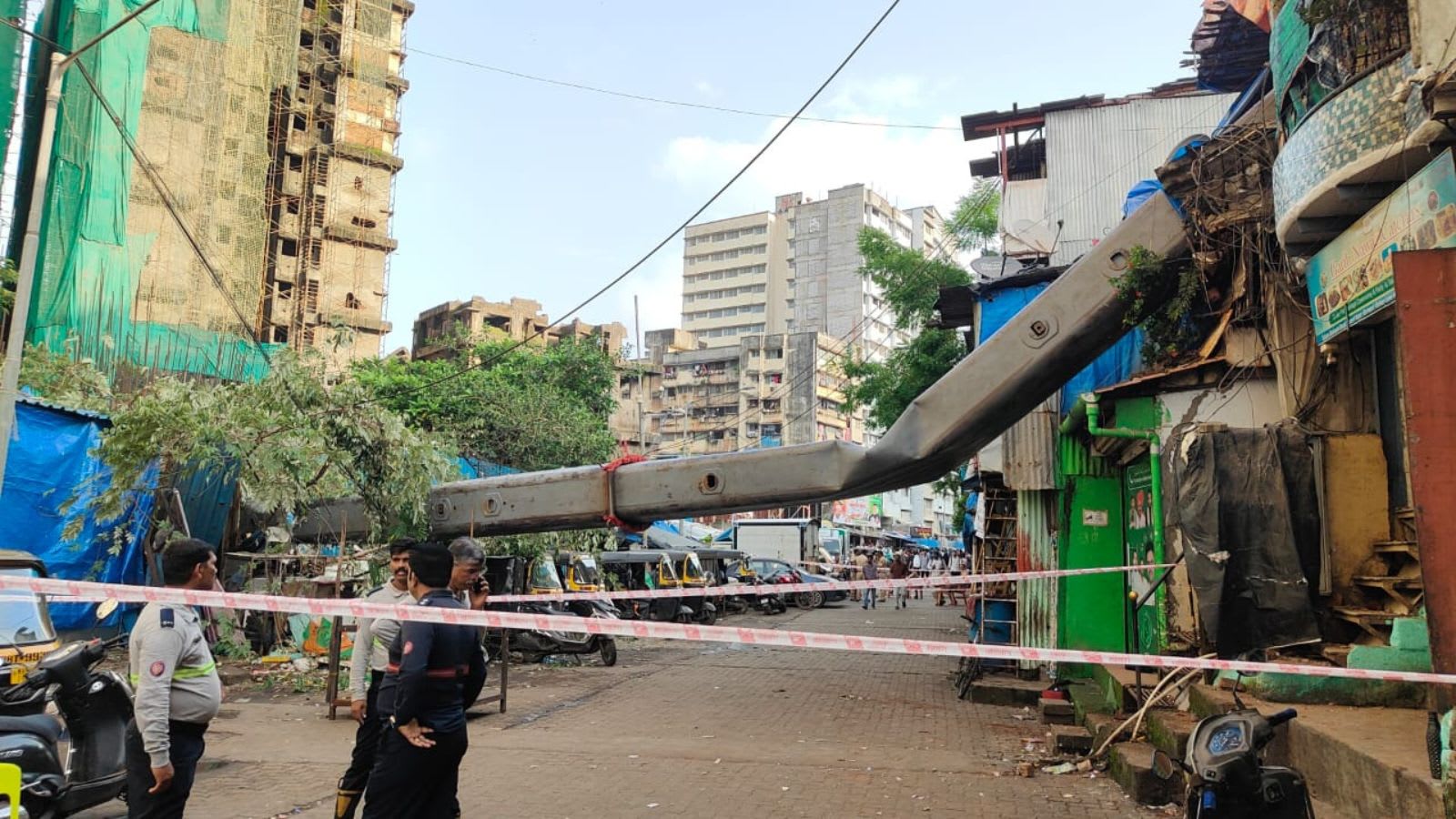
A crane collapse during an eviction operation in Mumbai's Kurla neighborhood left at least 10 people injured. The accident damaged railway overhead equipment, though goods train operations remained unaffected.
Analysis of the Crane Collapse Incident in Kurla, Mumbai
Overview of the Incident
In the early hours of Friday, a significant industrial accident occurred in the Qureshi Nagar area of Kurla, Mumbai, when a crane collapsed during an eviction and demolition operation. The incident, which took place at approximately 2:40 am, resulted in at least 10 individuals sustaining injuries. The collapse occurred as the crane was being mounted using a hydraulic excavator, leading to a structural failure where the crane arm nearly broke in half. The immediate aftermath saw injured victims being transported to local medical facilities, including Sion Hospital and Kurla Bhabha Hospital, for urgent care.
Impact on Infrastructure and Railway Operations
Beyond the human toll, the crane collapse caused secondary damage to critical infrastructure. The crane fell onto the overhead equipment (OHE) of the railway line that runs through the Kurla-Trombay section. While such an event poses significant safety risks, Central Railway officials confirmed that train movement was not disrupted because the affected section is primarily designated for goods traffic rather than passenger transport. This averted what could have been a much larger logistical crisis for Mumbai's already strained railway network.
Accountability and Institutional Responsibility
The incident has sparked a debate regarding oversight and safety protocols during urban development and eviction drives. Reports indicate that the crane was deployed by the Mumbai Metropolitan Region Development Authority (MMRDA) at a nearby work site. Central Railway has explicitly stated that the responsibility for the collapse rests with the MMRDA. Simultaneously, the Maharashtra Housing and Area Development Authority (MHADA) was noted to be present at the site to conduct a demolition operation, highlighting the involvement of multiple municipal and state agencies in the vicinity of the accident.
Safety Concerns in Urban Demolition
The mechanics of the collapse—specifically that it happened while the crane was being mounted—suggest potential lapses in operational safety standards. Large-scale eviction and demolition operations in dense urban environments like Kurla require rigorous risk assessment and the use of certified equipment. The fact that the crane arm failed so catastrophically raises questions about the maintenance schedules and safety inspections conducted on machinery utilized for high-stakes urban projects.
Broader Implications and Future Trends
This event underscores the inherent risks associated with the rapid infrastructure expansion and urban renewal projects currently underway across Mumbai. As the city continues to push for modernization and slum redevelopment, the frequency of such industrial accidents serves as a grim reminder of the need for stricter enforcement of safety regulations. Moving forward, the investigation into this incident will likely focus on whether the machinery was operated by qualified personnel and if the structural integrity of the crane met the necessary safety certifications for such a volatile operation.
Conclusion
While it is fortunate that no fatalities were reported, the injury of 10 people in Kurla highlights a critical need for greater accountability among state agencies managing demolition projects. The incident serves as a call to action for authorities to prioritize worker and public safety over the speed of execution in future development drives. As the investigation continues, the focus remains on the recovery of the injured and the determination of liability between the involved government bodies.
Multiple Citing Sources