5 Iranian oil tankers attacked, US base in Jordan hit, Tehran's evacuation warning: How war escalated again
Source Entity
Latest News: Todays Latest News Headlines from India & World | Hindustan Times | Hindustan Times
Crude oil prices are surging toward $100 a barrel as military tensions between the U.S. and Iran reach a critical peak. The conflict, involving retaliatory strikes on tankers and regional bases, threatens global energy supply chains.
The Geopolitical Pressure on Global Energy Markets
The global energy landscape is currently undergoing a period of extreme volatility as the long-standing tensions between the United States and Iran have escalated into direct military confrontation. Following a series of tit-for-tat strikes, Brent crude has climbed near the $100-a-barrel threshold, signaling deep market anxiety. This surge is not merely a reaction to isolated incidents but reflects a broader systemic fear regarding the security of vital oil transit routes in the Middle East.
The Strategic Conflict and Supply Disruptions
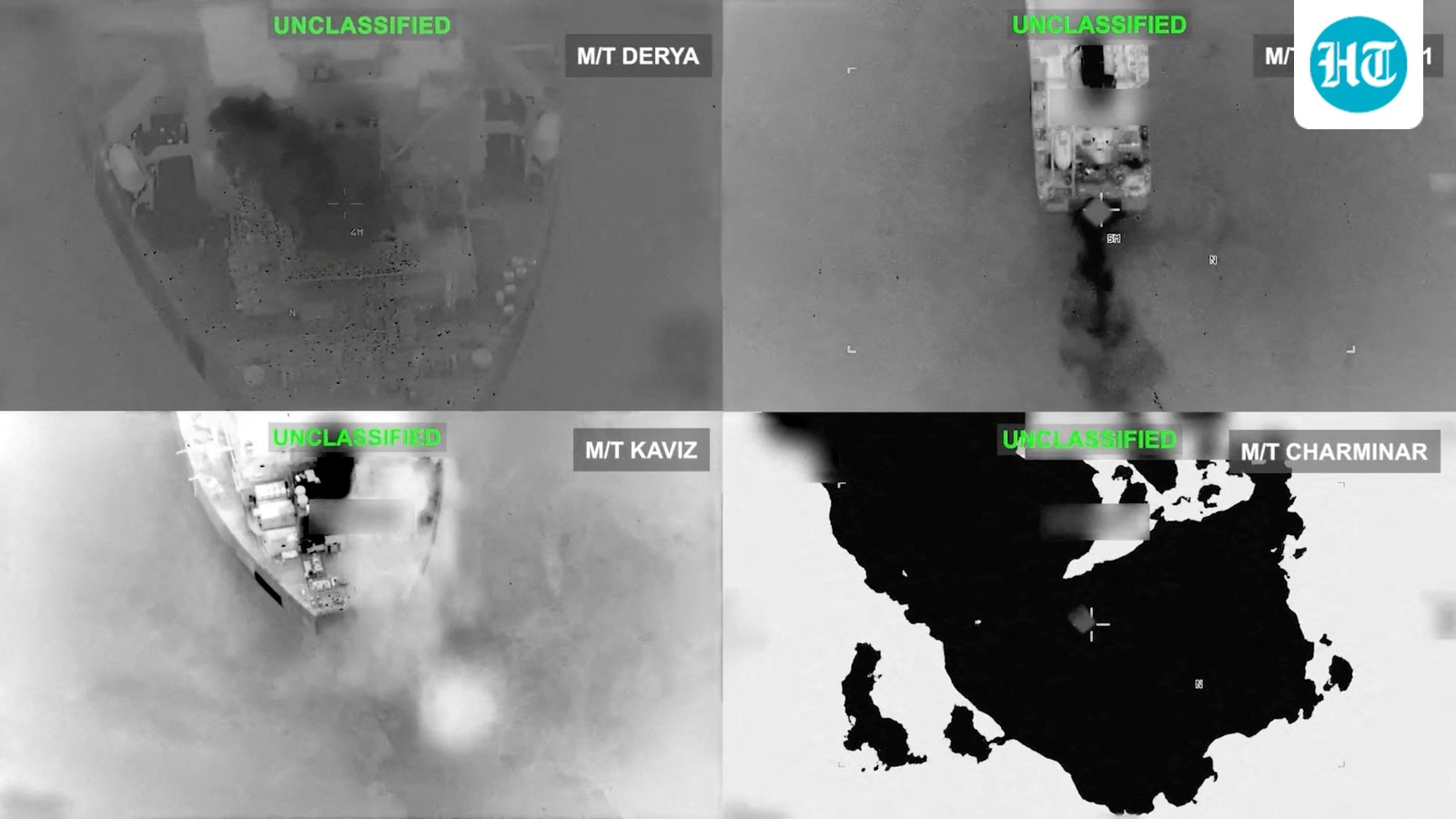
The recent military engagement saw the U.S. Central Command (Centcom) destroy five Iranian crude tankers, including vessels linked to the Revolutionary Guards Corps (IRGC) in the Gulf of Oman and near Kharg Island. This move was a direct retaliation for Iranian attempts to target an American warship. The intensity of these exchanges, which have been ongoing for seven months, has severely compromised the stability of regional energy exports, particularly as the Strait of Hormuz faces closure, forcing Saudi Arabia and other producers to rely on increasingly precarious alternative shipping routes.
Regional Instability and Defensive Responses
The scope of the conflict expanded significantly when Tehran launched a missile barrage against a U.S. base in Jordan. While the Jordanian military successfully intercepted 18 of the 20 incoming missiles using its air defense systems, the attempt demonstrates the reach and volatility of the current hostilities. This escalation represents a significant shift from the initial conflict that began on February 28, moving from targeted regional skirmishes to a broader confrontation that directly threatens sovereign territory and international commercial shipping.
Economic Implications and Future Projections
Market analysts, including Daan Struyven, have warned that if the pattern of attacks on shipping continues, oil prices could feasibly breach the $120-a-barrel mark. Such a price shock would have profound implications for global inflation and the cost of living, as energy remains the primary input for global logistics and manufacturing. The current trajectory suggests that energy markets will remain hyper-sensitive to any further movement of naval assets or intelligence reports regarding base security in the Middle East.
Conclusion: A Precarious Path Forward
As the world watches these developments, the risk of a sustained supply chain disruption remains the primary driver of market sentiment. With the U.S. and Iran locked in a cycle of retaliation, the immediate future for energy prices remains tied to the capacity for diplomatic de-escalation. Until a period of relative calm is established, traders and policy-makers alike should expect continued upward pressure on crude benchmarks, reflecting the high risk of further regional instability.
Verification Required?