Cuba Blackout: 4th Power Cut Of 2026 Hits Caribbean Nation Amid Fuel Crisis
Source Entity
Latest News: Today's Latest News Headlines from India & World | Hindustan Times | Hindustan Times
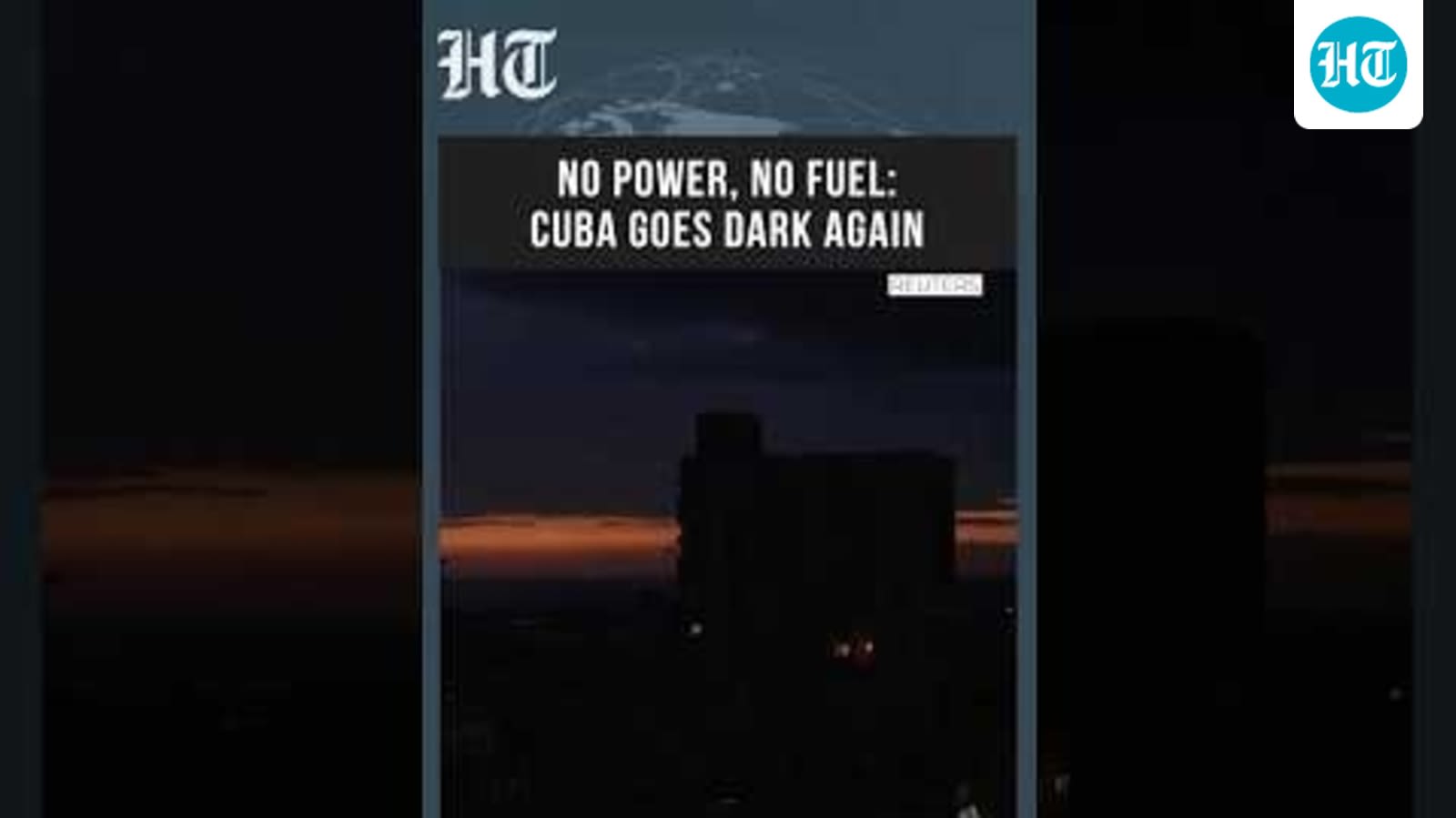
Cuba faced its fourth nationwide blackout of 2026 as power supplies remain unstable amid a dire fuel crisis.
The Escalating Energy Crisis in Cuba
The Caribbean nation of Cuba is once again grappling with severe energy instability, as it endures its fourth nationwide blackout of 2026. This latest outage is not merely a technical failure but a direct consequence of a deepening fuel crisis that has left the national power grid unable to meet basic demand. As the country faces these recurring disruptions, the fragility of its energy infrastructure has become a central concern for both domestic stability and international observers.
The Mechanics of the Fuel Shortage
The primary driver behind this systemic failure is the acute shortage of fuel required to power the nation's thermal power plants. Without a consistent supply of petroleum and other essential liquid fuels, the utility providers are forced to implement load-shedding protocols or suffer uncontrolled collapses of the grid. This fourth blackout of the year highlights a pattern where fuel reserves are insufficient to sustain the continuous operation required by a modernizing, yet strained, electrical network.
Historical Context and Structural Vulnerabilities
Historically, Cuba's energy security has been heavily dependent on external fuel imports and the stability of international trade relations. The recurring nature of these blackouts in 2026 suggests that the structural vulnerabilities of the Cuban grid—ranging from aging infrastructure to a lack of diversified energy sources—are being exacerbated by current economic pressures. This cycle of instability reflects a long-standing struggle to balance domestic energy needs with limited resource availability.
Socio-Economic and Humanitarian Implications
The impact of these blackouts extends far beyond simple darkness. The socio-economic consequences are profound, affecting everything from industrial productivity to the basic functioning of healthcare facilities. For the average citizen, the loss of power means interrupted access to refrigeration, water pumping systems, and communication networks. These disruptions create a compounding effect on the economy, hindering small businesses and placing an immense strain on the country's social services.
Future Trends and Energy Outlook
Looking ahead, the frequency of these power cuts is likely to remain a critical issue unless significant interventions are made in the energy sector. Trends suggest that without a major shift toward renewable energy integration or the establishment of more reliable fuel supply chains, the nation will continue to face periodic grid failures. The volatility of the current situation points toward a period of continued uncertainty for Cuba's energy management and economic recovery efforts.
Summary of the Situation
In conclusion, the fourth nationwide blackout of 2026 serves as a stark indicator of the critical intersection between fuel scarcity and energy insecurity in Cuba. As the nation navigates this ongoing crisis, the ability to stabilize the power supply will be paramount to preventing further socio-economic decline and ensuring the basic needs of the population are met.
Verification Required?