Micron’s stock extends declines as China competition heats up
Source Entity
Britney Nguyen
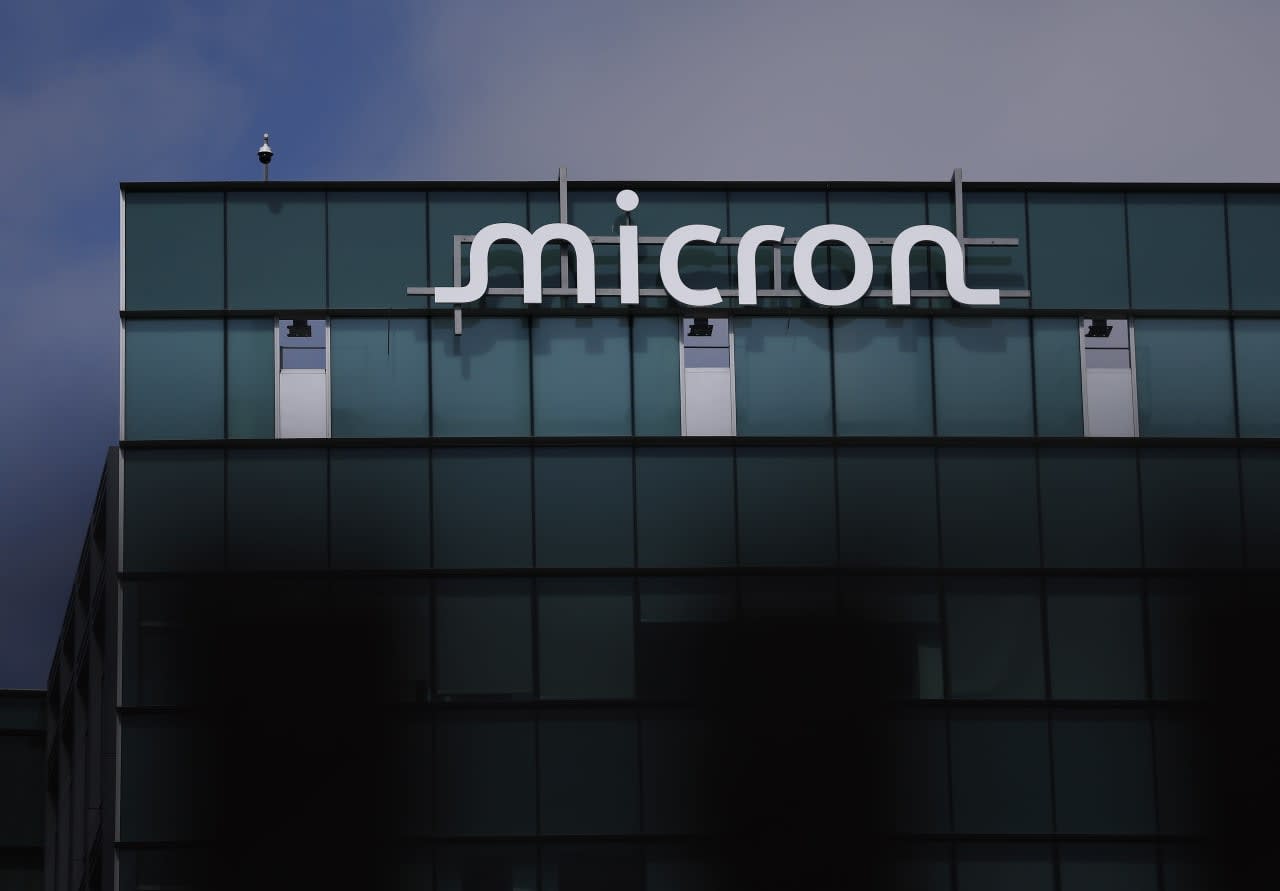
Chinese chipmaker CXMT's breakthrough in memory density has triggered a global sell-off in semiconductor stocks. Major players like Micron, Samsung, and SK Hynix face increased market pressure as competition from China intensifies.
The Rise of CXMT and the Global Memory Chip Rout
Recent reports confirm a significant market upheaval as ChangXin Memory Technologies (CXMT), China’s leading memory chipmaker, announced substantial progress in its architecture. By increasing memory density—allowing for more data to be packed into a smaller physical space—CXMT has moved from a relatively obscure entity to a formidable challenger against established industry giants. This development has sent shockwaves through the global semiconductor sector, triggering a widespread stock sell-off that has wiped billions in market valuation from major players.
Market Reaction and Investor Sentiment
The immediate impact of this announcement was a sharp decline in share prices for global memory leaders. Micron Technology saw its stock fall by 3.7% in premarket trading, extending previous declines, while South Korean giants SK Hynix and Samsung Electronics experienced more severe losses of 10% and 7.4% respectively. The contagion spread rapidly, affecting ancillary memory-related companies such as SanDisk, Seagate, and Western Digital. Investors, clearly spooked by the prospect of a new, highly efficient competitor entering a market previously dominated by a handful of firms, have reacted with defensive selling.
The Strategic Significance of Memory Density
At the core of the market panic is the technical advancement reported by CXMT. In the semiconductor industry, memory density is a primary metric for efficiency and performance. By mastering the ability to pack more data into smaller designs, CXMT is directly challenging the competitive moat established by Micron, Samsung, and SK Hynix. Even prominent industry voices like Elon Musk have acknowledged that Chinese memory-chip makers are catching up, underscoring the growing realization that the technological gap between Chinese firms and global leaders is narrowing significantly.
Broad Implications for the Semiconductor Landscape
This event highlights the precarious nature of the global chip supply chain, which is currently grappling with high demand driven by the AI boom. While industry analysts often point to AI as a catalyst for growth, the sudden emergence of a capable Chinese rival introduces a new variable: price competition and market share erosion. For South Korean markets, where Samsung and SK Hynix account for more than half of the benchmark KOSPI index, this volatility represents a systemic risk that could dampen national economic indicators if the trend continues.
Historical Context and Future Outlook
Historically, the memory chip market has been defined by high barriers to entry and intense R&D requirements. For years, the 'Big Three'—Micron, Samsung, and SK Hynix—have maintained a tight oligopoly. CXMT’s progress signals a shift in this dynamic, suggesting that China’s investment in domestic semiconductor independence is yielding tangible, market-moving results. Moving forward, the industry will likely see increased pressure on margins as incumbents face a choice: accelerate their own innovation cycles or engage in a price war to defend their market share against an emboldened CXMT.
Conclusion
The market rout triggered by CXMT is more than a temporary correction; it is a clear indicator that the competitive landscape of the global memory chip industry is undergoing a structural change. As Chinese manufacturers demonstrate the capability to produce advanced architectures, the dominance of traditional global players is being tested in real-time. Investors and stakeholders alike must now contend with a more crowded and aggressive marketplace, where technological parity is no longer a distant threat but a present reality.
Verification Required?