Liquor outlets to remain closed in Cyberabad for final Ganesh idol immersion
Source Entity
India Latest News: Top National Headlines Today & Breaking News | The Hindu
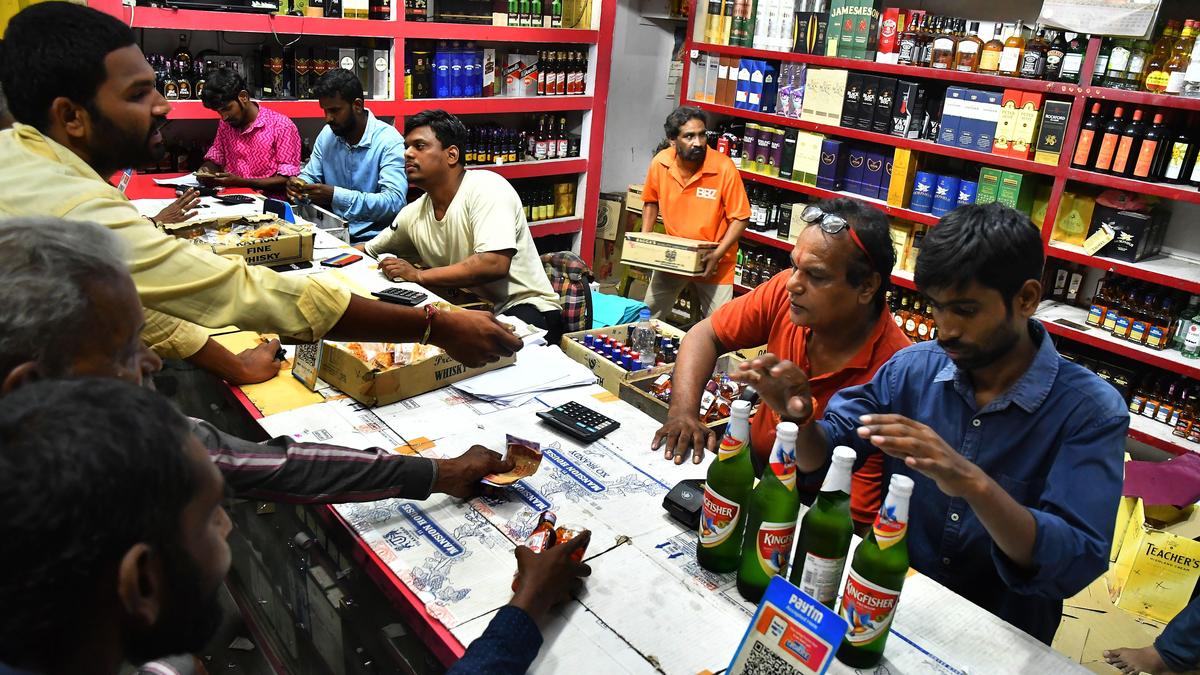
Cyberabad police have ordered a 24-hour closure of liquor outlets on September 25 to ensure public order during Ganesh idol immersions. The mandate, issued under the Telangana State Excise Act, excludes star hotels and registered clubs.
Maintaining Public Order During Ganesh Chaturthi
The Cyberabad Police Commissionerate has implemented a strategic regulatory measure ahead of the final Ganesh idol immersion, scheduled for September 25. By ordering the closure of wine shops, toddy outlets, and restaurant-attached bars for a 24-hour period, authorities aim to mitigate potential disturbances and maintain public tranquility during one of the region's most significant cultural and religious events.
Regulatory Framework and Legal Basis
This directive, issued by Commissioner of Police M. Ramesh, draws its authority from Section 20 of the Telangana State Excise Act, 1968. This section empowers local authorities to regulate or prohibit the sale of liquor during periods where public peace might be compromised. The specific window of closure—from 6 a.m. on September 25 to 6 a.m. on September 26—is designed to cover the peak hours of the immersion processions, ensuring that the environment remains orderly as large crowds gather for the final rituals.
Strategic Exemptions and Scope
While the mandate is broad, it includes specific nuances. Bars located within star hotels and registered clubs are exempted from the closure. This distinction reflects a policy balance, acknowledging the needs of high-end hospitality venues while strictly controlling the availability of alcohol in more accessible, high-traffic commercial zones where public congregation is most intense. This approach minimizes the impact on tourism and private club operations while maintaining the primary objective of crowd management.
Operational Oversight and Security
Beyond the liquor restrictions, Commissioner M. Ramesh has taken a hands-on approach to security, including a personal inspection of the Malkam Cheruvu lake. His review of the infrastructure—specifically the heavy-duty cranes and the baby pond facilities—underscores the logistical complexity of the immersion process. Ensuring these physical assets are prepared is just as critical to public safety as the administrative orders regarding alcohol sales.
Broader Implications for Urban Management
This preemptive measure serves as a template for urban law enforcement in India during large-scale public festivals. By controlling variables that can exacerbate rowdy behavior or impede emergency response times, the Cyberabad police are prioritizing the safety of the thousands of devotees expected to participate. As urban centers like Cyberabad continue to grow, the reliance on such administrative tools becomes increasingly vital for managing the intersection of religious expression and public safety.
Future Trends in Festival Policing
Looking ahead, it is likely that authorities will continue to refine these "dry period" protocols based on data from previous years. The coordination between excise departments and police commissioners represents a holistic approach to city management. As the scale of cultural celebrations grows in tandem with the city's population, such rigorous oversight will remain a cornerstone of preventing accidents and maintaining the peaceful character of these significant cultural milestones.
Verification Required?