UK also affected by cyber-attack which hit European supermarket fridges
Source Entity
BBC News
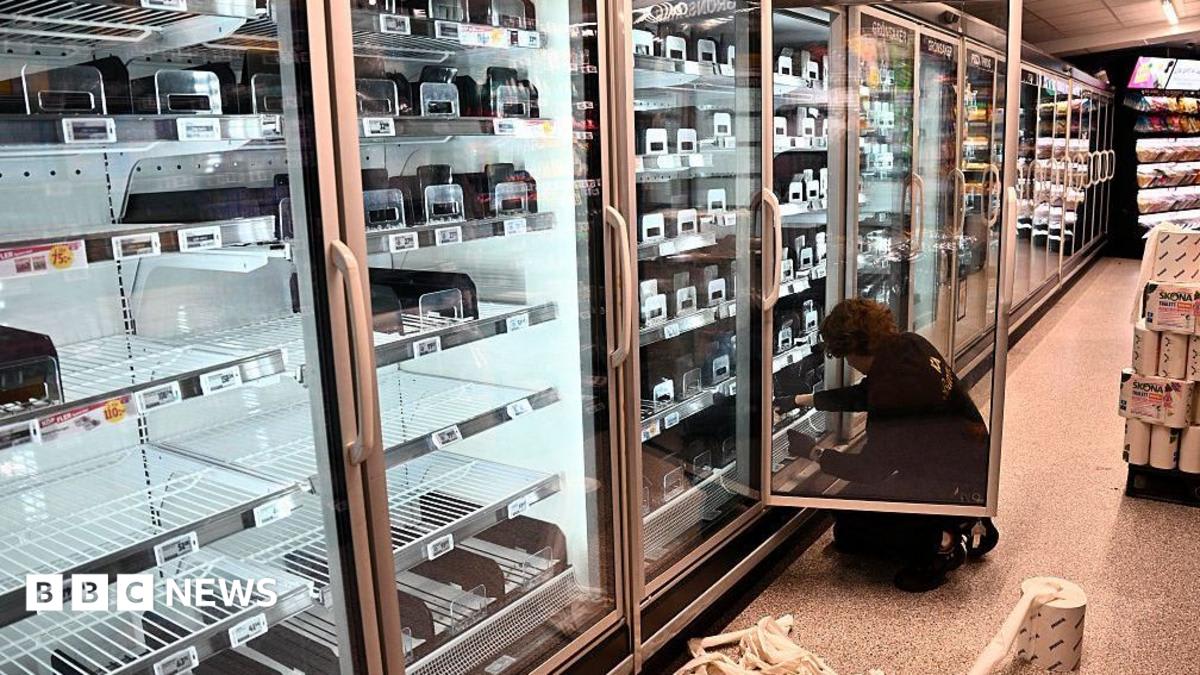
A wave of suspected cyberattacks has targeted commercial freezer systems across US military bases and European supermarkets, causing significant food spoilage. Authorities are currently investigating these remote temperature manipulations, which have reached extreme levels in some instances.
The Growing Threat to Global Cold Chain Infrastructure
In a concerning development for global supply chain security, a series of suspected cyberattacks has targeted commercial refrigeration systems across both the United States and Europe. The incidents, which involve the unauthorized remote manipulation of industrial freezer temperatures, have led to significant food spoilage and triggered high-level investigations by defense and cybersecurity agencies.
Targeting the US Military Supply Chain
In August, the Pentagon launched a formal investigation into malfunctions at approximately six military commissaries. These on-base grocery stores, which serve service members and their families, experienced critical failures where walk-in freezers—such as the incident reported at Fort Huachuca in Arizona—unexpectedly shifted into defrost mode. This deliberate adjustment, currently being probed by US Cyber Command and Defense Department law enforcement, highlights a potential vulnerability in the digital infrastructure supporting military logistics.
A Transatlantic Pattern of Sabotage
This domestic issue is part of a larger, alarming trend across Europe. Major supermarket chains, including Delhaize in Belgium and Luxembourg, as well as ICA and Coop in Sweden, have reported similar breaches. These incidents are not merely technical glitches; they represent coordinated interference. In Sweden, store operators reported that freezer temperatures were remotely manipulated to reach 50 degrees Celsius (122 degrees Fahrenheit), ensuring the total loss of perishable inventory.
Vulnerabilities in Industrial IoT
The Food and Agriculture Information Sharing and Analysis Center (ISAC) has issued urgent warnings regarding the inherent vulnerabilities in modern food storage systems. As commercial refrigeration units become increasingly connected to the Internet of Things (IoT), they create new attack vectors for malicious actors. These systems, often optimized for remote management, may lack the robust security protocols required to defend against sophisticated cyber intrusion.
Broader Implications and International Cooperation
The scale of these attacks, spanning Belgium, Sweden, Luxembourg, Estonia, and Ireland, has prompted significant international coordination. Authorities are currently working to determine the identity of the perpetrators and the specific technical methods used to bypass security layers. While the motives remain unclear, the economic impact is substantial, with millions of euros in food waste recorded across the affected European retail sectors.
Future Trends and Security Outlook
Looking ahead, the intersection of food security and cybersecurity will likely become a primary focus for national infrastructure protection. As these incidents demonstrate, the digitalization of critical infrastructure—including the cold chain—introduces risks that extend far beyond data theft, directly threatening physical resources. Stakeholders must now prioritize the hardening of IoT-enabled appliances to prevent future waves of systemic sabotage that could undermine both retail stability and military readiness.
Multiple Citing Sources