Freezers of UK meat suppliers heat up after cyber-attacks in Europe
Source Entity
Dan Milmo and Robert Booth
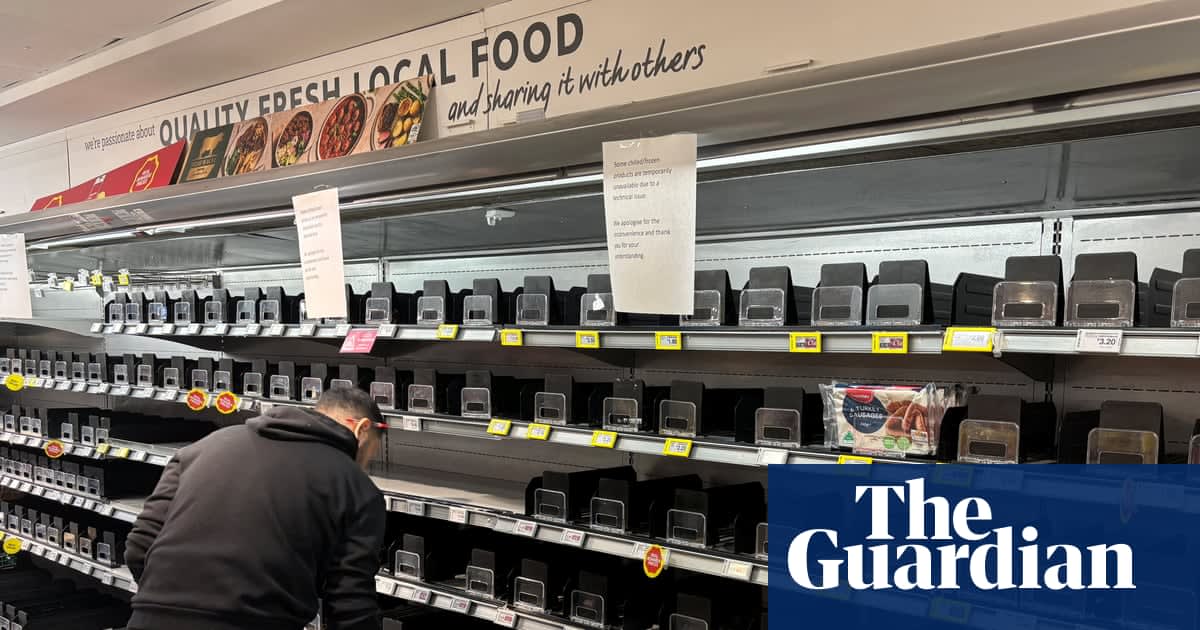
US military bases and European supermarkets are investigating a series of suspected cyberattacks that remotely sabotaged commercial freezer systems. The incidents caused significant food spoilage and prompted warnings from food security experts regarding industrial infrastructure vulnerabilities.
The Growing Threat of Industrial IoT Sabotage
The recent wave of freezer malfunctions across US military bases and European supermarket chains represents a concerning evolution in cyber warfare and industrial espionage. By targeting the Internet of Things (IoT) infrastructure governing food storage, attackers have demonstrated the ability to cause tangible, physical damage to critical supply chains. In August, approximately six US military commissaries reported spoiled inventory after cooling systems were remotely adjusted, a tactic that mirrors incidents currently under investigation across Belgium, Sweden, Luxembourg, Ireland, and Estonia.
Patterns of Digital Sabotage
The technical signature of these attacks appears consistent across international borders. In several instances, including at an ICA Kvantum store in Sweden, cooling systems were remotely set to extreme temperatures—reaching as high as 50 degrees Celsius (122 Fahrenheit). This deliberate manipulation of environmental controls effectively weaponizes standard commercial hardware to force the destruction of perishable goods. The coordination between the US Cyber Command and French authorities suggests that this is being treated as a sophisticated, potentially state-sponsored or organized criminal operation rather than isolated technical glitches.
Vulnerabilities in Commercial Infrastructure
The Food and Agriculture Information Sharing and Analysis Center (FAISAC) has issued urgent warnings regarding the inherent vulnerabilities in modern food storage systems. Many of these commercial refrigeration units rely on connected management software that may lack robust authentication protocols. When these systems are exposed to the public internet, they become low-hanging fruit for threat actors seeking to disrupt civilian and military logistics. The shift of a walk-in freezer at Fort Huachuca into a 'defrost' mode highlights how easily legitimate maintenance functions can be abused to sabotage operations.
Broader Implications for Global Security
Beyond the immediate financial losses—estimated to be in the millions of euros—these attacks pose a significant threat to national food security and military readiness. Military commissaries are vital for the welfare of service members and their families; the loss of essential provisions disrupts daily operations and erodes trust in the security of military infrastructure. If such vulnerabilities exist in grocery cold chains, they may also exist in more sensitive areas, such as pharmaceutical storage or hospital blood banks, raising the stakes for future defensive measures.
Future Trends and Defensive Mandates
As the world becomes increasingly reliant on smart, interconnected industrial systems, the need for 'security by design' becomes paramount. Future trends will likely involve mandatory hardening of IoT protocols and the implementation of air-gapped backups for critical temperature-sensitive infrastructure. Investigators are currently focused on identifying the common denominators in the software utilized by these various supermarket chains and military facilities. Without a unified effort to patch these vulnerabilities, the food industry remains a highly vulnerable target in the ongoing landscape of global cyber threats.