Two die as cyclone Murasu hits Andhra Pradesh, educational centres shut
Source Entity
The Indian Express
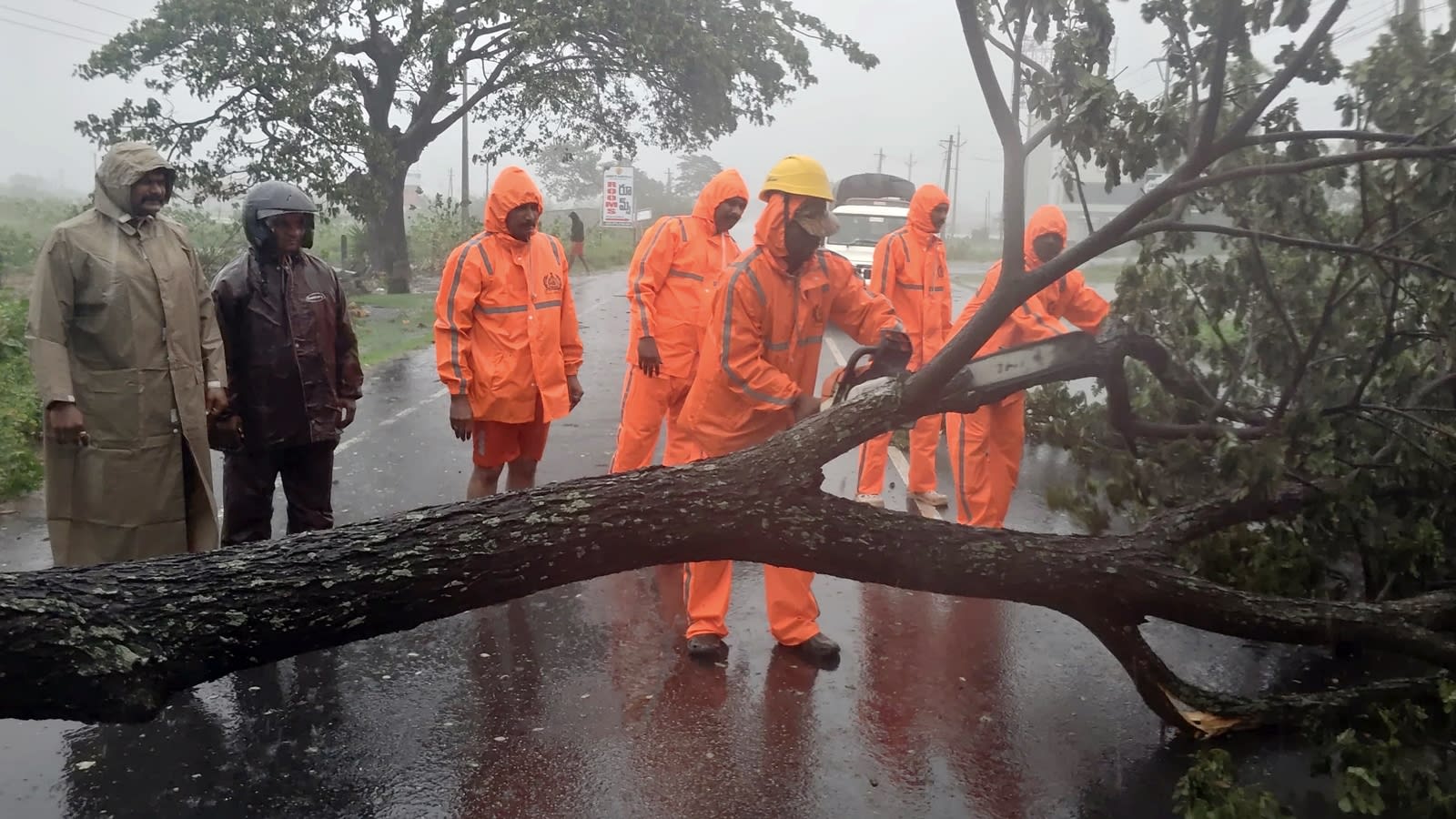
Cyclone Murasu has struck the coastal regions of Andhra Pradesh and Odisha, resulting in two fatalities and widespread school closures. While the storm has weakened to a cyclonic status, authorities continue to manage ongoing evacuations.
Cyclone Murasu Impacts Coastal India
The coastal regions of Andhra Pradesh and Odisha are currently grappling with the aftermath of Cyclone Murasu, a weather system that has caused significant disruption and loss of life. Reports indicate that at least two individuals have died as a direct consequence of the storm, prompting immediate and decisive action from state authorities. In response to the threat, governments in both states have mandated the closure of educational institutions across multiple districts to prioritize the safety of students and staff.
Meteorological Progression and Current Status
According to the India Meteorological Department (IMD), the storm system underwent a transition on Tuesday afternoon. Initially categorized as a severe cyclonic storm, it weakened into a cyclonic storm as it progressed over South Coastal Andhra Pradesh. As of the latest tracking data, the system was centered approximately 40 km west-northwest of Bapatla, 60 km north of Ongole, and 80 km southwest of Vijayawada. The storm exhibited sustained wind speeds of 80-90 kmph, with gusts reaching up to 100 kmph, necessitating extreme caution for residents in these zones.
Emergency Response and Evacuations
State administrations in Odisha and Andhra Pradesh have been proactive in their disaster management efforts, prioritizing the mass evacuation of vulnerable populations residing in low-lying coastal areas. By clearing educational facilities and moving residents to temporary shelters, the authorities aim to minimize further casualties. The movement of the storm at a speed of 7 kmph north-northwestwards highlights the slow-moving nature of this system, which increases the duration of rainfall and wind impact on specific regions.
Broader Implications for Disaster Preparedness
This event underscores the persistent vulnerability of India's eastern coastline to extreme weather events. The frequency of such cyclones necessitates robust infrastructure and real-time coordination between the IMD and state disaster response forces. The decision to preemptively shut down schools serves as a critical component of risk mitigation, reflecting an evolving strategy to insulate the civilian population from the most severe impacts of cyclonic activity.
Future Trends and Resilience
As climate patterns continue to shift, the intensity and unpredictability of storms in the Bay of Bengal remain a primary concern for policymakers. The current response to Cyclone Murasu demonstrates a high degree of operational readiness, yet the loss of life serves as a somber reminder of the limitations of human intervention against nature. Moving forward, continued investment in early warning systems and resilient infrastructure will be paramount to safeguarding the economic and social stability of the affected districts.
Conclusion
While the weakening of Cyclone Murasu offers some relief to the beleaguered coastal communities, the situation remains fluid. The focus has now shifted from immediate evacuation to damage assessment and restoring normalcy in the affected regions. The resilience of the people in Odisha and Andhra Pradesh, supported by state-led mitigation strategies, remains the cornerstone of the recovery process.