Dave Ramsey calls out the 3 ‘Dumb! Really dumb!’ money mistakes his callers make. Avoid these financial pitfalls now
Source Entity
Yahoo Finance
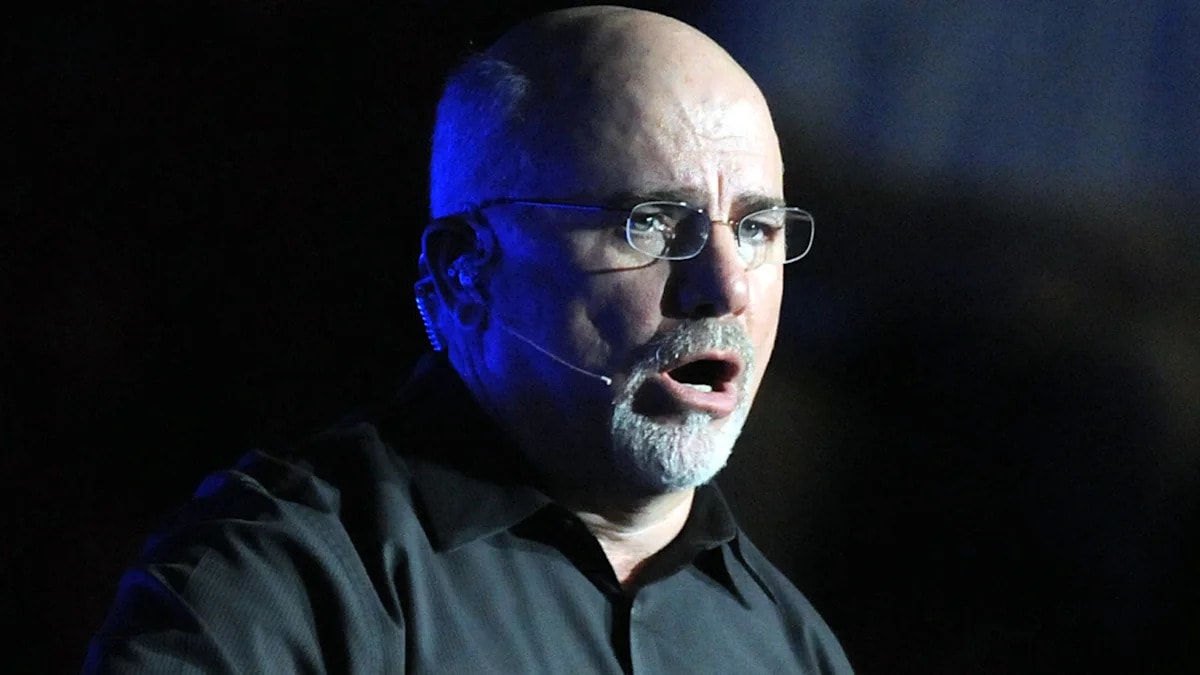
Financial expert Dave Ramsey highlights common money mistakes while platforms like Arrived offer alternatives for real estate investment. These services allow individuals to earn passive income through fractional property shares, bypassing traditional landlord responsibilities.
Rethinking Real Estate Investment: Beyond Traditional Ownership
Financial commentator Dave Ramsey has long been a vocal proponent of debt-free living and cautious asset accumulation, frequently criticizing common financial blunders that trap average investors. While Ramsey emphasizes the importance of avoiding high-interest debt and impulsive spending, a new wave of financial technology is changing how individuals approach the asset class of real estate. The shift from traditional, hands-on property management to fractional ownership represents a significant evolution in personal finance strategies.
The Rise of Fractional Real Estate
Historically, real estate investment was reserved for those with substantial capital or the willingness to manage physical properties. Today, platforms like Arrived are democratizing this access by allowing users to invest in shares of rental properties with as little as $100. By vetting properties specifically for their potential appreciation and income generation, these platforms mitigate the initial barrier to entry that has historically kept many middle-class investors out of the property market.
Passive Income Without the Landlord Burden
The traditional model of owning rental property comes with significant operational overhead, famously described as 'midnight calls over a clogged sink.' By utilizing fractional investment models, investors can bypass the role of a landlord entirely. This passive income stream is facilitated through shares, which provide a professionalized experience where the heavy lifting of maintenance, tenant management, and property upkeep is handled by the platform rather than the individual investor.
Institutional Backing and Market Confidence
The credibility of these new investment vehicles is bolstered by support from high-profile figures, including Jeff Bezos. This institutional backing signals a broader shift toward the 'securitization' of individual residential assets. For those who are not currently in a position to purchase a home—whether due to high interest rates, lack of a down payment, or the instability of the current housing market—these platforms provide a viable alternative to gain exposure to real estate's long-term growth potential.
Strategic Implications for Personal Finance
When cross-referencing Dave Ramsey’s warnings against financial pitfalls with these modern investment tools, a clear theme emerges: the necessity of informed, calculated risk-taking. While Ramsey focuses on the 'dumb' mistakes of over-leveraging and poor budgeting, the opportunity to start investing with smaller, manageable amounts aligns with a more disciplined approach to wealth building. By diversifying income streams through fractional property shares, individuals can build equity without the catastrophic risks associated with traditional, highly leveraged real estate deals.
Conclusion: The Future of Accessible Investing
The intersection of expert financial caution and technological innovation is creating a more inclusive landscape for wealth management. As investors continue to move away from the binary choice of either buying a whole house or staying out of the market entirely, fractional ownership will likely remain a critical tool. By focusing on consistent, small-scale investments, participants can leverage real estate's historical stability while avoiding the logistical headaches that have traditionally discouraged the average person from becoming a property investor.