Lib Dems leave conference buoyed by Davey's message
Source Entity
BBC News
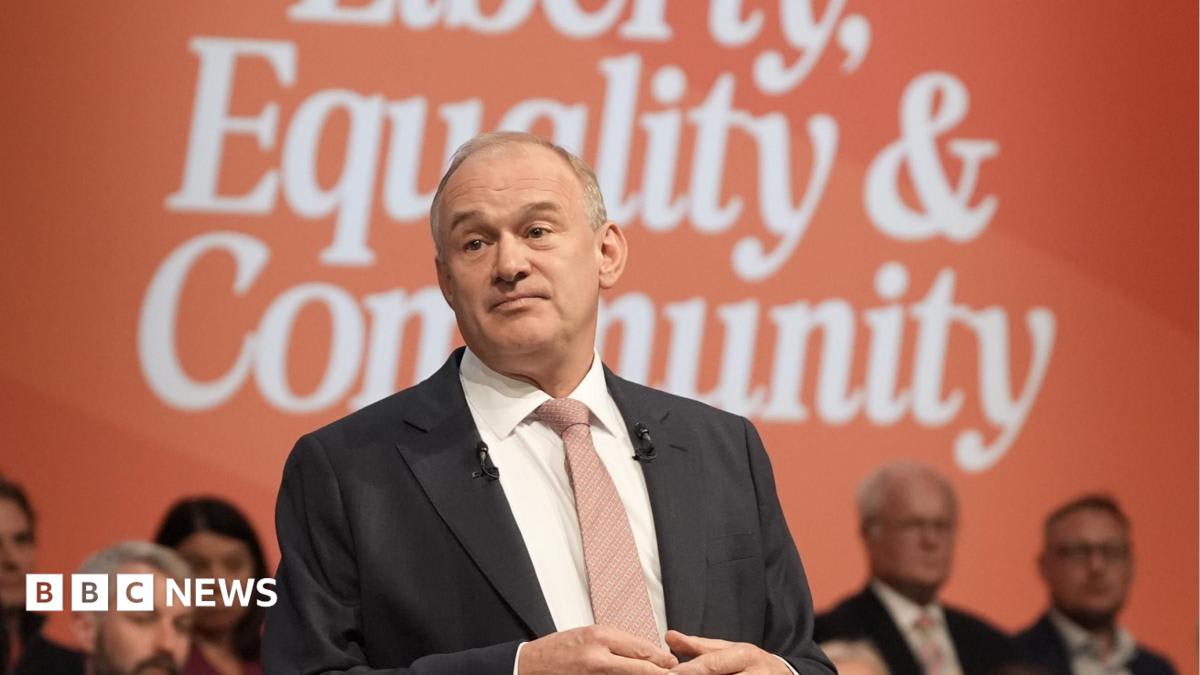
Liberal Democrat leader Sir Ed Davey has proposed a £17 billion tax cut plan funded by rejoining the EU single market. While the move has energized his party, analysts warn that the plan is speculative and faces significant negotiation hurdles.
The Liberal Democrat Strategy: A Bold Fiscal Vision
Liberal Democrat leader Sir Ed Davey has unveiled a significant policy shift, pledging to cut taxes for millions of workers should his party secure power in the next general election. The centerpiece of this proposal is an ambitious increase in the annual tax-free personal allowance to £15,000, alongside a rise in the 40p income tax threshold from £50,270 to £56,000. This £17 billion package, designed to provide approximately £680 in annual relief for most taxpayers, represents a concerted effort to differentiate the party from its political rivals.
The European Link: Funding Through Integration
The most controversial and distinct aspect of Davey's plan is its funding mechanism: the economic growth projected to result from the United Kingdom rejoining the European Union single market and customs union. By tethering domestic tax relief to European integration, the Liberal Democrats are positioning themselves as the primary pro-European force in British politics. This creates a sharp ideological contrast with Reform UK and the Conservative Party, both of which have maintained a firmer stance on Brexit and welfare reform.
Economic Risks and Speculative Growth
While the proposal has been met with enthusiasm from Lib Dem activists and MPs at the Brighton conference, economic analysts remain cautious. Basing a concrete tax cut on the future economic windfall of a hypothetical trade deal is inherently risky. Although institutions like the Office for Budget Responsibility (OBR) have suggested that single market participation could stimulate growth, the path to such a deal is fraught with political and logistical complexity that often defies the optimistic timelines suggested by political leaders.
Challenges in Implementation and Negotiation
Even if the Liberal Democrats were to win an election, the timeline for these changes is notably extended, with the full plan not expected to reach fruition until the fifth year of a potential government. Furthermore, the reliance on a negotiated settlement with the EU introduces significant variables. Recent political history serves as a sobering reminder that trade and regulatory agreements with the European Union are rarely straightforward, and the party’s insistence that a deal could be struck within a year remains a point of intense skepticism among experts.
Political Impact and Future Outlook
The announcement has undoubtedly served to stabilize Sir Ed Davey’s leadership, providing a focal point for the party that has dampened internal concerns. By centering their platform on an aggressive pro-European economic policy, the Liberal Democrats are attempting to carve out a distinct electoral niche. However, the success of this strategy will depend on their ability to convince a skeptical electorate that the long-term gains of rejoining the single market outweigh the immediate political and economic uncertainties inherent in such a massive policy reversal.