No Orders Were Issued To Shield R Veeramani Under DMK: MK Stalin
Source Entity
NDTV News Search Records Found 1000
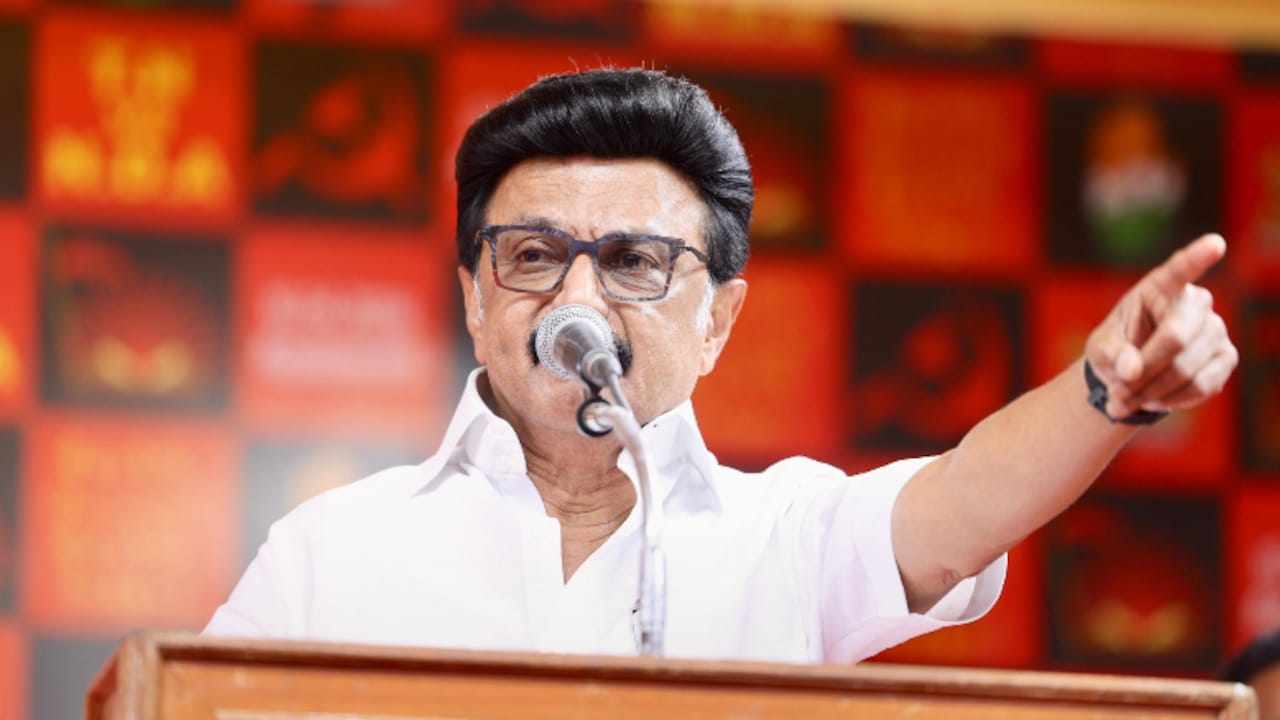
DMK president M.K. Stalin has categorically denied allegations that his government protected industrialist Veeramani in a child sexual assault case. He reaffirmed the party's stance that justice must be served and that no one, regardless of status, should be spared.
Addressing Allegations of Political Interference
DMK president M.K. Stalin has issued a formal rebuttal against claims that his administration provided protection to R. Veeramani, the founder of Gem Granites, during a high-profile child sexual assault investigation. The allegations, which suggested a level of political shielding or administrative inaction, have been dismissed by the former Chief Minister as both false and reprehensible. Stalin’s statement serves as a direct response to public discourse questioning the integrity of the judicial process during his party's tenure.
The Stance on Judicial Accountability
Stalin emphasized that the legal proceedings against Veeramani were conducted without interference from the DMK regime. By explicitly stating that no orders were issued to safeguard the industrialist, he seeks to dissociate the party from the actions of the accused. His rhetoric highlights a commitment to the rule of law, asserting that the party’s official position is to allow the judicial process to proceed independently, ensuring that those responsible for such heinous crimes are held accountable.
Accountability Regardless of Status
Beyond merely denying protection, Stalin has called for a rigorous investigation into anyone who may have colluded with the accused or attempted to obstruct justice. He specifically noted that individuals in high-ranking positions should not be exempt from scrutiny if they are found to have aided or abetted the suspect. This declaration aims to project a zero-tolerance policy toward corruption or political favoritism in sensitive criminal matters.
The Moral and Ethical Dimension
Framing his response through the lens of personal conscience, Stalin articulated that his position is not only political but also rooted in his roles as a party leader and a head of a family. He expressed a strong desire for the final outcome of the case to serve as a deterrent against future offenses of a similar nature. By centering the conversation on the gravity of child sexual assault, he attempts to pivot the narrative back to the welfare of the victims and the necessity of societal protection.
Conclusion and Future Implications
The controversy surrounding the Veeramani case underscores the persistent challenge of political accountability in India's legal landscape. As Stalin attempts to clear the DMK’s reputation, the broader implication remains the public demand for transparency in high-profile cases involving influential industrialists. Moving forward, the effectiveness of the legal outcome will likely be the primary benchmark by which the public judges the validity of these claims and the integrity of the institutions involved.
Verification Required?