US Treasury Chief Scott Bessent Could Become Trump's New AI Adviser: Report
Source Entity
NDTV News Search Records Found 1000
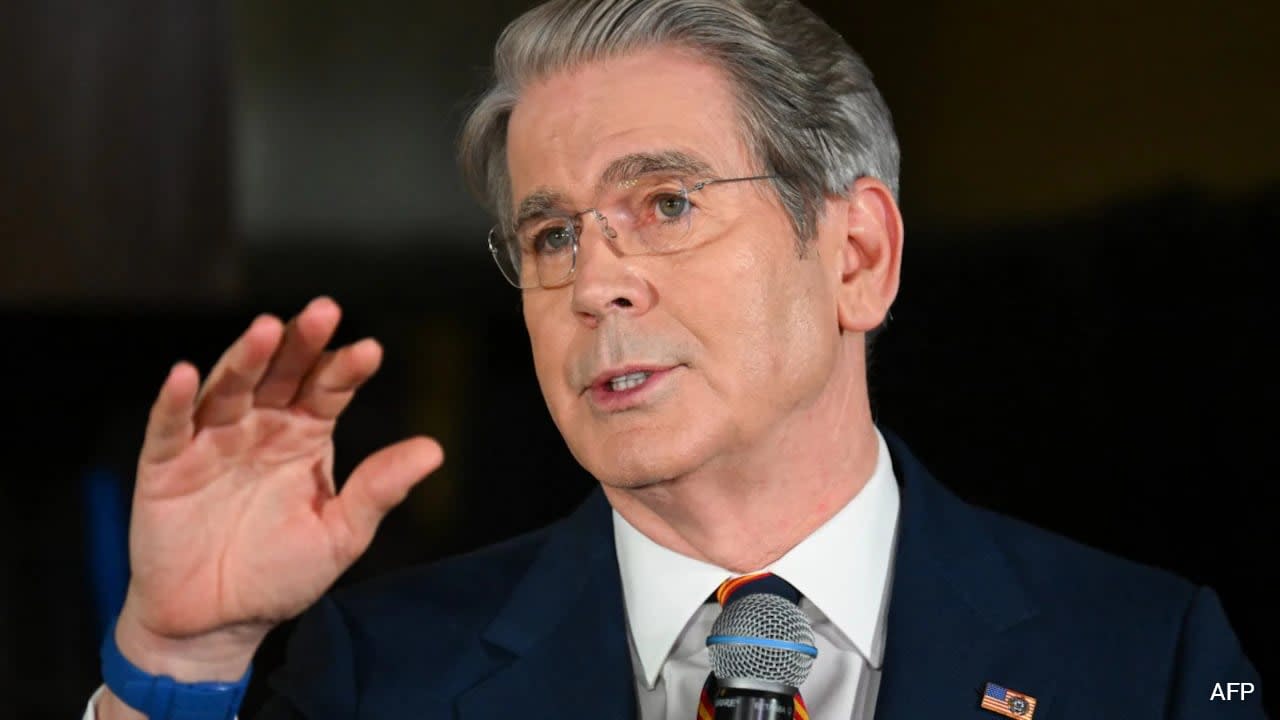
US Treasury Secretary Scott Bessent has emerged as a top candidate for Donald Trump's new AI czar role. This follows the departure of former appointee David Sacks and comes amid the administration's push to establish an 'AI Force.'
The Shift in US Artificial Intelligence Policy
The potential appointment of US Treasury Secretary Scott Bessent as President Donald Trump’s new artificial intelligence czar signals a significant shift in how the administration intends to manage emerging technologies. This development, which follows the creation of an "AI Force" to mitigate the risks associated with rapid technological advancement, places one of the nation's most powerful economic officials at the center of the regulatory landscape.
The Legacy of the AI and Crypto Czar Role
The vacancy for this high-stakes position was created earlier this year when David Sacks, who previously served as the administration's AI and crypto czar, stepped down. Sacks vacated the role after reaching his mandatory service limit as a special government employee. His departure left a void in the leadership of the administration's tech policy, necessitating a swift search for a successor capable of balancing innovation with national security.
Bessent’s Diplomatic and Economic Credentials
Scott Bessent brings a unique set of credentials to the table, most recently demonstrated by his high-level diplomatic engagement with Chinese Vice Premier He Lifeng in New York. The fact that the Treasury Secretary is spearheading these international dialogues highlights the intersection of global trade, economic competition, and artificial intelligence. By leveraging his financial background, Bessent may be positioned to treat AI not just as a technical challenge, but as a critical component of national economic strategy.
A Competitive Field of Candidates
While Bessent is currently viewed as the frontrunner, the administration is considering a pool of experienced individuals. Other notable candidates include Michael Kratsios, the Director of the White House Office of Science and Technology Policy, and Scott Kupor, the Director of the Office of Personnel Management. Kupor, formerly a managing partner at the venture capital firm Andreessen Horowitz, brings significant private-sector expertise to the discussion, further underscoring the government's focus on bridging the gap between Silicon Valley and federal oversight.
Future Trends and Strategic Implications
The move to appoint a new AI czar comes at a time of mounting concern regarding the societal and security risks posed by artificial intelligence. By centralizing this authority, the administration aims to create a more cohesive policy framework that can address the rapid evolution of machine learning models. As the government continues to formalize its "AI Force," the selection of a candidate like Bessent suggests a preference for leaders who can navigate complex geopolitical and fiscal environments while overseeing the nation's technological future.
Verification Required?