‘Vande Mataram’ row: Courts can’t dictate what nat’l song should be, says SC
Source Entity
DHANANJAY MAHAPATRA
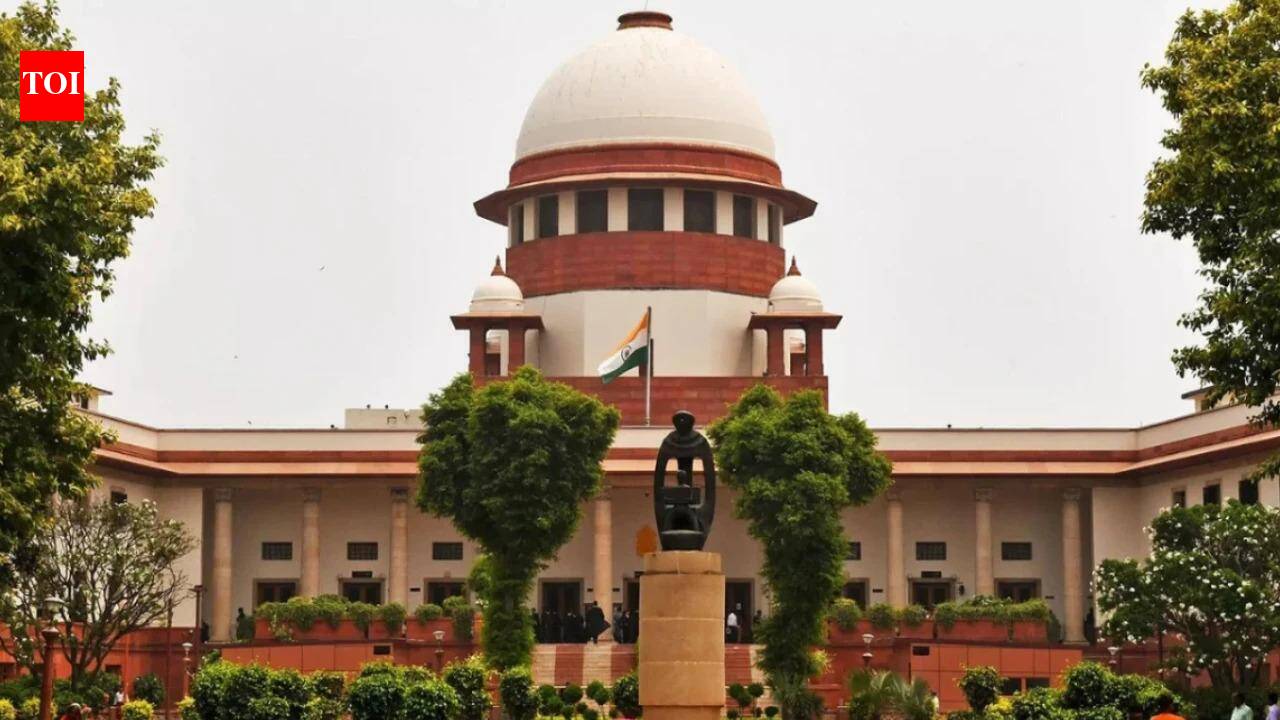
The Supreme Court of India is examining whether failing to sing Vande Mataram should be a punishable offense. The proceedings have sparked a heated legal debate involving constitutional secularism and intense exchanges between the Solicitor General and legal counsel.
The Legal Challenge to Vande Mataram
The Supreme Court of India has initiated a significant legal examination into whether the refusal to sing the National Song, Vande Mataram, should carry penal consequences. This judicial inquiry stems from a Public Interest Litigation (PIL) filed by noted Carnatic singer T.M. Krishna. The petitioner argues that existing guidelines, which mandate the singing of all six stanzas of the song at official functions, conflict with constitutional secularism due to the explicit Hindu religious references found in the latter four stanzas.
The Constitutional Conflict
At the heart of the matter is the tension between nationalistic expression and individual religious freedom. The petitioner contends that compelling individuals to recite verses that may be perceived as sectarian violates the secular fabric of the Indian Constitution. The three-judge bench, led by Chief Justice of India Surya Kant and including Justices Joymalya Bagchi and V. Mohana, is tasked with balancing these conflicting interests. While the court has signaled it will not intervene in the stanza length at this stage, the core question of legal compulsion remains a pivotal point of judicial review.
Precedent and Judicial Restraint
In its preliminary observations, the Supreme Court referenced established legal precedents, specifically noting that no citizen can be legally punished for refusing to sing the National Anthem. This reference underscores the judiciary's historical inclination toward protecting personal liberty and freedom of conscience. The court is now evaluating whether the National Song should be governed by similar standards of voluntary participation rather than state-mandated enforcement.
Heated Exchanges and the 'Naxalite' Jibe
The courtroom proceedings took a contentious turn when Solicitor General Tushar Mehta, representing the Centre, strongly opposed the challenge. During the hearing, Mehta made a remark referencing a “Naxalite mindset” in relation to the questioning of the song’s status. This comment triggered a heated exchange with the petitioner’s legal counsel. While the Solicitor General later clarified that he was referring to an ideology rather than labeling any specific individual, the incident highlights the highly charged political atmosphere surrounding national symbols in India.
Broader Implications and Future Trends
The Supreme Court has directed the Centre to file a formal response to the petition. This case represents a broader trend in Indian jurisprudence where the judiciary is increasingly asked to define the limits of state mandate in matters of national identity and cultural expression. As the court weighs the arguments, the final verdict will likely set a significant precedent for how national songs are treated in public institutions, potentially clarifying the distinction between patriotic homage and mandatory religious or nationalistic observance in a secular democracy.
Multiple Citing Sources