Woman Arrested, Dragged Away After Speaking About Flock at City Council Meeting
Source Entity
Hacker News
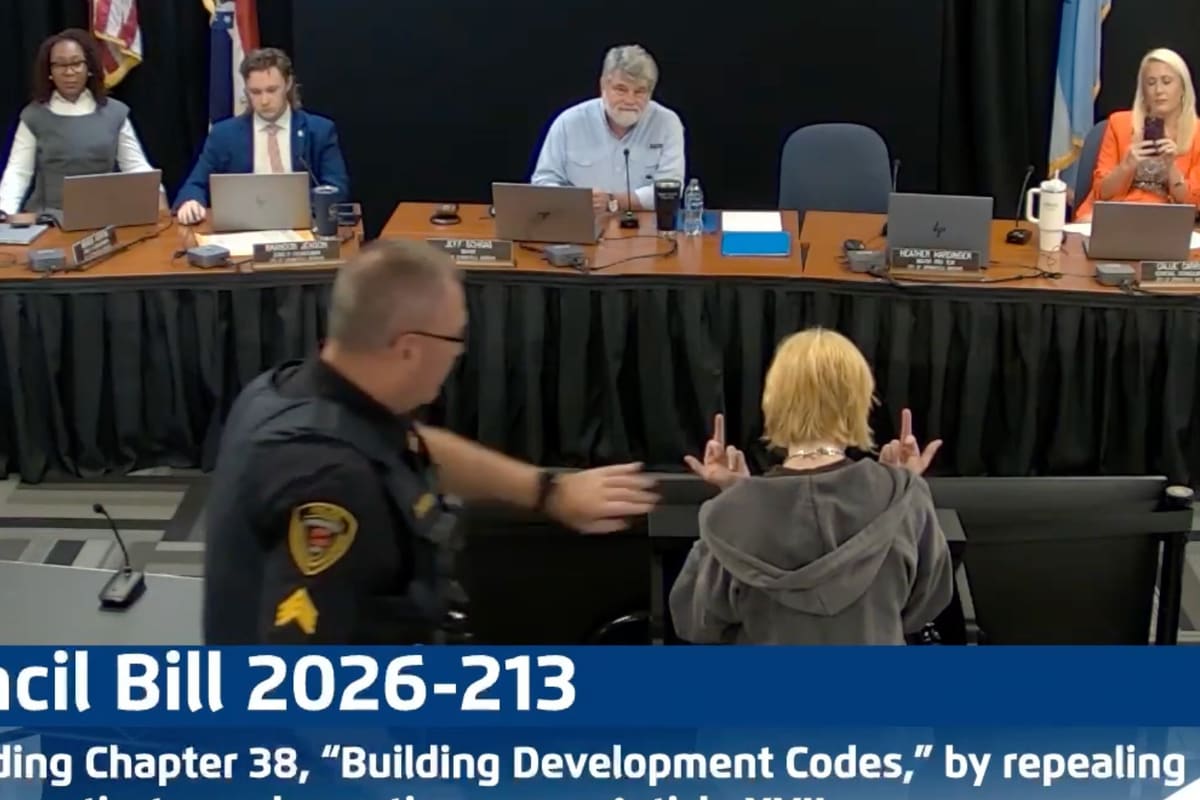
Mia Heider was arrested during a Springfield, Missouri city council meeting after criticizing Flock Safety ALPR surveillance cameras. The incident occurred after Mayor Jeff Schrag cut her microphone and police forcibly removed her from the premises.
The Intersection of Public Discourse and Surveillance Policy
The recent arrest of Mia Heider at a Springfield, Missouri city council meeting serves as a stark focal point for the growing friction between municipal surveillance initiatives and the constitutional right to public dissent. Heider, a constituent appearing before the council, utilized the public comment period to voice opposition against the implementation of Automated License Plate Recognition (ALPR) cameras, specifically those manufactured by Flock Safety. Her arrest, which occurred shortly after she began her testimony, highlights the volatile nature of local government meetings when sensitive privacy issues are brought to the floor.
The Controversy Over Flock Safety Technology
At the heart of this disruption is the deployment of Flock Safety technology, a system designed to capture license plate data and vehicle descriptions to assist law enforcement. While proponents argue that this technology serves as a force multiplier for public safety and crime resolution, critics like Heider view it as a significant encroachment on individual privacy. The rapid adoption of these devices by local governments nationwide has outpaced the development of comprehensive regulatory frameworks, leaving citizens to grapple with the implications of persistent, automated surveillance in their daily lives.
Procedural Conflict and Free Speech
Heider’s removal from the podium by law enforcement followed an intervention by Mayor Jeff Schrag, who cut her microphone mid-statement. The escalation from a policy-based objection to a physical arrest underscores the precarious boundaries of 'decorum' in public forums. When a citizen is barred from completing a critique of public infrastructure, it inevitably raises questions regarding the transparency and accessibility of local governance. The use of force to remove a speaker who has not yet concluded their allotted time—regardless of their gestures or tone—is a practice that often invites scrutiny regarding the protection of First Amendment rights in local chambers.
The Broader Implications for Local Governance
This incident is not merely an isolated case of a meeting gone awry; it is a symptom of a broader national trend where surveillance technology intersects with public anxiety. As cities continue to integrate advanced monitoring tools into their urban fabric, the role of city councils as mediators between public concern and administrative policy becomes increasingly strained. The visual of a constituent being dragged from a podium creates a powerful, albeit negative, narrative that can alienate the public from the very democratic processes designed to represent them.
Future Trends in Surveillance Transparency
Moving forward, municipal entities will likely face increased pressure to establish clear, codified rules for public comment that balance the need for order with the necessity of robust civic debate. If city councils cannot accommodate dissent regarding surveillance technologies, they risk further eroding public trust. The Springfield incident will likely serve as a case study for legal and civil rights observers, potentially prompting calls for more rigorous oversight of how local officials manage opposition to the expansion of the surveillance state.