Ten unheard tracks from David Bowie's early career to be released
Source Entity
BBC News
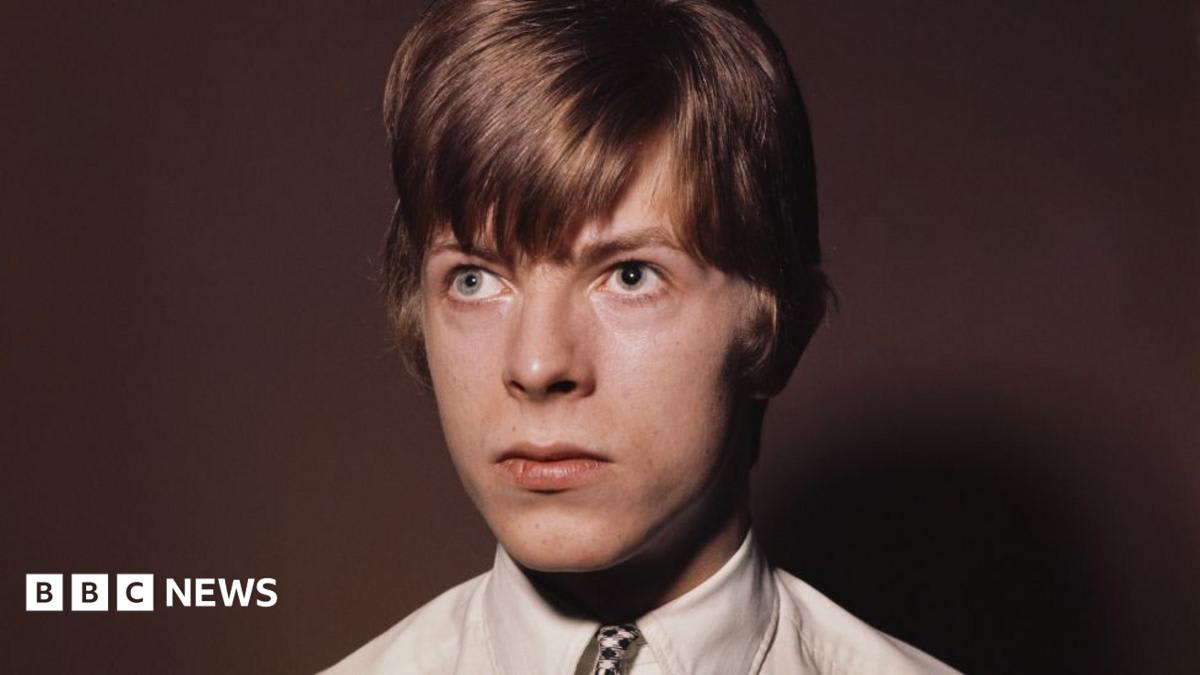
Ten previously unreleased tracks from David Bowie's early 1960s career, recorded under his original stage name Davie Jones, are set to be released, offering a rare glimpse into the artist's formative years.
Unearthing the Origins: The Release of David Bowie's 'Davie Jones' Archives
The music world is set to receive a significant historical gift with the announcement of ten previously unheard tracks from the early career of David Bowie. These recordings date back to the 1960s, a formative period during which the future icon performed under the stage name Davie Jones. For historians, critics, and lifelong fans, this release is more than just a collection of songs; it is a sonic time capsule that captures a young artist navigating the vibrant, chaotic landscape of the London music scene before he became a global phenomenon.
The Evolution of an Icon: From Davie Jones to David Bowie
To understand the significance of these tracks, one must look at the context of the 1960s. Before the advent of Ziggy Stardust or the Thin White Duke, Bowie was a struggling musician heavily influenced by the 'Mod' culture of the era. Using the name Davie Jones—a nod to his birth name and perhaps a conscious effort to fit into the R&B and beat-group trends of the time—he cycled through various bands and styles. These ten tracks likely represent the raw, unpolished experimentation of a performer searching for a voice, blending elements of music hall, early rock and roll, and soulful pop.
Analyzing the Musical Archeology
From an analytical perspective, these recordings provide a critical bridge in Bowie's discography. While his later work is characterized by avant-garde structures and conceptual storytelling, his early 'Davie Jones' period was rooted in the immediate energy of the 60s British Invasion. By examining these tracks, listeners can trace the linear progression of his songwriting and vocal delivery. This release allows us to see the 'scaffolding' of his genius—the moments of trial and error that eventually led to the sophisticated reinventions that defined his career.
The Strategic Value of Archival Releases
In the broader context of the music industry, the release of archival material from a deceased legend serves several purposes. Firstly, it preserves the cultural heritage of an artist, ensuring that the full trajectory of their creative life is documented. Secondly, it caters to a dedicated fanbase that views every scrap of new material as a puzzle piece in understanding the artist's psyche. The decision to release these specific tracks now suggests a curated effort by the Bowie estate to provide a comprehensive historical roadmap, moving backward from his peak to his very beginnings.
Historical Context and the London Mod Scene
The 1960s in London was a melting pot of artistic rebellion and stylistic experimentation. By releasing tracks from the Davie Jones era, we are reminded of the environment that shaped Bowie. The influence of the Mod movement—with its emphasis on sharp fashion and American soul music—is likely embedded in these recordings. This period of his life was marked by a desperate desire for stardom and a willingness to adapt his persona to fit the market, a trait that would later evolve into his masterful ability to create complex characters.
Future Trends in Legacy Management
Looking forward, the release of these tracks signals a growing trend in 'legacy management' within the entertainment industry. We are seeing a shift toward the 'vault' model, where estates use high-fidelity remastering and curated storytelling to keep an artist's brand relevant for new generations. It is probable that these ten tracks will be followed by further deep-dives into his early demos, potentially utilizing AI-driven audio restoration to bring 60-year-old recordings up to modern sonic standards, thereby bridging the gap between the analog past and the digital future.
Summary of Significance
Ultimately, the release of these ten unheard tracks is a vital addition to the musical canon. By revisiting the era of Davie Jones, we are granted a rare glimpse into the vulnerability and ambition of a young man long before he became the 'Starman.' This collection does not just add to the volume of Bowie's work; it adds depth to the narrative of one of the 20th century's most influential artists, proving that the seeds of his later brilliance were sown in the modest recordings of the 1960s.