Rubio Ally Gets 10 Years In Jail In $50 Million Venezuela Lobbying Case
Source Entity
NDTV News Search Records Found 1000
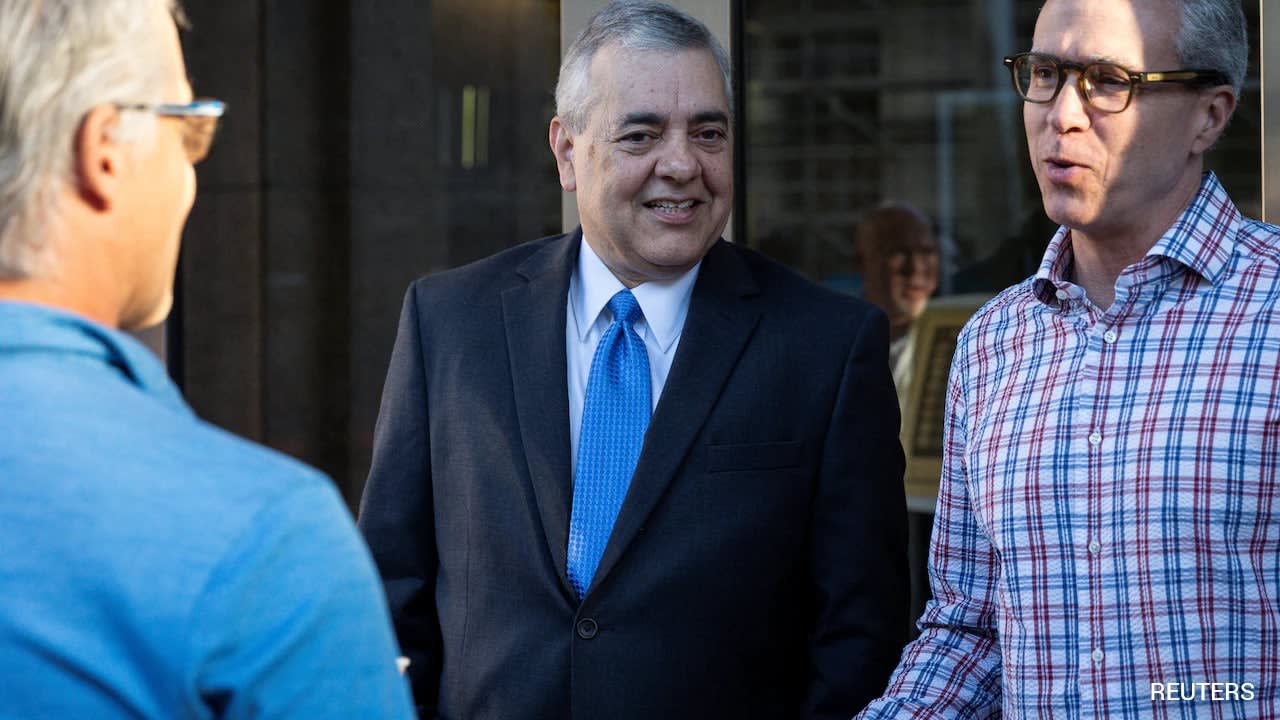
Former U.S. Congressman David Rivera has been sentenced to 10 years in prison for his role in a $50 million illicit lobbying scheme for the Maduro regime. The case highlights the serious legal consequences of failing to register as a foreign agent and engaging in money laundering.
The Fall of a Political Operative: David Rivera’s Sentencing
Former U.S. Congressman David Rivera, a figure long associated with the political circles of Florida and a known associate of U.S. Secretary of State Marco Rubio, has been sentenced to 10 years in federal prison. This sentencing marks the conclusion of a high-profile legal battle centered on his involvement in a covert $50 million lobbying campaign conducted on behalf of the Nicolás Maduro regime in Venezuela during the first Trump administration.
The Mechanics of the Illicit Lobbying Scheme
The core of the prosecution against Rivera focused on his failure to register as a foreign agent, a legal requirement for individuals acting on behalf of foreign governments within the United States. Federal investigators successfully proved that Rivera participated in a complex conspiracy involving money laundering to facilitate influence operations for the Venezuelan government. The $50 million scheme was designed to bolster the Maduro regime’s standing during a period of significant international geopolitical tension.
Legal Consequences and Judicial Reprimand
Rivera, 61, had been held in custody since a jury found him guilty on all counts in May. During the sentencing hearing, Judge Melissa Damian delivered a stern rebuke, characterizing Rivera's actions as a betrayal of his long career in public service. The 10-year term reflects the gravity of the charges, specifically the deliberate effort to subvert the Foreign Agents Registration Act (FARA) and the misuse of financial systems to obscure the origins of the lobbying funds.
Political Implications and Associations
While Rivera’s career as a former congressman is the primary focus, his historical proximity to high-ranking officials like Secretary of State Marco Rubio has drawn significant media and public attention. The case underscores the vulnerability of political figures to foreign influence operations, particularly those involving regimes under heavy international sanctions. By engaging in secret work for the Maduro government, Rivera compromised his integrity and violated the legal frameworks intended to maintain transparency in American foreign policy.
Broader Context of Foreign Influence
This case serves as a cautionary tale regarding the intersection of domestic politics and international lobbying. The use of former U.S. officials to advocate for hostile foreign interests is a persistent concern for national security agencies. The severity of this sentence signals a shift toward more aggressive enforcement of laws governing foreign influence, aiming to deter other political operatives from pursuing similar lucrative but illegal ventures.
Future Trends in Accountability
As the United States continues to grapple with foreign interference, the outcome of this case suggests that the Department of Justice will continue to prioritize the investigation of unregistered foreign lobbying. The legal precedent set by the Rivera case will likely influence how future lobbying efforts are monitored and prosecuted, emphasizing that proximity to power does not grant immunity from the rule of law.
Verification Required?