Jonathan Ross 'horrified' by Walliams allegations and Brand conviction
Source Entity
BBC News
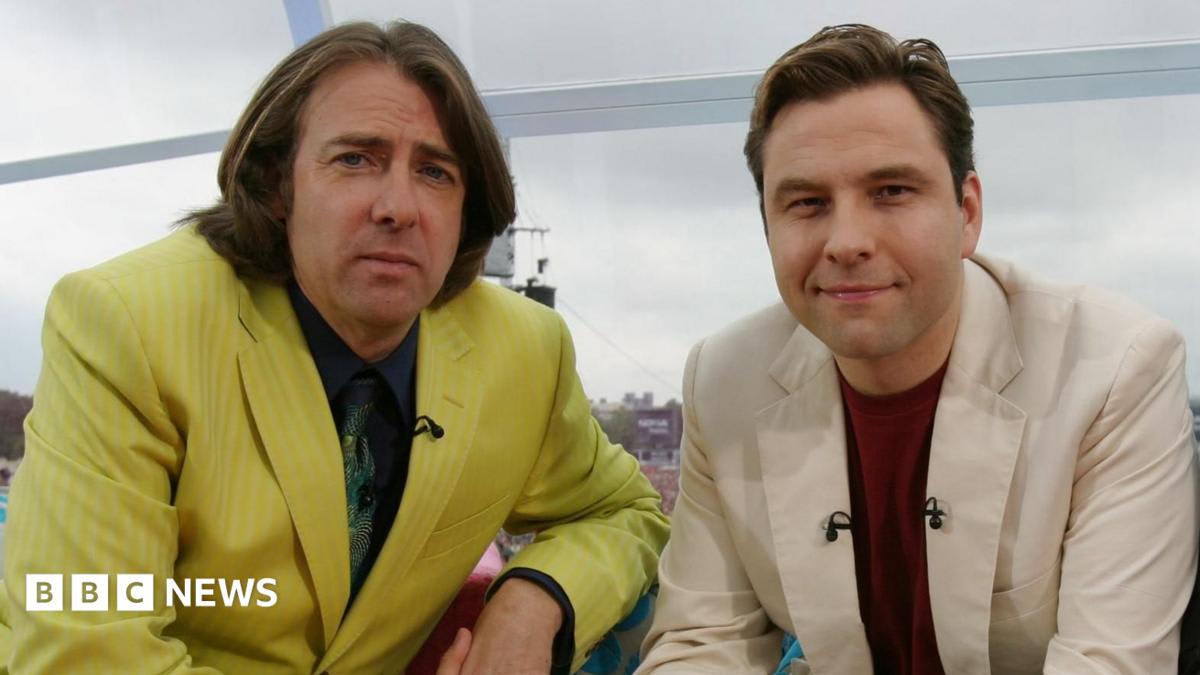
Comedian and author David Walliams faces serious allegations of grooming and sexual misconduct involving young women and teenagers. Walliams has denied the claims but admitted to acting thoughtlessly in past sexual relationships after losing a legal bid to suppress the report.
The Allegations Against David Walliams: An Overview
David Walliams, the prominent British comedian and author, is currently at the center of a major public scandal following a joint investigation by ITV News and The Guardian. The allegations, which include claims of grooming teenage girls as young as 15 and harassing women in the workplace, have surfaced following the comedian's unsuccessful attempt to block the publication of these reports through a court injunction. While Walliams has categorically denied the allegations of misconduct, the gravity of the claims suggests that some conduct could potentially amount to criminal offenses if proven in a court of law.
Testimony and Personal Accounts
A significant portion of the public discourse surrounding these accusations stems from the testimony of Lilly Creightmore, who waived her right to anonymity to speak with BBC Newsnight. Creightmore, who was 18 when she first had contact with Walliams, alleged that he offered to let her move into his home shortly after they met. Upon arriving, she described feeling pressured to share a bed with him, detailing instances where he would stroke her leg and attempt to manipulate her into sexual proximity. Her account highlights a pattern of behavior that investigators suggest may have been facilitated by the power imbalance inherent in Walliams’ celebrity status.
The Legal and Ethical Implications
The legal dimension of this case is particularly noteworthy, as Walliams’ failed bid to prevent the publication of these allegations serves as a pivotal moment in the discourse. By attempting to use an injunction, the comedian invited significant scrutiny into the nature of his private life. The fact that he lost this legal battle has allowed these allegations to enter the public record, forcing a broader conversation about the responsibilities of public figures and the potential for abuse of influence. Legal experts note that if the allegations of grooming are substantiated, they carry severe implications, as grooming involves the predatory process of building an emotional connection to lower inhibitions for sexual purposes.
Walliams' Response and Admission
In response to the mounting pressure from journalists, Walliams issued a statement acknowledging that he had acted "thoughtlessly" toward women with whom he had casual sexual relationships. This partial admission is being parsed by critics and legal analysts alike; while it is not a confession to the specific allegations of grooming or harassment, it does mark a departure from his initial attempt to suppress the story entirely. This acknowledgement of "thoughtless" behavior provides a window into his defense strategy, which appears to focus on characterizing past relationships as consensual, albeit perhaps morally complex, rather than predatory.
Broader Cultural Context and Future Trends
This case arrives at a time when the entertainment industry is under increasing pressure to address historical patterns of misconduct. The #MeToo movement and subsequent cultural shifts have lowered the threshold for victims to speak out, and media organizations are increasingly willing to challenge high-profile figures who attempt to use legal measures to silence reporting. As these investigations continue, the case of David Walliams will likely serve as a case study for how public perception, legal privilege, and accountability intersect in the modern era. The long-term impact on his career, as well as the potential for further legal action, remains a subject of intense public and professional interest.
Multiple Citing Sources