Government could force media industry to improve safeguards after Walliams allegations
Source Entity
BBC News
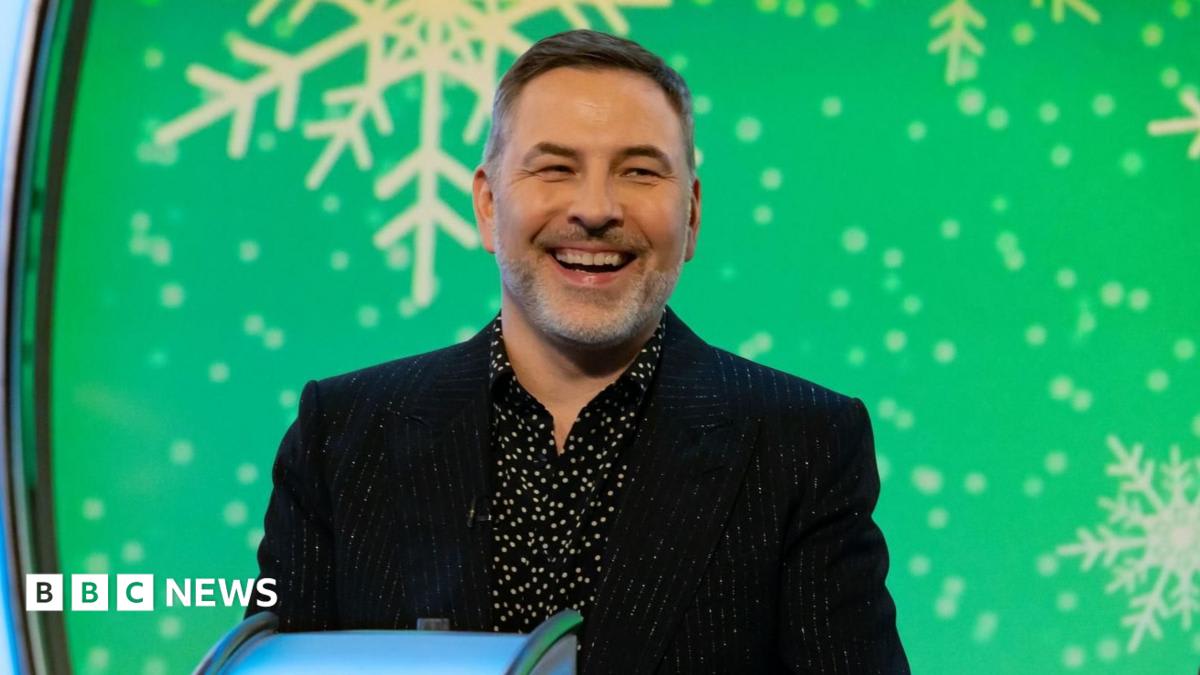
Prominent British comedian and author David Walliams faces serious allegations of grooming and sexual misconduct involving young women. Walliams has denied the claims, though he admitted to behaving 'thoughtlessly' in past relationships, following a failed legal attempt to suppress the report.
The Allegations Against David Walliams: A Critical Overview
Recent investigative reporting from ITV News and The Guardian has brought to light serious allegations of sexual misconduct and grooming against British comedian and children's author David Walliams. The reports suggest that Walliams allegedly leveraged his significant celebrity status to target and prey upon teenage girls and young women. These claims have surfaced following a high-profile legal battle in which Walliams unsuccessfully attempted to secure an injunction to block the publication of these damaging accounts.
Testimony and Personal Accounts
Central to these allegations is the testimony of Lilly Creightmore, who waived her right to anonymity to speak with the BBC. Creightmore, who was contacted by Walliams when she was 18, detailed a disturbing pattern of behavior where Walliams reportedly pressured her to move into his home shortly after their initial meeting. Once there, she described feeling coerced into sharing a bed, citing instances where he would touch her and repeatedly question her about her romantic intentions. Creightmore’s account highlights a perceived power imbalance and a sense of manipulation that she felt during her interactions with the entertainer.
The Legal and Ethical Landscape
Walliams has formally denied all allegations of grooming and sexual misconduct. However, in correspondence provided to the journalists involved in the investigation, he conceded that he had, at times, behaved "thoughtlessly" toward those with whom he had casual sexual relationships. The legal context is particularly significant here; the fact that Walliams chose to pursue an injunction suggests an attempt to manage his public image and suppress the allegations, a move that ultimately failed and led to the current public scrutiny of his past actions.
Potential Criminal Implications
Perhaps the most concerning aspect of the reporting is the suggestion that some of the documented conduct could potentially rise to the level of criminal offenses if proven in a court of law. The allegations of grooming—specifically involving girls as young as 15—carry severe societal and legal weight. While the investigation remains in the realm of journalistic inquiry rather than a criminal trial, the gravity of these claims has prompted significant public discourse regarding the conduct of public figures and the protections afforded to young, vulnerable individuals in the entertainment industry.
Broader Implications for the Entertainment Industry
This situation serves as a stark reminder of the ongoing power dynamics within the entertainment sector. The use of celebrity status to facilitate personal or sexual access to younger, less experienced individuals is a recurring theme in contemporary accountability movements. As the public and the media continue to process these allegations, the industry faces mounting pressure to examine how power is exercised by those at the top of the hierarchy and how those who feel victimized can safely come forward to seek justice.
Conclusion
As the situation develops, the focus remains on the veracity of the claims and the potential for further legal or professional repercussions. While Walliams continues to deny the most severe accusations, the corroboration of these accounts by multiple women and the subsequent loss of his bid for legal suppression mark a pivotal moment in his career. The case highlights the importance of investigative journalism in holding powerful figures accountable, while also underscoring the necessity of providing resources and support for those who come forward with such difficult experiences.
Multiple Citing Sources