DDA begins process to rehabilitate 45 slum clusters housing 1 lakh people
Source Entity
Devansh Mittal
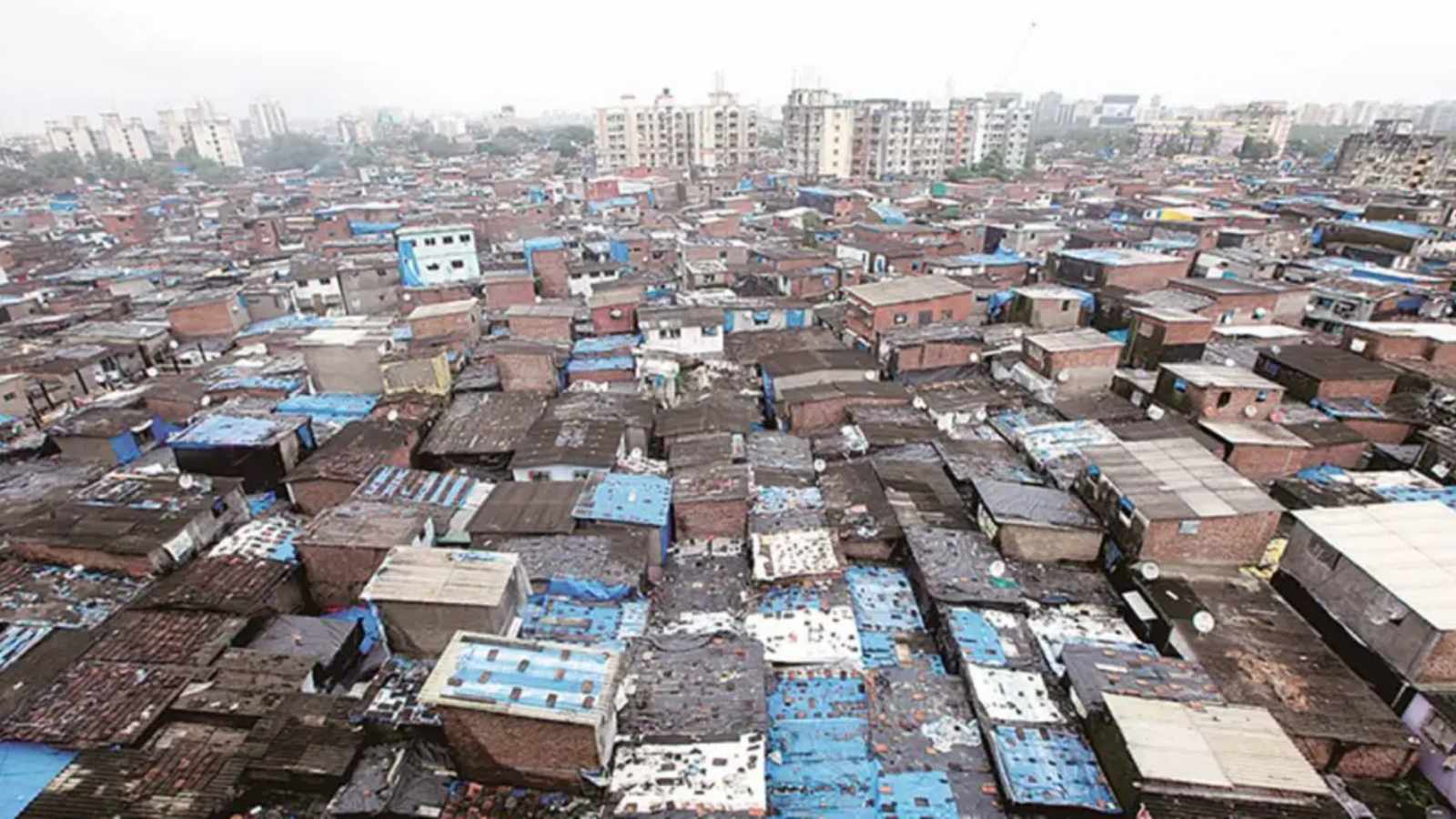
The Delhi Development Authority has launched a major initiative to rehabilitate 45 slum clusters, aiming to provide permanent housing for over 21,000 families. This project marks a significant step under the Master Plan for Delhi (MPD)-2047 to improve urban living conditions.
Delhi’s Urban Transformation: DDA Initiates Massive Slum Rehabilitation
In a significant shift in urban governance, the Delhi Development Authority (DDA) has formally launched a large-scale rehabilitation initiative targeting 45 slum clusters across the national capital. This move, which aims to provide modern housing to over 21,000 households—impacting roughly one lakh residents—represents a pivotal moment in Delhi’s urban planning history. By transitioning from temporary dwellings to structured, permanent housing, the DDA is attempting to address the long-standing challenges of informal settlements that have historically defined large swathes of the city.
Policy Evolution and MPD-2047
The current initiative is deeply rooted in recent amendments to Delhi’s slum policy, which have been refined over the past several months to streamline the eligibility criteria for residents. This process is one of the first major operational movements under the Master Plan for Delhi (MPD)-2047. By aligning current redevelopment efforts with this long-term vision, the DDA is signaling a move toward more cohesive urban development that prioritizes infrastructure integration and standardized living conditions over ad-hoc settlement management.
Execution and Transaction Advisory
To ensure the feasibility and success of such a massive undertaking, the DDA has floated Requests for Proposals (RFP) to appoint three Transaction Advisors. These experts will be tasked with conducting comprehensive feasibility reports for 15 distinct projects. These projects are strategically designed to cover 45 clusters spanning approximately 135.74 acres of land. This methodical approach underscores the agency's commitment to avoiding the pitfalls of past rehabilitation efforts by conducting rigorous pre-development analysis.
Geographic Scope and Target Areas
The scope of this redevelopment is significant, focusing on key areas including Badli, Shahdara, Pitampura, and Tilak Nagar. These neighborhoods, which serve as hubs for a vast number of working-class families, are central to the DDA's strategy. By targeting these specific clusters, the DDA is not only addressing the housing crisis for the marginalized but also potentially freeing up significant urban land for more efficient city planning and public utility development.
Future Implications for Urban Living
The success of this initiative could set a precedent for how metropolitan authorities handle high-density, informal housing. If the DDA effectively navigates the complexities of relocation and construction, this project could serve as a blueprint for future phases under the MPD-2047. The shift toward providing flats in place of current homes suggests a move toward vertical development, which is increasingly necessary as land availability decreases and the population density of Delhi continues to rise.
Conclusion
Ultimately, the DDA’s decision to initiate this rehabilitation process is a landmark development for Delhi. By focusing on over 21,000 families, the agency is attempting to bridge the gap between informal settlements and formal housing infrastructure. While the logistical challenges of such a project are immense, the alignment with the MPD-2047 framework provides a clear path forward for the integration of slum dwellers into the planned urban fabric of the city.