How to successfully deal with a micromanaging boss
Source Entity
Aditi Shrikant
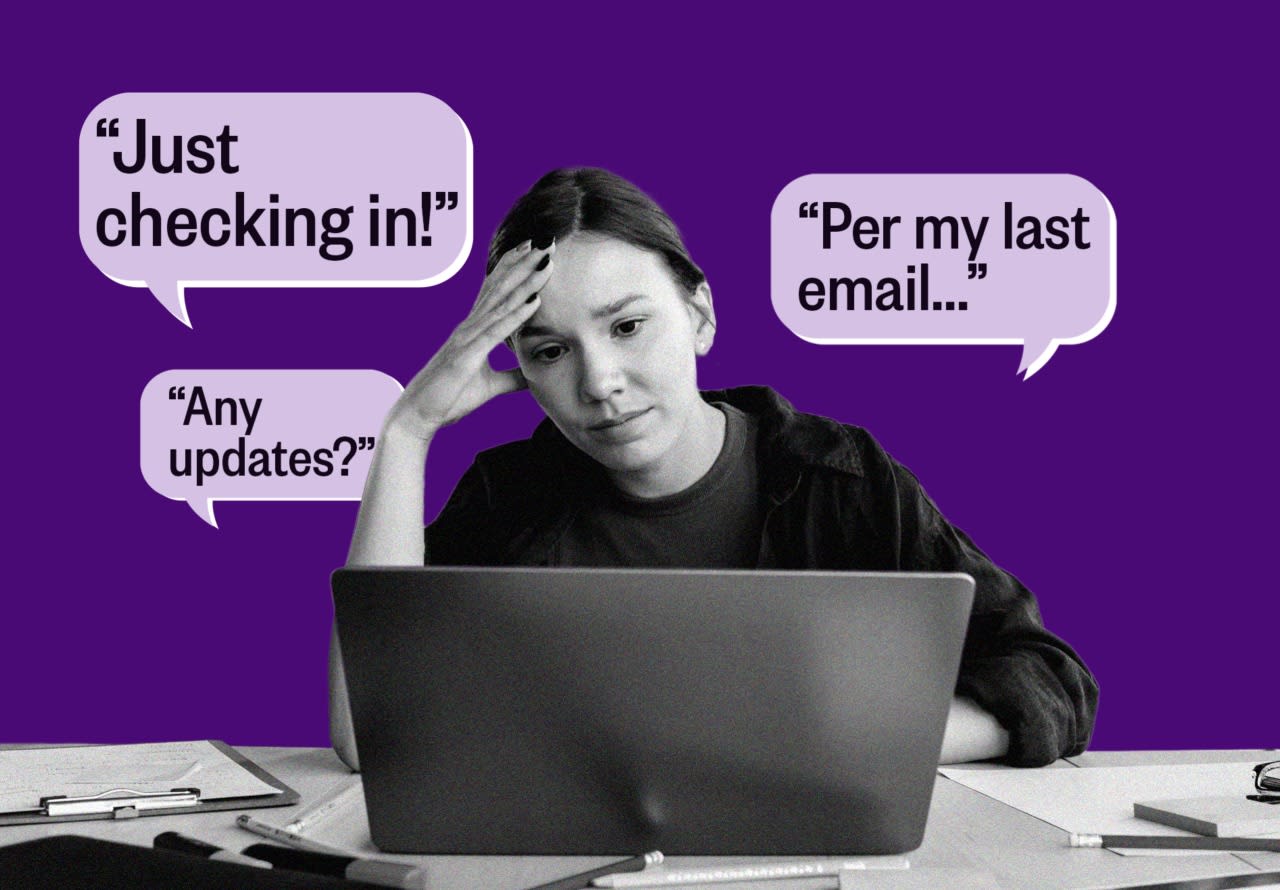
Effective management of a micromanaging supervisor requires proactive communication and boundary setting. Additionally, the 'Don't Short Yourself' platform has announced significant upcoming updates.
Navigating the Challenges of Micromanagement
Micromanagement remains one of the most pervasive obstacles in the modern workplace, often leading to decreased employee morale, stunted professional growth, and high turnover rates. When a supervisor shifts from providing necessary guidance to obsessive oversight, the structural integrity of the team dynamic begins to erode. Effectively dealing with such a dynamic requires a strategic, non-confrontational approach that prioritizes transparency and the restoration of professional trust.
Strategies for Professional Autonomy
To mitigate the impact of a micromanaging boss, employees should focus on proactive communication. By providing status updates before they are requested, an employee can demonstrate reliability and competence, which often alleviates the manager's anxiety regarding project progress. Establishing clear expectations during the initial phases of a task can prevent the need for constant course correction, allowing the employee to regain a sense of autonomy in their daily responsibilities.
Setting Boundaries and Building Trust
Establishing boundaries is an essential component of career longevity. It is crucial to engage in direct, professional conversations about preferred communication styles and the specific goals of the team. By aligning personal output with the manager’s high-level objectives, employees can shift the focus from the 'how' of a process to the 'what' of the results, thereby reducing the manager's perceived need to oversee every minor detail.
Developments at 'Don’t Short Yourself'
In tandem with these professional development discussions, the platform 'Don’t Short Yourself' has officially announced exciting new updates. This development marks a significant milestone for the organization as it continues to provide resources for individuals looking to maximize their potential and advocate for their own professional value. These updates are expected to further empower users in managing their career trajectories effectively.
Broader Implications for Workplace Culture
As the professional landscape continues to evolve toward more flexible and trust-based environments, the necessity of platforms like 'Don’t Short Yourself' becomes increasingly clear. By equipping individuals with the tools to handle difficult management styles while simultaneously fostering self-advocacy, these resources contribute to a healthier, more productive corporate ecosystem. Future trends suggest that organizations prioritizing trust over surveillance will ultimately see higher retention rates and better innovation outcomes.
Conclusion
Successfully managing a micromanaging supervisor is not merely about surviving a difficult work environment; it is about refining one's communication skills and asserting professional value. With the upcoming news from 'Don’t Short Yourself,' professionals have an additional avenue to support their growth. By combining tactical communication with the right resources, employees can navigate these challenges and ensure their career path remains focused on growth and achievement.
Verification Required?