100-year-old man who survived Nazi concentration camp in France dies, association says ‘lost final French witness’
Source Entity
Latest News: Todays Latest News Headlines from India & World | Hindustan Times
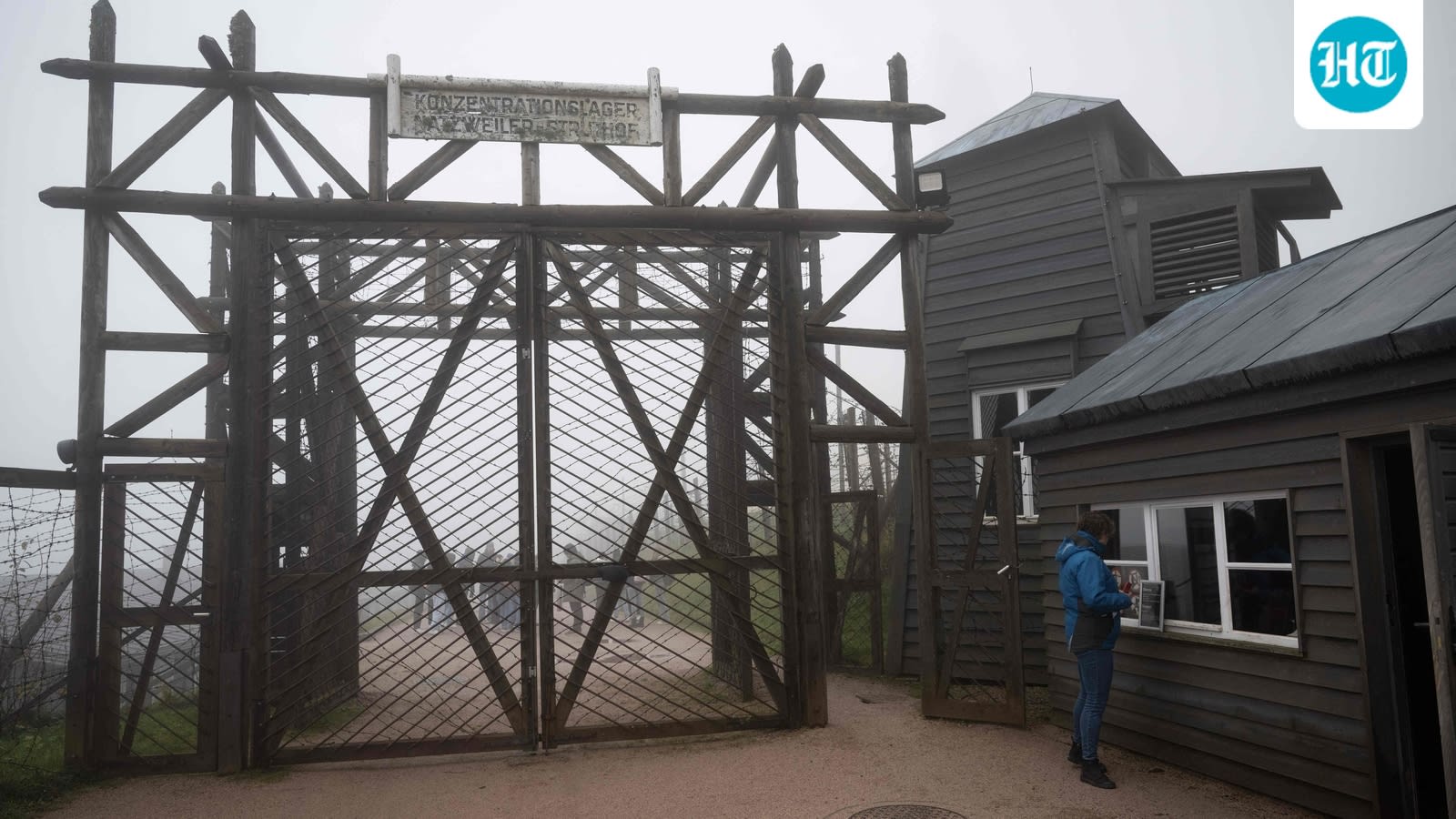
Roger Boulanger, the last French survivor of the Natzweiler-Struthof concentration camp, has passed away at 100. His death marks a significant historical milestone as the final living witness to the atrocities committed at the only Nazi camp on French soil.
The Passing of a Living History: Roger Boulanger and the Legacy of Struthof
The recent passing of Roger Boulanger at the age of 100 marks a profound and irreversible moment in French history. As the final surviving inmate of the Natzweiler-Struthof concentration camp, his death signals the end of a direct, living connection to one of the most harrowing chapters of the Second World War. Having celebrated his centenary only two weeks prior to his death this past Thursday, Boulanger served as a vital link for younger generations to understand the brutal realities of Nazi occupation in eastern France.
The Significance of Natzweiler-Struthof
Natzweiler-Struthof occupies a unique and somber place in the geography of the Holocaust. Established by the Nazi regime in the Vosges mountains of eastern France in 1941, it remains the only concentration camp built on French territory. Its existence served as a brutal instrument of repression, housing thousands of prisoners from across occupied Europe. For the French people, the camp is a visceral reminder of the collaboration and suffering that defined the war years, and Boulanger’s presence until his final days provided a human face to the statistics of survival.
Witnessing the Unthinkable
Roger Boulanger was held as an inmate at the camp starting in 1943. His experience as a prisoner provides a window into the systemic dehumanization practiced within the camp’s walls. By surviving this ordeal and living to be 100, Boulanger maintained a duty of remembrance. His testimony was not merely a recounting of personal trauma but a steadfast defense of historical truth, ensuring that the atrocities committed at Struthof were not sanitized or forgotten by history.
The Erosion of Living Memory
As the generation that lived through the Second World War reaches the end of its natural lifespan, the world faces a critical transition in how history is preserved. The loss of the 'final French witness' to Struthof underscores the urgency of archival preservation. When primary witnesses pass away, the burden of historical memory shifts entirely to museums, memorials, and written documentation. The association managing the memorial acknowledged this weight, noting that with Boulanger’s passing, a 'page of history turns,' fundamentally changing the nature of their work.
Future Trends in Holocaust Education
Looking forward, the absence of survivors like Boulanger necessitates a shift in pedagogical strategies. Educational institutions and memorial sites must now rely on digitized testimonies, recorded interviews, and immersive exhibits to convey the weight of these events to future generations. The focus will likely shift from direct witness accounts to the curation of structural and archival evidence, ensuring that the legacy of those who suffered at Natzweiler-Struthof continues to educate and caution the world against the dangers of totalitarianism and hatred.
A Conclusive Reflection
Roger Boulanger’s life was defined by his resilience and his commitment to bearing witness. While his death marks the end of an era, his legacy is etched into the memorial site he survived. The international community now holds the responsibility of carrying forward the testimony he provided for decades. As we move further from the events of 1943, his story remains a powerful testament to the human spirit's capacity to endure and the imperative to remember the darkest chapters of our collective past.
Verification Required?