A bowl of mixed fruits may seem healthy, but mixing these 7 combinations is not SAFE, says dietician Archana Batra
Source Entity
Latest News: Todays Latest News Headlines from India & World | Hindustan Times | Hindustan Times
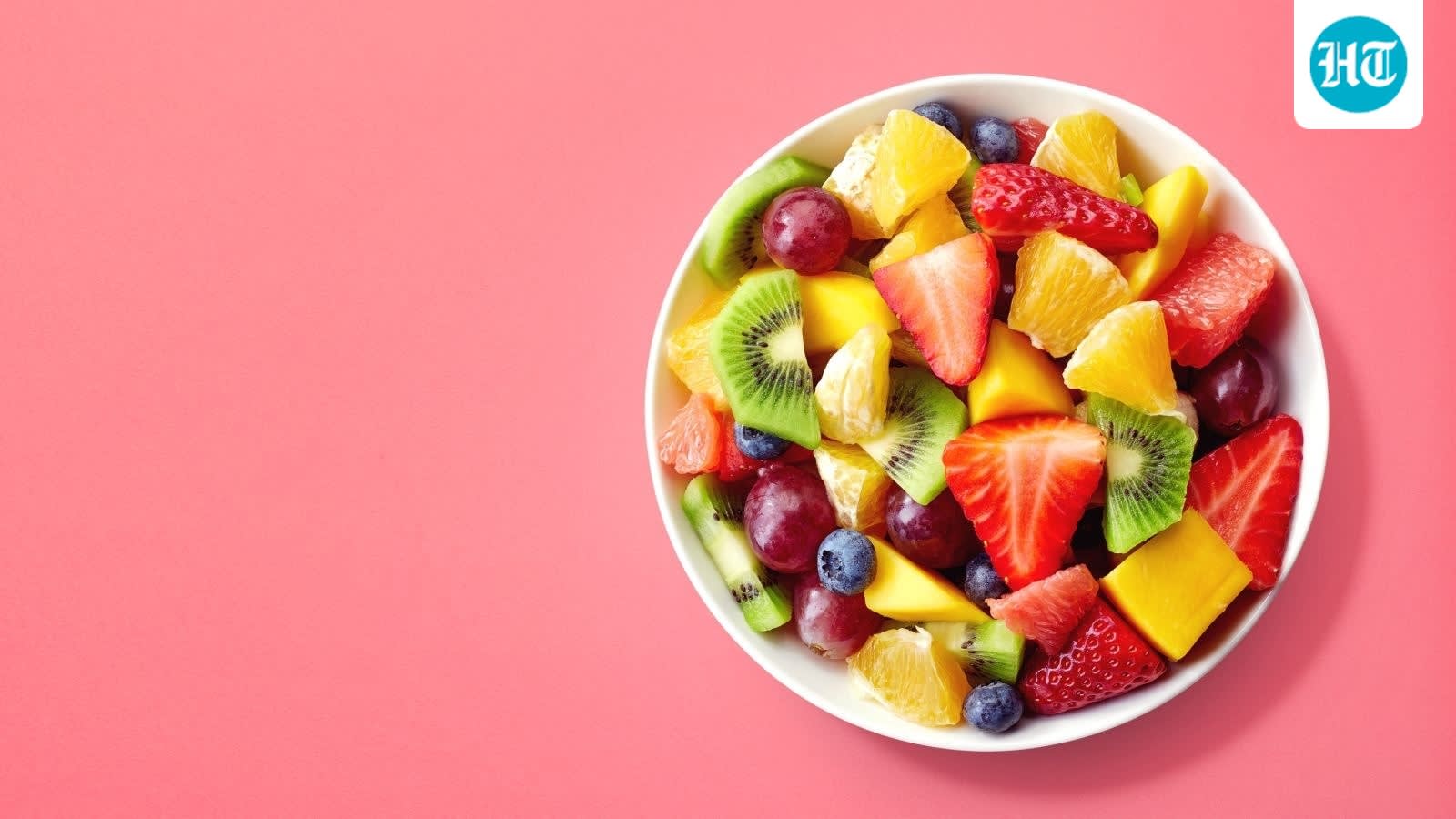
Dietician Archana Batra clarifies that while fruit combinations are generally safe, certain pairings can lead to excessive calorie intake or digestive discomfort. She emphasizes that portion control and individual tolerance are more critical to health than avoiding specific fruit mixes.
Understanding the Myths and Realities of Fruit Combining
In an era dominated by wellness trends on social media, misinformation regarding nutrition has become rampant. A common claim circulating online suggests that mixing specific fruits can lead to the formation of toxins, internal fermentation, or severe digestive distress. However, dietician Archana Batra clarifies that there is no scientific evidence to support the idea that ordinary fruit combinations become poisonous when consumed together. This expert perspective serves as a necessary corrective to the alarmist health advice often found on digital platforms.
The Nutritional Value of Fruits
It is essential to recognize that fruits are fundamental components of a balanced diet, offering a dense profile of dietary fiber, essential vitamins, minerals, and potent antioxidants. While some sensationalist claims suggest fruits are not essential, the reality is that their natural sugars, when consumed in whole-fruit form, are accompanied by fiber that regulates absorption. The core issue, as highlighted by Batra, is not the chemical reaction between two fruits, but rather the total nutritional load they contribute to a meal.
Caloric Density and Portion Control
One of the most practical concerns raised by experts is the impact of caloric density. For example, pairing high-sugar, calorie-dense fruits like bananas and mangoes can easily result in a serving that exceeds an individual's caloric requirements. When individuals combine multiple high-energy fruits, they may unintentionally consume a significant surplus of carbohydrates and calories. Managing portion sizes remains a more effective strategy for weight management and metabolic health than obsessing over the pairing of specific fruit types.
Digestive Sensitivity and Individual Tolerance
Beyond caloric intake, individual physiological responses play a significant role in how fruits are processed. While a mixture may be perfectly safe for the general population, individuals prone to acidity or gastrointestinal issues might experience discomfort when consuming certain combinations. This is typically attributed to the individual's unique digestive tolerance rather than a universal rule of food chemistry. Distinguishing between a 'toxic' reaction and a personal digestive sensitivity is crucial for maintaining a healthy relationship with food.
Navigating Modern Nutrition Advice
Ultimately, the narrative surrounding fruit consumption should shift away from restrictive 'rules' and toward mindful eating habits. By focusing on the overall carbohydrate and calorie content of a diet, individuals can enjoy a wide variety of fruits without the fear of creating 'harmful' combinations. As we look toward future trends in nutrition, the emphasis will likely continue to move away from rigid, unverified dietary myths toward personalized, evidence-based practices that prioritize long-term sustainability and metabolic health.
Verification Required?