The fiery heat of the Deccan is all grit and no garden
Source Entity
Latest News: Todays Latest News Headlines from India & World | Hindustan Times
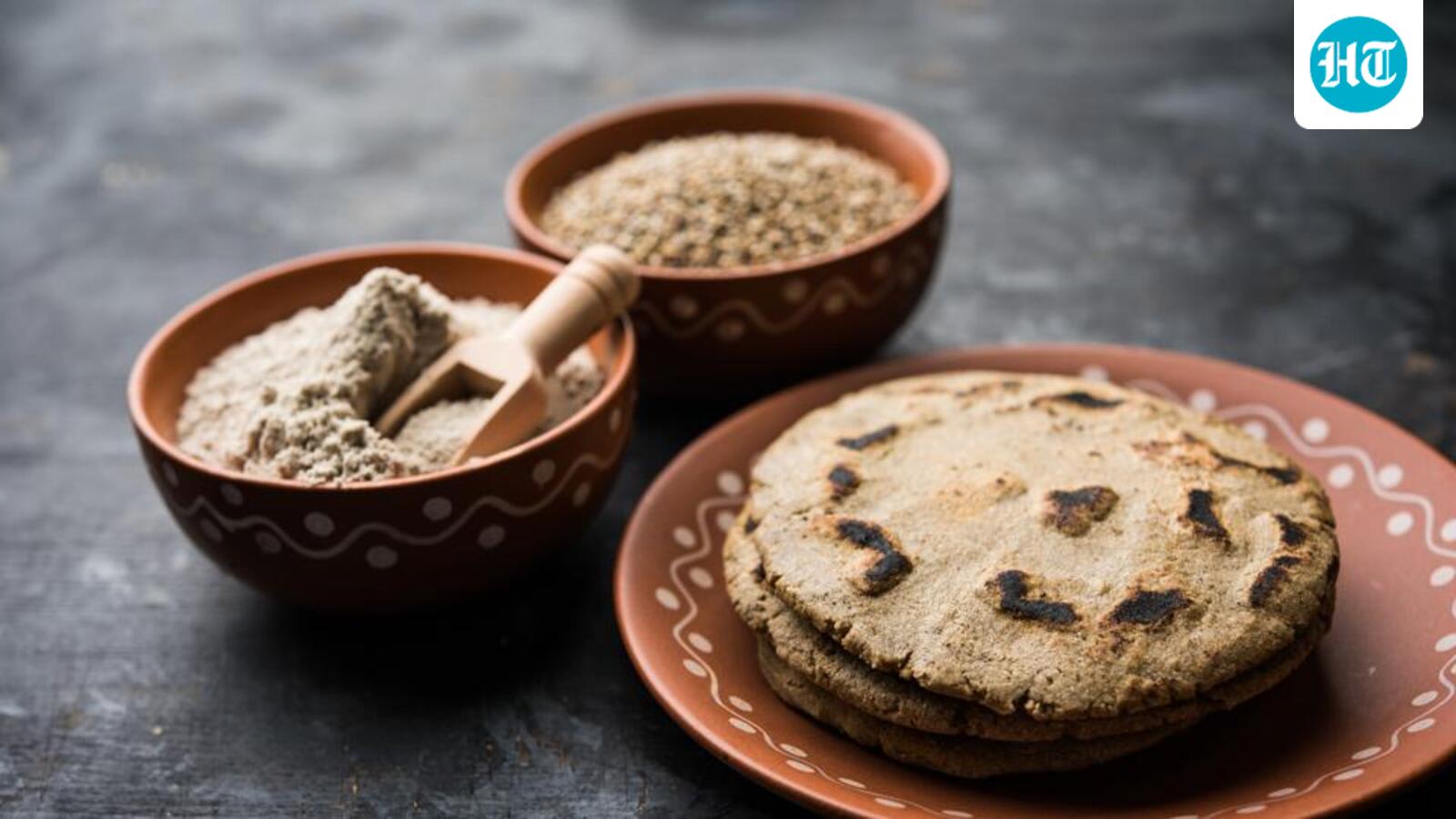
The shift toward traditional Deccan cuisine, specifically jowar-based dishes, offers a healthier alternative to modern processed diets. This nutritional approach highlights the historical and cultural significance of millets in combating India's rising diabetes rates.
The Resurgence of Traditional Deccan Cuisine
In contemporary India, the conversation surrounding nutrition has increasingly shifted toward trendy, Western-influenced fads like gluten-free diets. While these trends often aim to address the alarming rise of diabetes in the country, they frequently overlook the indigenous culinary heritage of the Deccan plateau. The traditional Jolada Rotti Oota serves as a poignant reminder that the solution to modern metabolic health issues may lie in the ancestral grains that have sustained the region for centuries.
The Nutritional Profile of the Deccan Meal
The quintessential Deccan meal, exemplified by the Jolada Rotti Oota, represents a masterclass in balanced nutrition. Unlike highly processed modern diets, this meal emphasizes whole foods and fiber-rich components. The inclusion of kosambaris—raw salads composed of grated radish, carrot, onion, cucumber, and moong dal—provides a dense concentration of essential micronutrients and plant-based protein. This combination of fresh vegetables and legumes ensures a steady glycemic response, which is crucial for managing blood sugar levels.
Sorghum: The Forgotten Superfood
The centerpiece of this traditional diet is the Jolada Rotti, a flatbread crafted from jowar (sorghum) flour. Sorghum is a climate-resilient, ancient grain that has been a staple in the Deccan region for generations. Nutritionally, it is superior to refined wheat and rice due to its lower glycemic index and high fiber content. By incorporating jowar back into the mainstream diet, there is a significant opportunity to mitigate the health risks associated with refined carbohydrate consumption, which is a primary driver of the current diabetes crisis.
Cultural Identity and Culinary Evolution
Reflecting on the culinary landscape of cities like Bangalore, one can trace a trajectory from traditional lodging houses in the Majestic area to the modern, sanitized dining experiences of today. The experience of consuming a choreographed, traditional meal in 2005 highlights a time when food was intrinsically linked to local geography and agricultural availability. As urban centers continue to expand, the preservation of these traditional eating patterns becomes essential not just for health, but for maintaining a connection to the regional identity of the Deccan.
Future Trends and Health Implications
As the medical community and public health experts in India continue to grapple with the diabetes epidemic, the shift toward 'ancient grains' is gaining traction. The future of dietary health in India likely depends on the successful integration of these traditional food systems into modern urban life. By moving away from the 'grit' of fad diets and returning to the scientifically sound nutritional profile of Deccan staples, individuals can better manage metabolic health while supporting sustainable, local agricultural practices.
Verification Required?