Deepika Padukone endorses post calling out ‘male ego, misogyny’ after Spirit controversy
Source Entity
The Indian Express
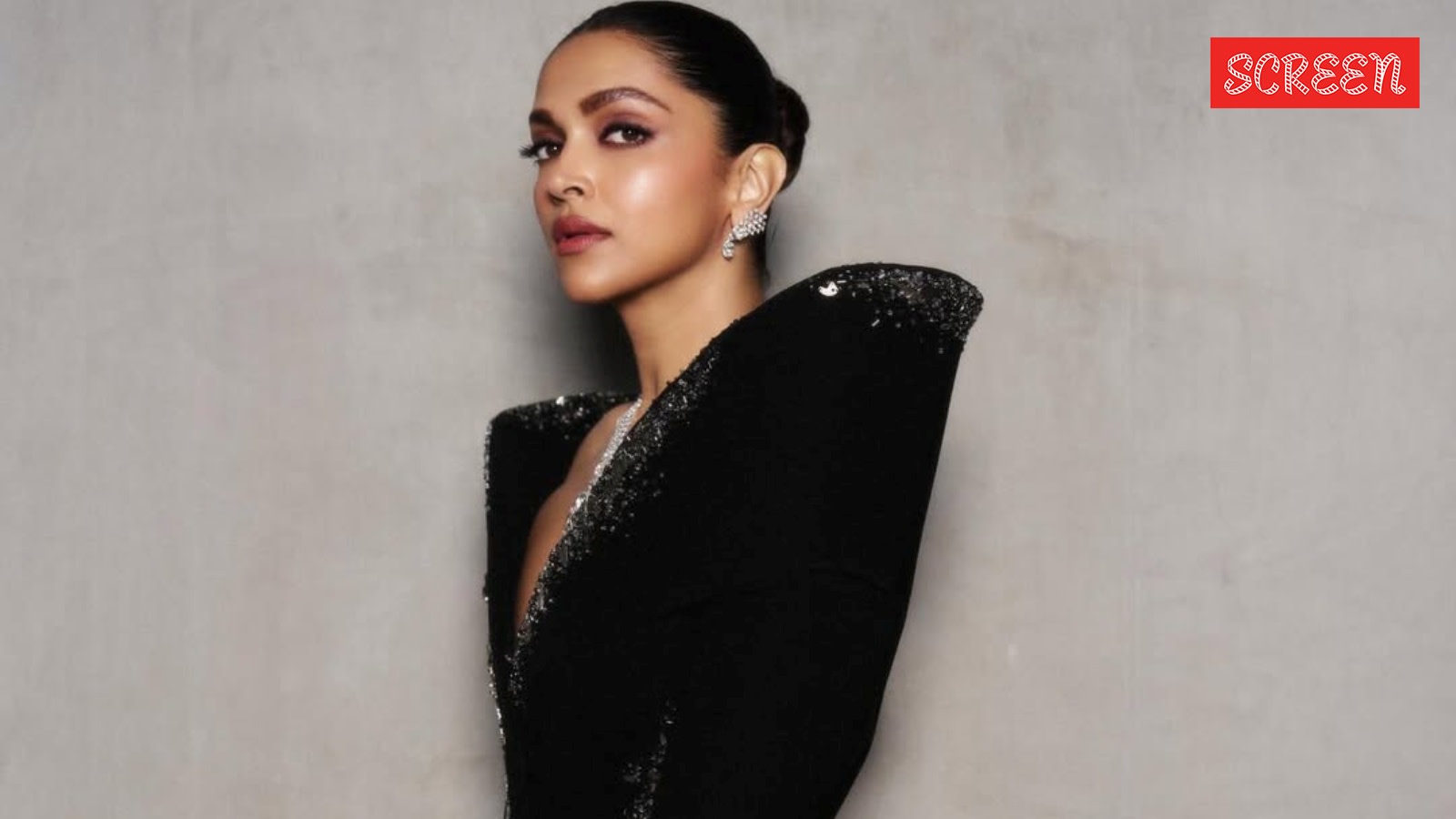
Deepika Padukone has publicly signaled her stance on the 'Spirit' casting controversy by liking an Instagram post that critiques the misogyny and male ego directed at her. This follows allegations from the director's brother regarding her negotiation demands, sparking a broader debate on gender-based double standards in Indian cinema.
The Spirit Controversy: A Clash of Narratives
The recent public discourse surrounding actor Deepika Padukone and the film Spirit, directed by Sandeep Reddy Vanga, has brought the often-opaque world of film negotiations into the spotlight. The controversy ignited when Pranay Vanga, brother of the director, alleged that Padukone had requested a 10 percent share of the film’s profits during casting discussions. This public disclosure of private negotiation details shifted the conversation from a standard casting update to a polarized debate regarding industry norms and gender dynamics.
The Digital Response
Rather than issuing a formal press release or direct confrontation, Padukone opted for a subtle yet impactful form of communication: endorsing a social media post via an Instagram 'like.' The post in question explicitly labeled the situation as a manifestation of "full-blown male-ego" and "misogyny." By engaging with this content, Padukone has effectively signaled her perspective on the narrative being spun by the filmmakers, suggesting that her professional demands were framed as being 'difficult' specifically because of her gender.
Challenging Industry Double Standards
At the heart of this conflict lies the accusation that male actors are rarely subjected to the same level of scrutiny or public character assassination when negotiating high-value contracts. The post liked by Padukone argues that requesting a share of profits—a common practice among A-list male stars—is viewed as a standard business maneuver, whereas when a female actor does the same, it is framed as an unreasonable demand. This highlights a persistent double standard within the Indian film industry where professional assertiveness in women is frequently coded as 'difficult' or 'demanding.'
The Role of Public Perception
This incident underscores how social media has become a primary battlefield for celebrity image management. In an era where production houses and actors frequently spar over narratives, a 'like' from a major star acts as a powerful, non-verbal endorsement of a specific viewpoint. It allows the actor to reclaim the narrative without engaging in a messy, direct public spat, effectively shifting the lens of the conversation from the financial dispute to the underlying cultural issues of sexism in Bollywood.
Broader Implications for Filmmaking
The fallout from the Spirit controversy reflects a growing trend of intersectional awareness in Indian entertainment. As high-profile female actors continue to push for pay parity and creative control, collisions with traditionalist power structures are becoming inevitable. The narrative that Padukone was penalized for her professional requirements serves as a case study for the friction between traditional industry power brokers and the modern push for equity. Ultimately, this episode suggests that the industry is undergoing a painful but necessary transition in how it views the professional agency of its female stars.