Deepinder Goyal defends ‘Temple’: ‘Not a scam; have spent over ₹188 crore to build the device’
Source Entity
India Latest News: Top National Headlines Today & Breaking News | The Hindu
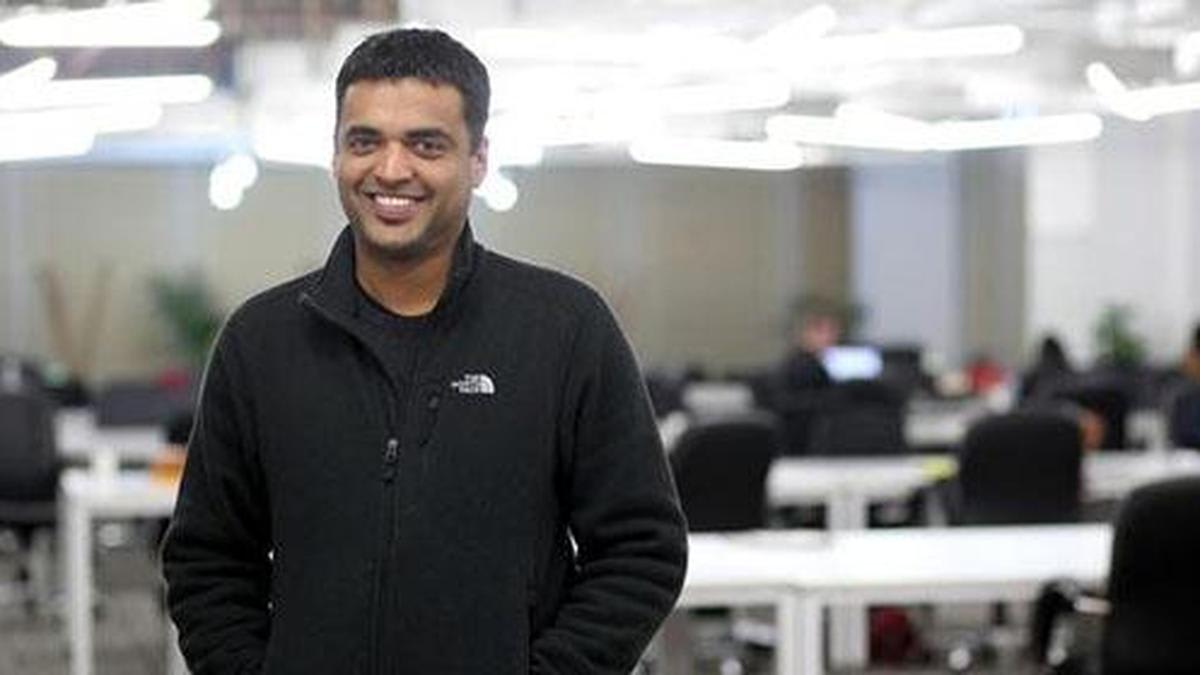
Zomato co-founder Deepinder Goyal has defended his wellness wearable 'Temple' against scam allegations. He clarified that he personally invested over ₹188 crore into the project to prioritize purpose over profit.
The Controversy Surrounding 'Temple'
Deepinder Goyal, the co-founder of Zomato, has recently found himself at the center of a public debate regarding his latest venture, the wellness wearable device known as 'Temple.' In the face of mounting skepticism and accusations from critics labeling the project a potential scam, Goyal took to the social media platform X to provide a detailed defense of the product’s development and his personal motivations.
Financial Transparency and Personal Investment
A primary point of contention addressed by Goyal was the financial viability of the project. To combat claims of fraudulent activity, the billionaire entrepreneur revealed that the company has invested a total of $30 million—approximately ₹282.55 crore—into the research and development of 'Temple.' Crucially, Goyal emphasized that $20 million of this sum, which translates to roughly ₹188.49 crore, was his own capital. By highlighting that device sales currently recover only a minor fraction of this massive expenditure, he argued that the economic model does not align with the behavior of a typical scam.
Shifting Focus: From Eternal CEO to Wellness Innovator
The narrative surrounding 'Temple' is deeply tied to Goyal’s personal career trajectory. He notably stepped down from his position as the CEO of Eternal to dedicate his time and resources fully to this wellness initiative. This transition underscores a pivot from the high-growth food delivery sector into the complex and highly scrutinized field of health-tech. Goyal’s insistence that he has "enough" money suggests that the primary driver for this venture is not short-term financial gain, but rather a pursuit of a specific technological or wellness goal.
The Role of Rigor and Professional Input
Beyond the financial ledger, Goyal has sought to validate the legitimacy of 'Temple' by highlighting the collective effort involved in its creation. He explicitly credited a team of doctors and specialized employees for their contributions to the device’s architecture. By framing the product as the result of professional medical and technical collaboration, he aims to shift the public discourse from suspicious speculation to an objective evaluation of the device’s health-tracking capabilities.
Future Implications for Health-Tech Startups
This incident serves as a significant case study for the broader health-tech landscape. As entrepreneurs move into the saturated wearable market, the demand for transparency and clinical validation becomes paramount. Goyal's public defense highlights the increasing pressure on prominent founders to justify their product roadmaps when they deviate from their core competencies. The outcome of the 'Temple' controversy may well influence how investors and consumers perceive future wellness gadgets introduced by high-profile tech figures.
Conclusion: Assessing the Path Forward
Ultimately, Deepinder Goyal’s defense is an attempt to stabilize the reputation of 'Temple' by emphasizing personal "skin in the game" and the involvement of expert personnel. Whether the device will overcome its current branding challenges depends on the tangible results it delivers to its users. For now, the narrative remains one of high-stakes experimentation, where the burden of proof rests on the company to demonstrate that its innovation provides genuine health value.
Verification Required?