‘Temple is not made for India’: Deepinder Goyal says wearable is designed for global market
Source Entity
Latest News: Todays Latest News Headlines from India & World | Hindustan Times
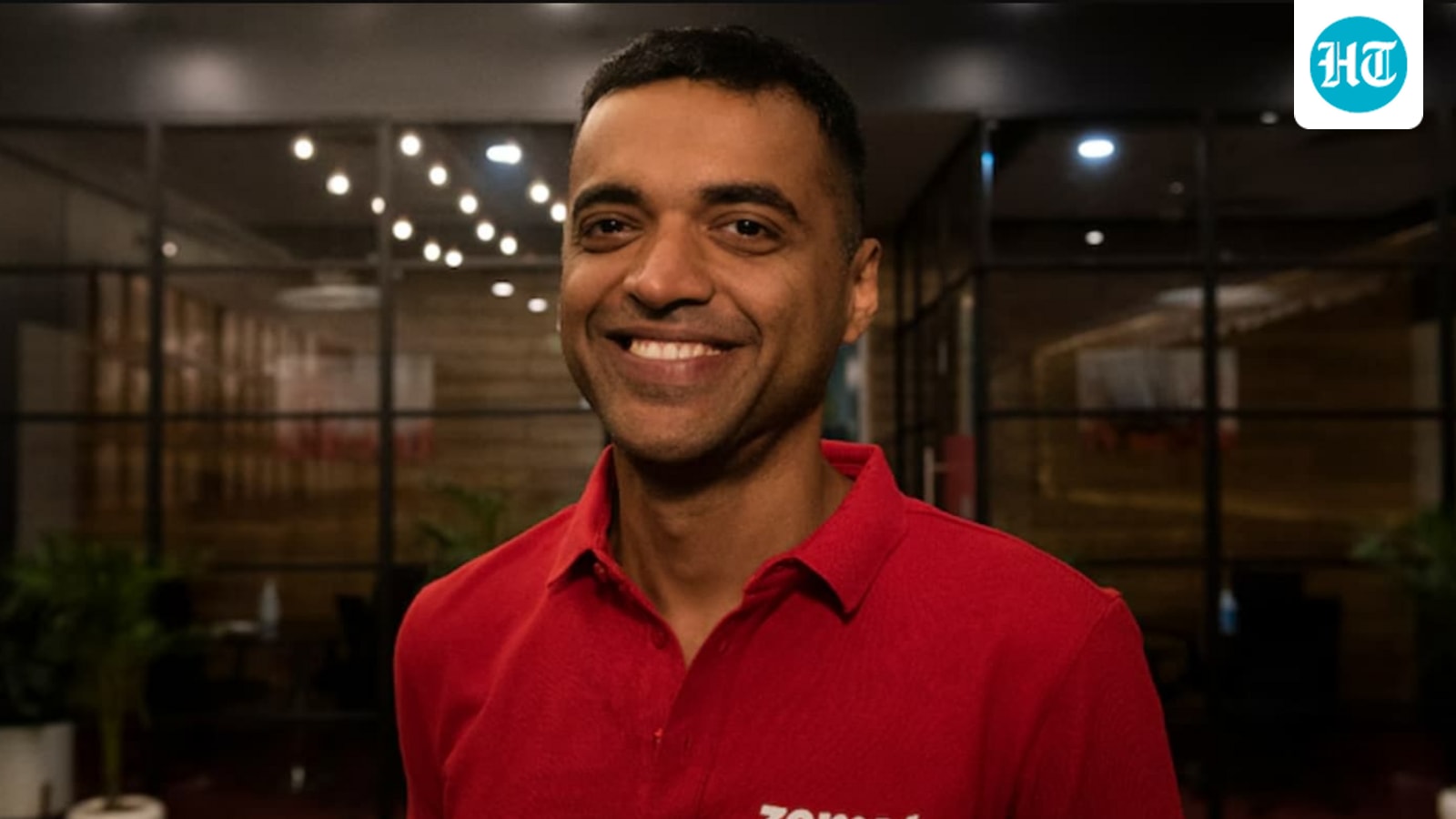
Zomato founder Deepinder Goyal has clarified that the new 'Temple' wearable is designed primarily for global markets rather than India. He addressed recent public criticism regarding the device's pricing and scientific claims following its announcement.
The Global Ambitions Behind Deepinder Goyal's 'Temple'
Deepinder Goyal, the founder of Zomato, has recently stepped into the spotlight regarding his latest venture, a wearable device dubbed 'Temple.' Following the product's announcement, the tech community and general public raised significant questions regarding its pricing strategy, the validity of its scientific claims, and its target demographic. In a direct response to this feedback, Goyal utilized the social media platform X to clarify the strategic positioning of the product, emphasizing that 'Temple' is not intended for the Indian domestic market.
Strategic Market Positioning
Goyal’s clarification serves as a pivot point for the startup’s global aspirations. By explicitly stating that India is expected to account for less than 1% of total sales, the company is signaling a shift toward more affluent, international markets. This strategy suggests that the product’s current pricing and feature set are optimized for regions where consumer spending power and health-tech adoption rates differ significantly from the Indian landscape. This move reflects a broader trend among Indian tech entrepreneurs who are increasingly looking to export hardware and SaaS solutions to the global stage rather than remaining confined to the domestic market.
Addressing Public Critique
The discourse surrounding 'Temple' has been particularly intense due to the high profile of its creator. Goyal acknowledged the wave of criticism and support that followed the launch, noting that the dialogue has provided much-needed clarity on the company's communication gaps. The skepticism regarding the device's scientific claims is a common hurdle for new entrants in the wearable health-tech space, where consumer trust is paramount. By choosing to address these concerns directly, Goyal is attempting to manage the narrative before the product gains significant international traction.
Challenges in Health-Tech Hardware
Developing a wearable device is notoriously difficult, requiring a delicate balance between aesthetic design, functional utility, and scientific validation. The backlash experienced by the 'Temple' team highlights the scrutiny that modern tech founders face when diversifying their portfolios. As the company moves forward, the primary challenge will be to translate these technical and scientific claims into tangible value for the international consumer base, which may be less familiar with the founder's brand history in the food delivery sector.
Future Trends in Wearable Innovation
Looking ahead, the case of 'Temple' underscores the growing complexity of the global health-tech market. Companies are increasingly forced to defend their data and claims in a hyper-connected, skeptical environment. If Goyal’s venture succeeds in capturing even a small fraction of the global market, it could serve as a case study for Indian startups aiming to move beyond service-based models toward high-end, global consumer hardware. The outcome of this launch will likely influence how future founders approach product transparency and international market entry strategies.
Verification Required?