The real reason DeFi projects that survived 2022 crash are shutting down now
Source Entity
Cointelegraph by Christina Comben
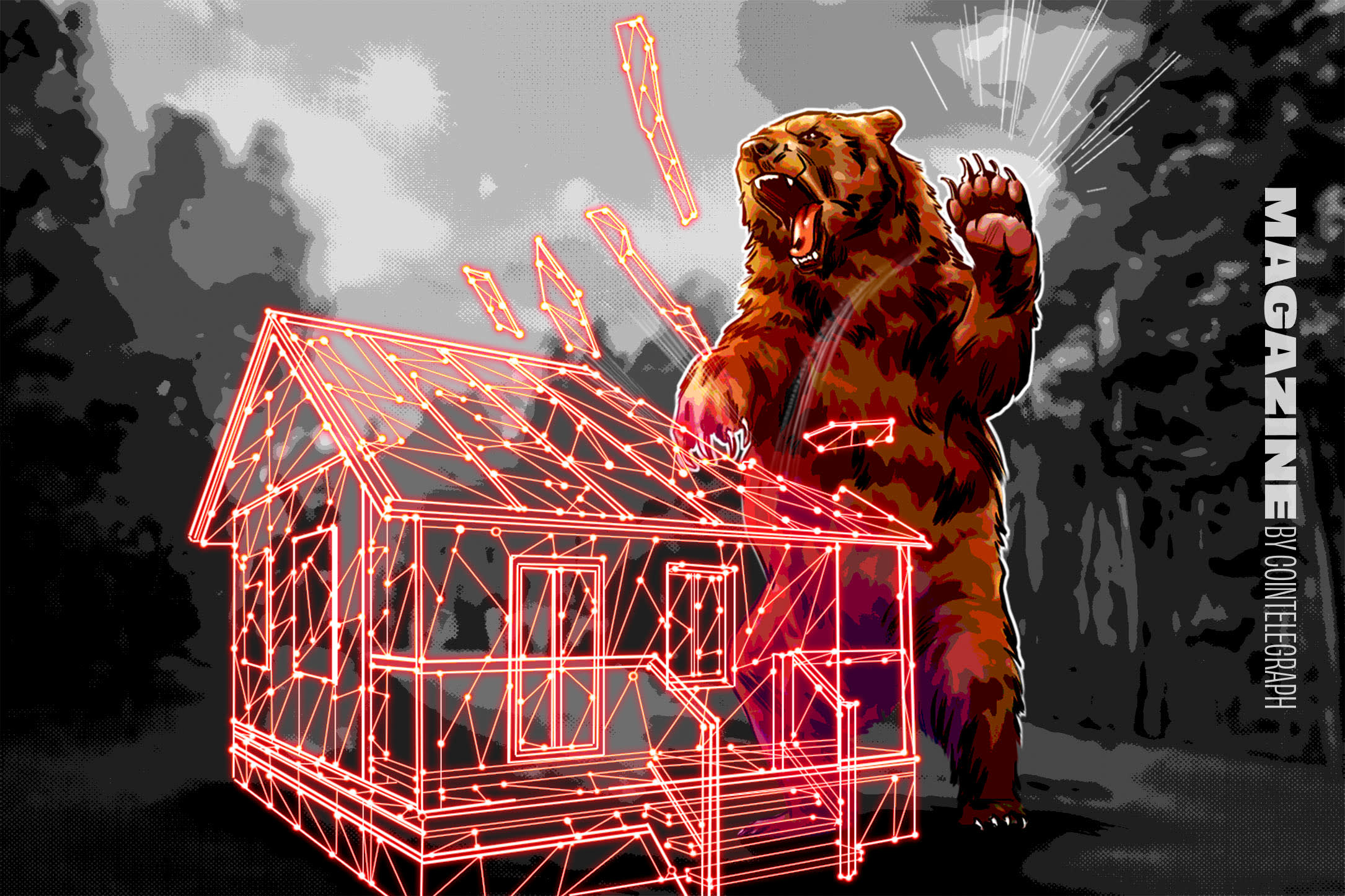
Prominent DeFi projects that weathered the 2022 crypto winter are shutting down in 2026. Analysts suggest this trend reflects a deeper structural shift rather than simple market consolidation.
The 2026 DeFi Contraction: Beyond Market Cycles
The decentralized finance (DeFi) sector is currently witnessing a paradoxical phenomenon: projects that successfully navigated the catastrophic Terra and FTX collapses of 2022 are now ceasing operations in 2026. This wave of closures, which includes established names like Zapper, Botanix, Step Finance, Parsec, and Odos Protocol, signals that the industry is facing challenges that transcend the typical volatility associated with historical market cycles.
Analyzing the Scale of the Shutdown
Data from RootData indicates that 101 crypto projects have been classified as 'dead' as of July 26, 2026, with DeFi protocols accounting for more than half of this total. This is not merely a minor correction; it represents a significant attrition rate for platforms that had previously proven their resilience by surviving the intense market pressures of 2022. The fact that these specific projects—which survived the initial industry-wide fallout—are now folding suggests the presence of underlying structural or economic pressures.
The Myth of Industry Consolidation
While market observers often point to 'consolidation' as a sign of a maturing industry, analysts are currently rejecting this narrative for the current DeFi landscape. Instead of stronger players acquiring or absorbing the technology of these closing projects, the sector is experiencing a dissipation of resources. This suggests that the value propositions of these specific DeFi tools may no longer align with current market demands or that the operational costs have become unsustainable in the current economic climate.
Historical Context and Resilience
To understand the gravity of these shutdowns, one must look at the survival of these projects during the 2022 crisis. Projects like Zapper had operated for nearly seven years, building significant user trust and infrastructure. Their inability to sustain operations into late 2026 implies that even long-standing, battle-tested protocols are finding it difficult to maintain liquidity, user engagement, or technical relevance in an increasingly competitive and evolving blockchain ecosystem.
Future Trends and Industry Outlook
As the industry moves forward, the trend of shutting down legacy DeFi projects will likely force a re-evaluation of what constitutes 'sustainability' in decentralized finance. Future developers will need to move beyond simply surviving market volatility and focus on building protocols that can adapt to changing regulatory environments and shifting user behaviors. The current 'carnage' serves as a stark reminder that longevity in the crypto space does not guarantee immunity from structural obsolescence.