Delhi’s air was already toxic before Deepavali. Here’s what a new study found
Source Entity
India Latest News: Top National Headlines Today & Breaking News | The Hindu
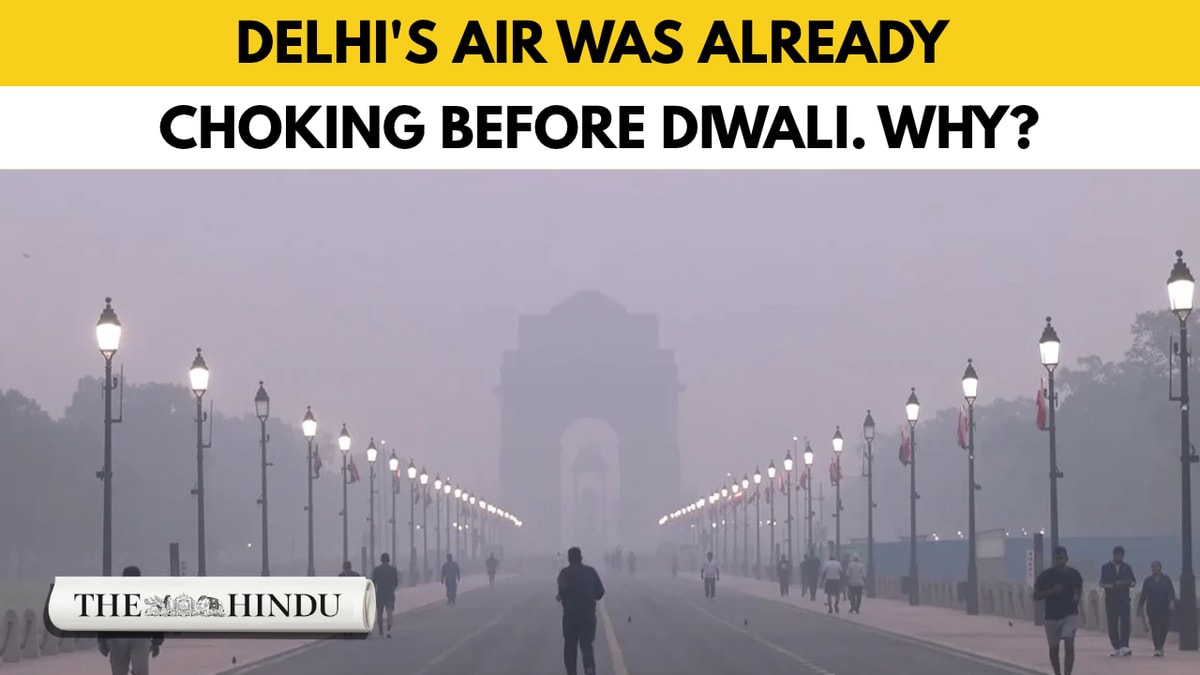
A new CSE report highlights that Delhi's air quality was at a three-year low even before Deepavali due to transport and local emissions. Simultaneously, BBC Verify discovered that missing high-level data caused official AQI figures to underreport the severity of pollution during the festival.
The Pre-Festival Air Quality Crisis
The Centre for Science and Environment (CSE) has recently unveiled a concerning analysis revealing that Delhi entered the Deepavali festival period with its worst air quality in three years. This finding is significant because it shifts the narrative away from a singular focus on festival-related activities and towards the systemic, persistent pollution sources that plague the capital year-round. While seasonal factors like meteorological shifts are often blamed, the CSE report clarifies that the crisis is deeply rooted in local emission profiles.
The Role of Local Emissions
Contrary to the common narrative that attributes Delhi’s winter smog primarily to stubble burning in neighboring states, the CSE study identifies transport emissions as the largest contributor to locally generated pollution. This revelation underscores a critical policy challenge: the need for more robust urban planning and vehicular emission controls. By identifying transport as a primary driver, the report suggests that even if agricultural fires were entirely halted, the city would still face a severe air quality crisis due to its own internal combustion footprint.
Discrepancies in Data Transparency
Adding to the gravity of the situation, a BBC Verify investigation has uncovered significant discrepancies between Indian government datasets regarding air pollution levels during Deepavali. The analysis found that hourly PM2.5 readings exceeding 1,000 micrograms per cubic metre—a level hazardous to human health—were noticeably absent from the widely cited Air Quality Index (AQI) published by the Central Pollution Control Board (CPCB). This omission suggests that the public-facing data may not accurately reflect the actual environmental conditions experienced by residents.
The Impact of Missing Metrics
When official monitoring stations fail to report the highest peaks of particulate matter, the public is deprived of a transparent understanding of the health risks posed by the air. PM2.5 particles are small enough to enter the bloodstream, causing long-term respiratory and cardiovascular damage. By capping or excluding extreme readings from the AQI, the reported figures appear lower than the reality, potentially leading to a false sense of security during periods when air quality is at its most dangerous.
Systemic Challenges and Future Implications
Delhi’s status as one of the world’s most polluted cities is a multifaceted problem requiring both immediate intervention and long-term structural reform. The convergence of the CSE's findings on local emissions and the BBC's findings on data reporting gaps points to a dual failure: one of environmental management and one of public communication. Moving forward, the city must address the reliance on private transport while ensuring that air quality monitoring systems are robust enough to capture and report all data points, regardless of how extreme the readings become.
Conclusion
In summary, the recent revelations highlight that Delhi's air crisis is neither sudden nor purely seasonal. The combination of high baseline pollution from transport and the masking of peak pollution levels during festivals creates a dangerous environment for millions. Moving toward a cleaner future will require not only aggressive policy action on local emissions but also a commitment to total transparency in environmental data reporting.
Verification Required?