Delhi Air Quality Drops Back To 'Very Poor' Category, AQI At 313
Source Entity
NDTV News Search Records Found 1000
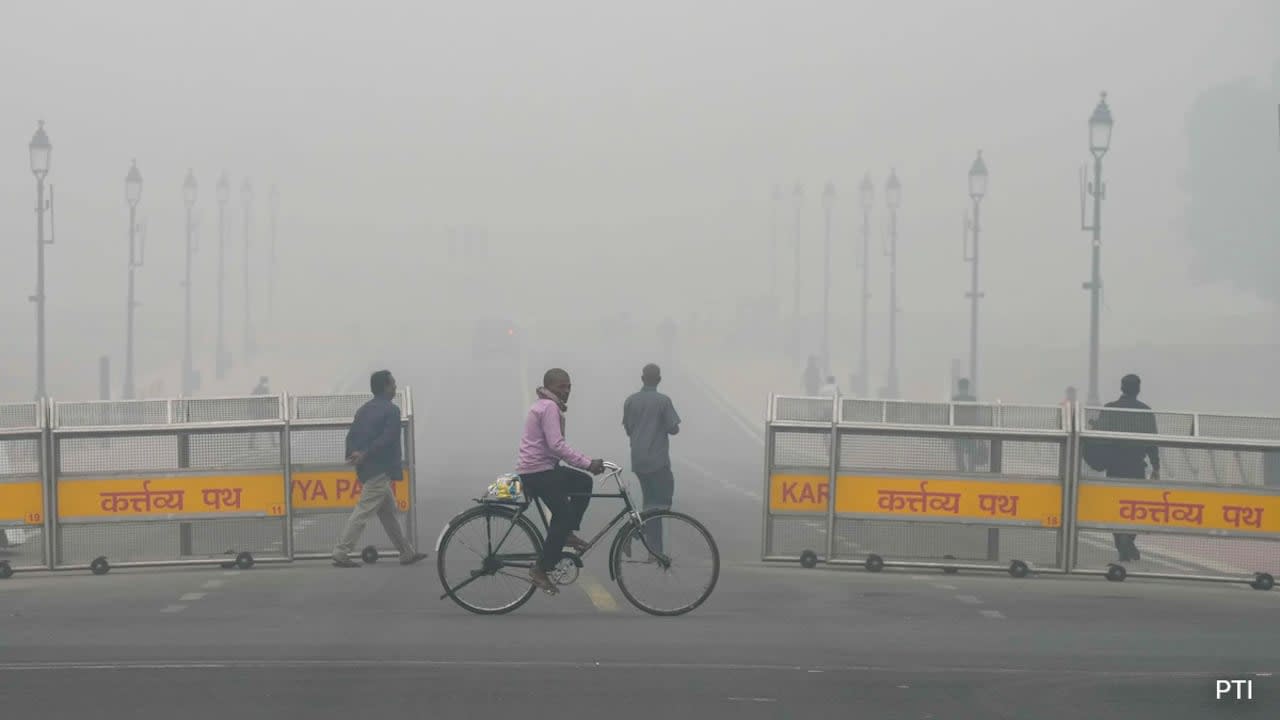
Delhi's air quality has slipped into the 'Very Poor' category as the AQI climbed to 313. This deterioration highlights the persistent struggle with seasonal pollution levels in the national capital.
Delhi Air Quality Declines: A Return to 'Very Poor' Conditions
Delhi’s environmental health has once again come under scrutiny as the city's Air Quality Index (AQI) worsened from 299 on Tuesday to 313 on Wednesday. This shift, moving the air quality status back into the 'Very Poor' category, serves as a stark reminder of the fragile state of the capital's atmosphere. Such fluctuations are indicative of the complex interplay between local emission sources and meteorological conditions that consistently plague the region during this time of year.
Understanding the AQI Shift
An AQI reading of 313 is classified under the 'Very Poor' category, which warns of potential respiratory distress for the general population upon prolonged exposure, and significantly heightened risks for sensitive groups. The movement from 299—which sits on the threshold of 'Poor'—to 313 signifies a tangible increase in the concentration of particulate matter (PM2.5 and PM10) within the city's air column. This rapid deterioration underscores how quickly air quality can oscillate based on wind speed, temperature, and local pollution contributions.
The Anatomy of Seasonal Pollution
Historical data suggests that Delhi faces recurrent air quality crises due to a combination of geographical entrapment and seasonal activities. The transition of air quality back to 'Very Poor' is often exacerbated by stagnant wind conditions that prevent the dispersion of pollutants. As the city enters this phase, the concentration of pollutants tends to linger, creating a hazardous environment that necessitates heightened monitoring and potential public health advisories.
Broader Implications for Public Health
When the AQI reaches the 300-400 range, medical experts typically advise limiting outdoor physical activity, particularly for children, the elderly, and those with pre-existing cardiovascular or respiratory conditions. The current trend suggests that the city is struggling to maintain even moderate air quality levels, which has long-term implications for the health of millions of residents. The persistence of these 'Very Poor' levels reflects a structural challenge in managing urban pollution in a densely populated metropolitan area.
Future Trends and Policy Challenges
Predicting the trajectory of Delhi's air quality remains difficult, but current data points toward a period of instability. If the AQI continues to hover in the 300s or climbs higher, it may trigger the implementation of emergency response measures, such as restrictions on construction or vehicle usage. Policy makers are consistently pressured to address these spikes, yet the recurrence of such numbers suggests that systemic solutions are still struggling to keep pace with the environmental demands of the capital.
Conclusion
The rise in Delhi's AQI to 313 is a concerning development that underscores the persistent nature of the capital's pollution challenges. As the city grapples with this return to 'Very Poor' air, the focus must remain on mitigating pollution sources and closely monitoring meteorological shifts that exacerbate these conditions to protect public health.
Verification Required?