'Symbol of filth': Delhi BJP MLA on 30-ft 'cockroach' effigy to be burnt alongside Ravan
Source Entity
PRIYANKA JAISWAL
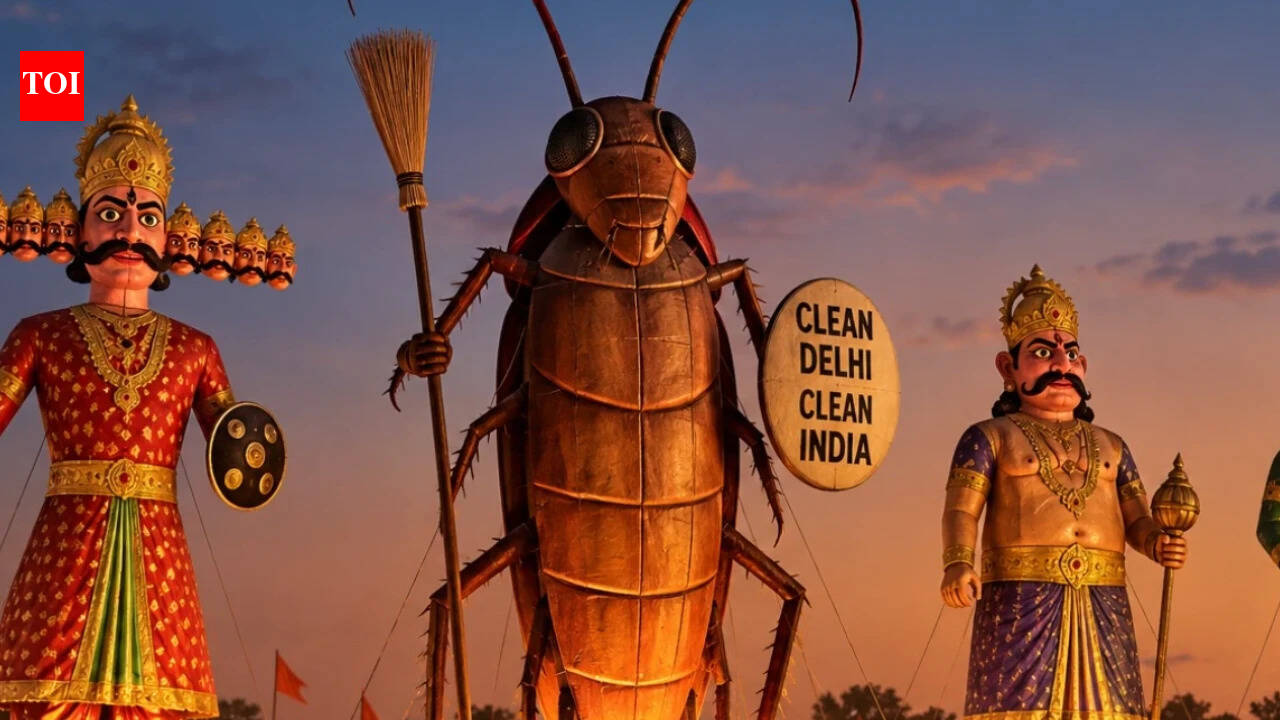
A Delhi BJP MLA has commissioned a 30-foot cockroach effigy to be burned alongside Ravan during Dussehra. The act serves as a symbolic protest against the city's ongoing sanitation and waste management issues.
A Symbolic Protest Against Urban Decay
The decision by a Delhi BJP MLA to include a 30-foot 'cockroach' effigy alongside the traditional Ravan effigies during Dussehra celebrations marks a unique intersection of cultural tradition and political dissent. By labeling the effigy a 'symbol of filth,' the legislator is utilizing the visibility of the festival to draw public attention to the persistent sanitation crises facing the national capital. This act transforms a religious event into a stage for civic advocacy, highlighting the frustration surrounding waste management and urban hygiene.
The Intersection of Tradition and Civic Commentary
Historically, the burning of Ravan effigies symbolizes the victory of good over evil. By introducing a cockroach—a creature synonymous with disease and poor sanitation—the MLA is attempting to reframe the concept of 'evil' to include modern-day civic failures. This creative protest tactic aims to resonate with citizens who have long been critical of Delhi's municipal cleanliness standards, effectively weaponizing symbolism to hold local governance accountable.
Addressing the Sanitation Crisis
Delhi has long struggled with complex waste management issues, ranging from overflowing landfills to inadequate street cleaning services. The choice of a cockroach is particularly poignant, as it represents the tangible consequences of neglect: pest infestation, public health risks, and a decline in the quality of life. This narrative shift from abstract political discourse to a visceral, visual representation of 'filth' forces local authorities to confront the issue in a public forum that is impossible to ignore.
Political Implications and Public Sentiment
This move serves as a strategic maneuver within the competitive political landscape of Delhi. By highlighting the 'filth' of the city, the BJP is positioning itself as a critic of the ruling administration's sanitation policies. This type of protest is designed to stir public debate and mobilize voters who are dissatisfied with the current state of urban infrastructure, turning a festive occasion into a platform for political critique.
Future Trends in Protest Art
The use of large-scale, thematic effigies could signal a shift in how political grievances are expressed in India. As traditional methods of protest face increasing scrutiny, utilizing cultural festivals to convey political messages allows for high visibility and broad engagement. If this strategy proves successful in capturing public attention and keeping the sanitation issue at the forefront of the political conversation, we may see more political actors adopting similar performative protest art in future public gatherings.
Conclusion
Ultimately, the burning of the 30-foot cockroach is more than just a theatrical gesture; it is a calculated effort to highlight the urgent need for better urban management in Delhi. By aligning a modern civic grievance with an ancient tradition, the MLA has ensured that the conversation surrounding the city's sanitation remains active, ensuring that the 'symbol of filth' serves as a lasting reminder of the work that remains to be done.