3 Delhi BJP MPs Visit Sajjan Kumar's House. Then Party Chief's Big Action
Source Entity
NDTV News Search Records Found 1000
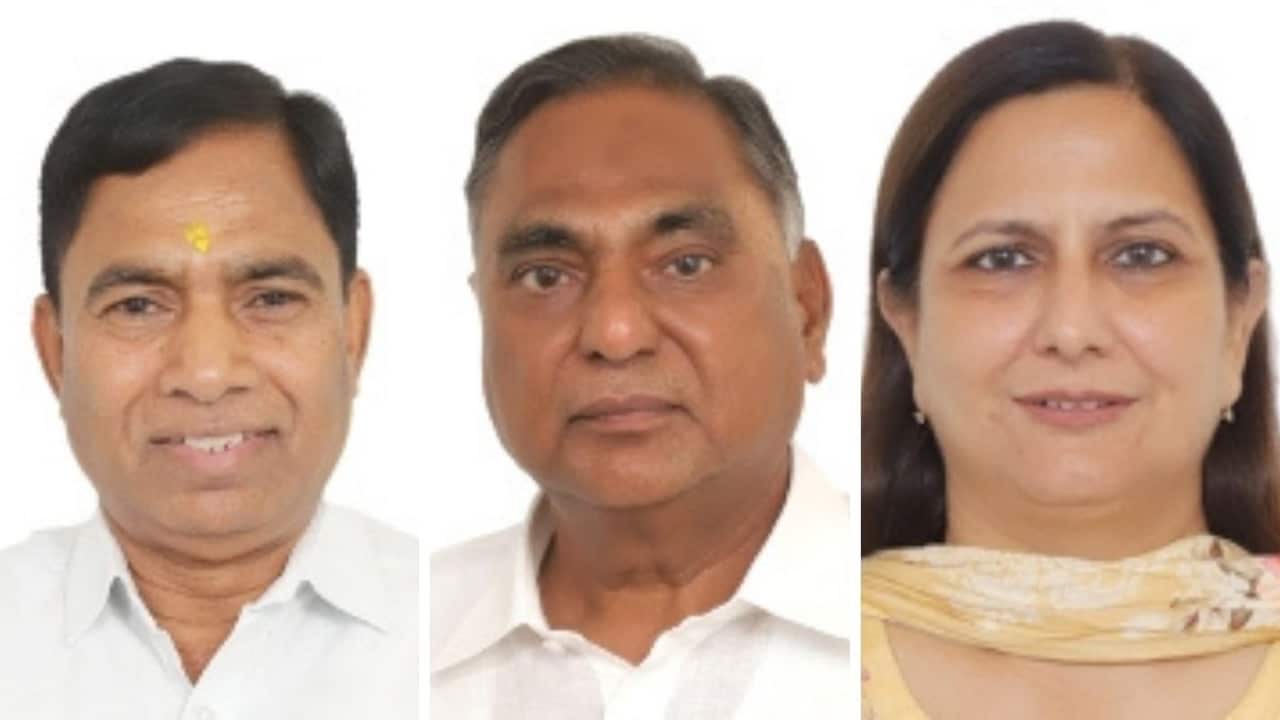
Delhi BJP leadership has summoned three party MPs following their controversial visit to the residence of Sajjan Kumar. The Aam Aadmi Party has seized on the incident, questioning if the BJP will take disciplinary action for the perceived slight against the Sikh community.
Political Fallout: BJP MPs Under Scrutiny After Sajjan Kumar Visit
Recent political developments in Delhi have ignited a firestorm as three Bharatiya Janata Party (BJP) Members of Parliament faced immediate reprimand after visiting the residence of Sajjan Kumar. The visit, which has drawn sharp criticism from political opponents, prompted BJP state chief Nitin Nabin to summon the three lawmakers to explain their actions. This incident has placed the Delhi BJP unit in a precarious position, forcing the leadership to address internal discipline while managing public perception.
The Historical Weight of the Controversy
The sensitivity surrounding Sajjan Kumar stems from his historical and legal association with the 1984 anti-Sikh riots. Given the deep-seated trauma and political significance of these events within the Sikh community, any perceived normalization or association with figures linked to these riots is viewed with extreme hostility. By visiting his home, the three BJP MPs have inadvertently reopened a sensitive chapter of Delhi's political history, creating a vulnerability that political rivals were quick to exploit.
AAP's Strategic Response
The Aam Aadmi Party (AAP) has leveraged this incident to challenge the BJP's ideological consistency. By publicly questioning the BJP leadership—specifically asking, "Will you suspend them for backstabbing Sikhs?"—the AAP is framing the visit as a betrayal of the sentiments of the Sikh community. This rhetoric is designed to put the BJP on the defensive, forcing them to choose between protecting their own MPs and maintaining their stated political stance regarding historical justice and communal sensitivity.
Internal Party Dynamics and Discipline
BJP chief Nitin Nabin’s decision to summon the MPs highlights the party's internal mechanism for enforcing discipline and managing optics. In high-stakes political environments like Delhi, image management is crucial, and the leadership clearly views this unsanctioned visit as a liability. By pulling up the MPs, Nabin is attempting to contain the damage and signal to the electorate that the party does not condone actions that contradict its broader political narrative.
Broader Political Implications
This incident serves as a reminder of how quickly local political optics can escalate into significant controversies. The incident underscores the perpetual tension between individual actions of elected representatives and the centralized messaging of national parties. As the political discourse in the capital remains highly polarized, the party’s ability to handle such internal dissent and reputational risks will be critical in shaping their standing among specific voter demographics.
Conclusion and Future Outlook
The aftermath of this visit will likely depend on the explanation provided by the MPs and the subsequent disciplinary measures taken by the BJP. Whether the party chooses to issue a formal warning, suspend the individuals, or accept an apology will dictate how this story evolves. Moving forward, this event serves as a cautionary tale for political figures regarding the importance of historical context and the potential for seemingly private meetings to trigger widespread public and political backlash.
Verification Required?